Learn safe and effective methods to close off a chimney permanently. Protect your home and improve energy efficiency.
If your chimney is not in use, leaving it open can do more harm than good. Drafts, rain, moisture, and even small animals can get in, causing costly repairs and safety hazards. Closing off a chimney is a practical solution for energy efficiency and home protection. But before you do so, you need to consider the right way to do it for safety and compliance with local building codes.
Why Close Off a Chimney?
An open chimney is a major heat loss, letting warm air out in winter and cold air in. This makes your heating system work harder and your energy bills higher. Another reason to close off a chimney is to prevent moisture buildup. Rain and snow entering an open chimney can cause mold, mildew and structural damage. There’s also the risk of carbon monoxide buildup from faulty ventilation. Birds, squirrels, and insects get in and create a mess and lead to unwanted infestations. By closing the chimney, you eliminate all these issues and improve your home’s overall efficiency and safety.
What to Consider Before Closing a Chimney
Before you close your chimney, make sure your home is well-ventilated. Poor ventilation can cause stale air and even carbon monoxide buildup. It’s also a good idea to inspect the old chimney for any existing damage or needed repairs before you close it permanently. Depending on your situation, you might want to consider alternative solutions, like installing a chimney cap instead of closing it off completely. Most importantly, always check local building codes and regulations to make sure you comply. Some areas require specific ventilation for unused chimneys.
Steps to Prepare the Chimney for Closing
The first step is to inspect the chimney. Check for cracks, gaps, and other damage that needs to be repaired. Remove any debris, nests, or obstructions that will interfere with closing. Next is a deep clean. Sweep the walls and chimney to remove soot and creosote buildup to prevent fire hazards. Once clean, assess if repairs are needed before you proceed. If the chimney pot and flue are in bad condition, they may need maintenance or replacement to ensure a secure close.
How to Close a Chimney
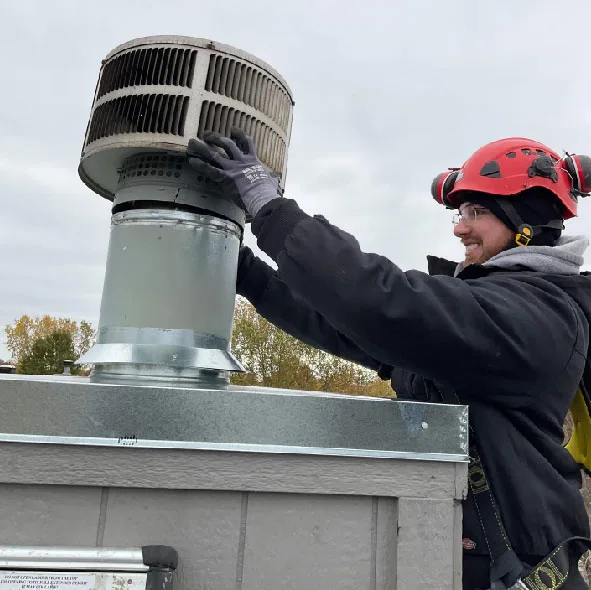
One of the easiest ways to close a chimney is by installing a chimney cap. A stainless steel or aluminum cap keeps out water, animals and debris while still allowing ventilation. If you prefer a more airtight solution, closing the chimney with a breathable sealant is another option. A good close prevents air leaks and moisture buildup inside the structure. Inside the home, blocking the fireplace opening is just as important. Using a fireplace plug or insert keeps warm air in the room and out of drafts. Proper fitting of these makes a big difference in energy efficiency.
Safety and Compliance
A poorly sealed chimney can be a serious hazard. Without enough air and proper ventilation, carbon monoxide can build up in the home and put occupants at risk. Installing a carbon monoxide detector adds an extra layer of safety. Fire hazards are another concern; if creosote residue is left inside a partially sealed chimney, it can still ignite. That’s why a good cleaning before closing is so important. Always follow local building codes and regulations when closing a chimney. Some areas may require inspections or permits, so consult a professional to make sure everything is done correctly and safely.
Post Closing Maintenance and Inspection
Even after you close off a chimney, regular inspections are still necessary to ensure it remains sealed and secure. Over time, weather and natural settling can cause cracks or gaps that need attention. Check the chimney cap and sealant periodically to prevent leaks and deterioration. If any issues arise, address them immediately to prevent bigger problems later. Keeping up with maintenance will keep your home energy-efficient and safe for years to come.
Can I Close Off My Chimney?
If you’re unsure about closing your chimney permanently, consider installing a chimney cap instead. A well-fitted cap will keep out water, debris, and animals while still allowing some ventilation. Regular maintenance, such as sweeping and minor repairs, can also keep an unused chimney in good condition without completely closing it.
FAQs
Q. How do you permanently block a chimney?
You can permanently block a chimney by sealing both the top and the fireplace opening. This involves installing a chimney cap to prevent water and debris entry and using a fireplace plug or airtight insert to block the opening inside your home.
Q. How to permanently seal off a chimney?
To permanently seal a chimney, clean and inspect it first. Then, install a weatherproof chimney cap and use a breathable sealant to close off the flue. Inside, use insulation and a fireplace plug to prevent heat loss and air leaks.
Q. How do you permanently cap off a chimney?
Choose a durable chimney cap, such as stainless steel or aluminum, and secure it over the flue. Ensure it allows some ventilation to prevent condensation while effectively blocking moisture, animals, and debris.
Q. How do you permanently close a chimney from the inside?
Use a fireplace plug, rigid insulation, or a properly fitted panel to block the fireplace opening. Seal around the edges with a heat-resistant material to prevent drafts and improve energy efficiency.
Q. Will closing my chimney really reduce my energy bills?
In most homes, yes. An open or poorly sealed chimney acts like an open window, allowing heated or cooled air to escape year-round.
Q. Do unused chimneys still need ventilation?
Yes. Completely airtight closures can trap moisture and cause mold or masonry damage. A breathable or vented solution is often recommended.
Q. Is it better to close a chimney from the top or the bottom?
Best practice is to secure both. The top keeps out weather and animals, while the inside seal stops heat loss and drafts.
Q. Is closing the damper enough?
No. Dampers are not airtight and still allow drafts, moisture, and heat loss. Additional sealing is usually necessary.
Q. What type of closure is best for long-term use?
Breathable and reversible solutions are often preferred, as they prevent moisture buildup while allowing future use if needed.
Q. Is a chimney cap enough instead of fully closing it?
In some cases, yes. A chimney cap offers protection while maintaining ventilation, making it a good alternative to full closure.
Q. What is the first step before closing a chimney?
The first step is always a thorough inspection. Check for cracks, loose bricks, damaged liners, or water leaks that could cause problems if sealed improperly.
Q. How do I check for creosote buildup before sealing?
Use a visual inspection or chimney camera to identify any creosote deposits. A deep clean is recommended if significant buildup is present.
Q. What materials are used to close a chimney?
Common materials include stainless steel or aluminum chimney caps, breathable sealants, rigid insulation, fireplace plugs, and fitted panels.
Q. How do I block the fireplace opening inside my home?
You can use a fireplace plug, insulated panel, or airtight insert. Seal edges with heat-resistant material for energy efficiency and draft prevention.
Q. How do I ensure proper ventilation when closing a chimney?
Use a breathable sealant, vented chimney cap, or small vent opening to prevent condensation, mold, and stale air while keeping the chimney closed.
Q. How long does it take to close a chimney properly?
Simple closures may take a few hours. More extensive permanent sealing or repairs may take a day or more.
Q. How often should a closed chimney be inspected?
Even a sealed chimney should be checked at least once a year to ensure caps, sealants, and plugs remain secure and free of damage or leaks.
Q. What safety checks should be done before closing a chimney?
The chimney should be inspected for cracks, liner damage, blockages, creosote buildup, and moisture issues before sealing.
Q. What problems can develop after a chimney is closed?
Common issues include cracked sealants, loose chimney caps, moisture intrusion, condensation, and masonry deterioration.
Conclusion
Closing a chimney permanently is a great way to make your home safer, more efficient and more comfortable. But you have to do it right—proper ventilation, address repairs and follow local regulations. Whether you choose to close it all or opt for a chimney cap, regular maintenance and inspections will keep your home safe and secure. If you’re thinking of closing your chimney, contact GMT Home Services today for professional advice and solutions!