When it comes to chimney leaks, most people don’t realize how fast a little drip of chimney water can turn into major damage inside your house. Water has a way of seeping through bricks, mortar joints, flashing, shingles, and crowns, creating stains on the ceiling, mold in the attic or basement, and even rust in the firebox.
At GMT Home Services, we bring more than a decade of hands-on experience, serving over 3,000 families across Connecticut. Our team is CSIA-certified and follows NFPA safety standards, so every chimney repair and inspection is completed with precision, professionalism, and care.
Why Chimneys Leak: The Role of the Chimney Cap
A leaking chimney isn’t always obvious until it’s too late. Our technicians carefully inspect your chimney crown, flashing, mortar, and brick surface to find the exact source of the leak. Common causes include:
- Cracks in masonry chimneys that absorb rain, snow, and moisture
- Loose or rusted flashing where the chimney meets the roof slope
- Broken chimney crown or missing cap that lets debris, wind-driven rain, and snow enter
- Blocked flue tile or holes in the liner allowing condensation and smoke damage
Improper sealant or poorly installed materials along the uphill side of the chimney, while Wind and storms that drive water under shingles, around edges, and inside the masonry
Each chimney leak is different, which is why we don’t guess—we verify the source with careful testing (sometimes even with a garden hose simulation) before recommending repairs.
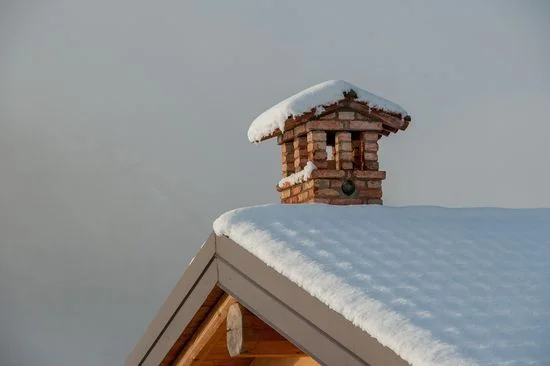
Warning Signs You Need Chimney Leak Repair
Most homeowners call us after spotting damage inside their home. Look out for:
- Yellow-brown stains on ceilings or walls near the chimney
- Musty odors or damp smells from the fireplace or basement
- Rust on the damper, firebox, or other metal components
- White powdery residue (efflorescence) on exterior bricks
- Dripping water or visible cracks in the crown
- Bubbling paint or peeling wallpaper near the chimney
If you notice these, don’t wait—fixing leaks early prevents expensive repairing and waterproofing later.
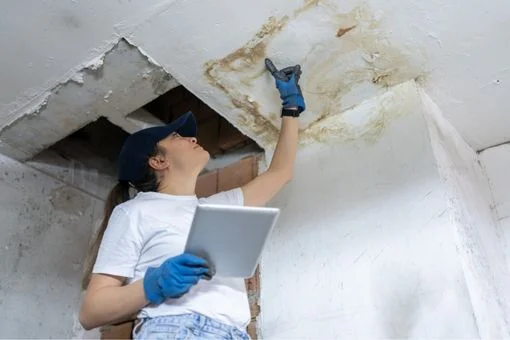
Why is My Chimney Leaking?
Water stains on your ceiling or a damp fireplace? Most homeowners don’t realize chimney leaks often start with small cracks in the crown or loose flashing. Left untreated, it can spread to your roof, attic, and walls. Our CSIA-certified experts quickly find and fix the source—before it causes bigger damage.
What Chimney Water Damage Can Do to Your Home
Unchecked chimney leaking can cause problems that spread beyond the chimney itself:
- Weakening of masonry and mortar
- Roof leaks damaging shingles, sheathing, and framing
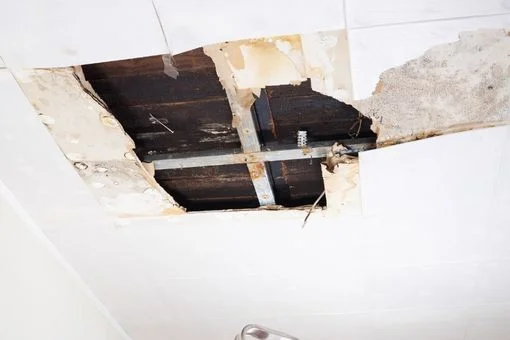
- Interior water damage to ceilings, walls, doors, and floors
- Condensation, mold, and moisture problems in the attic and basement
- Rust and deterioration of fireplace parts, flue tiles, and dampers
- Larger holes, cracks, and gaps requiring major rebuilding
Water doesn’t just stay put—it spreads, pools, and creates hidden dangers throughout your home.
Our Professional Chimney Leak Repair Services
At GMT Home Services, we don’t just patch—we fix leaks at their source with durable solutions designed to protect the entire chimney system. Our services include:
- Chimney crown repair, sealing, and replacement with a flexible masonry coat where needed
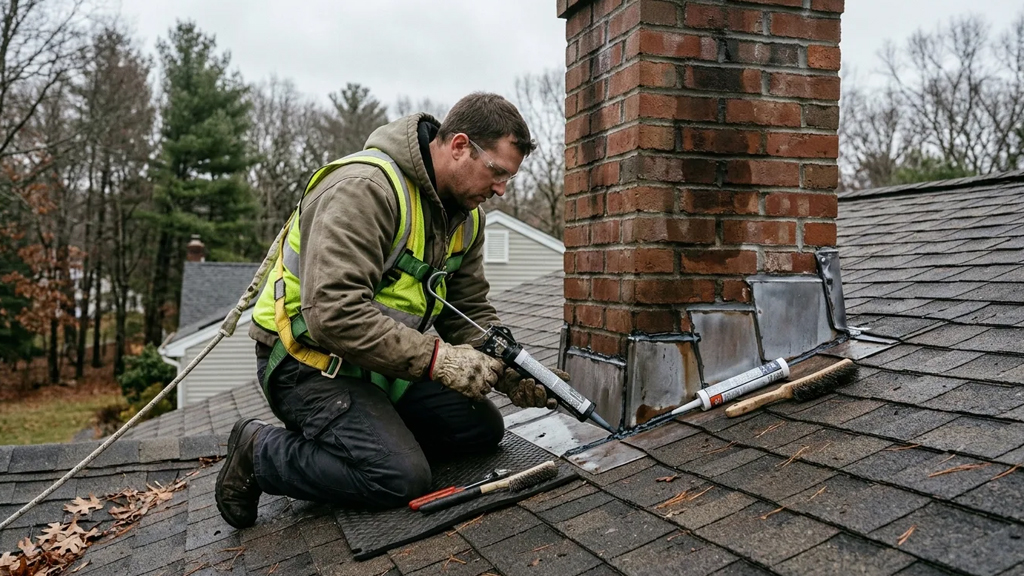
- roof flashing inspection, repair, and installation to seal the gap at the roofline
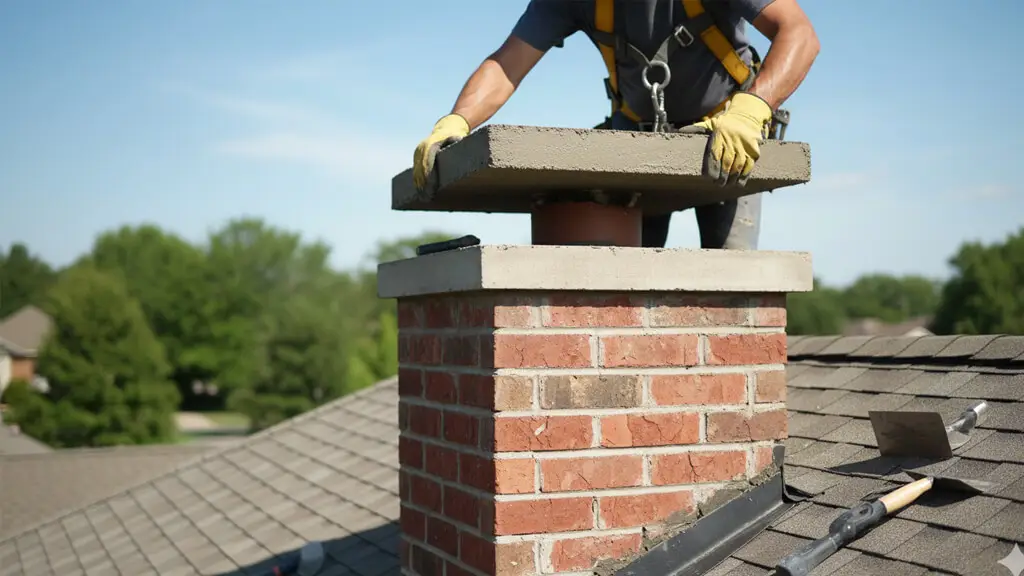
- Chimney cap installation and installing a properly fitted chimney cover or chase cover for a prefabricated fireplace
- Brick repointing and mortar joint sealing to address common chimney problems
- Masonry waterproofing with the right breathable material for long-term protection
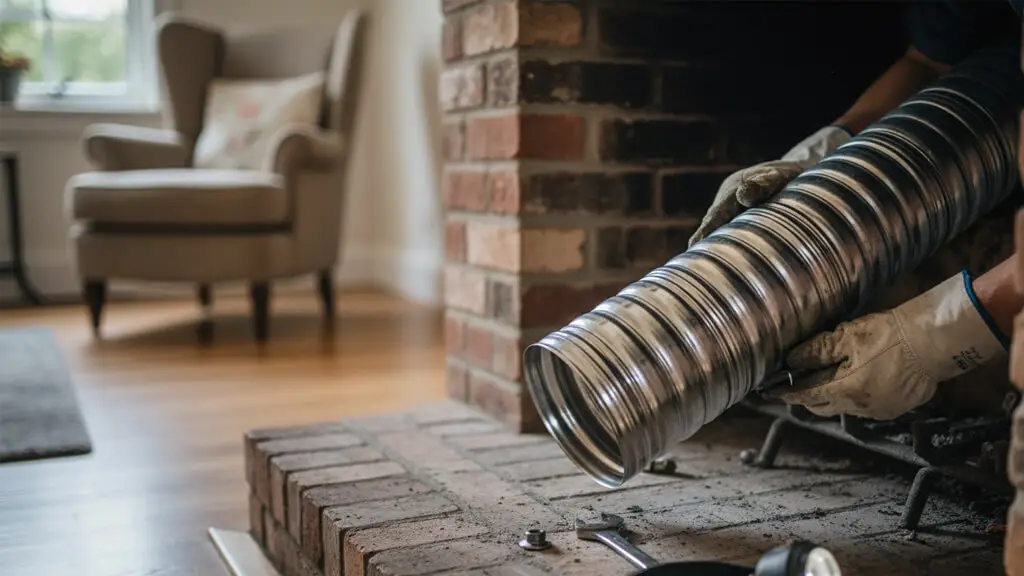
- Flue tile inspection, replacement, or relining to help determine whether leaks have reached the liner
- Roof-edge leak prevention around chimneys and slopes, including work coordinated with roofers when needed
We use cement-based crowns, weather-resistant sealants, and waterproofing materials installed carefully to withstand New England rain, snow, wind, and ice. Our team checks how water may travel behind nearby siding and makes sure each cover does its job. Every repair is done with precision, because even a small amount of moisture can spread through heat cycles and create hidden damage.
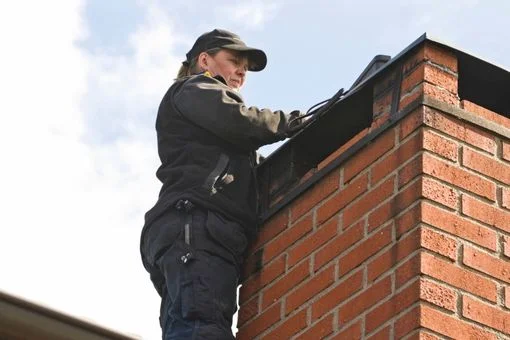
Why Homeowners Choose GMT Home Services
- CSIA Certified technicians & NFPA-compliant inspections
- 14+ years of proven expertise in chimney repair and leak prevention
- Trusted by 3,000+ families across Connecticut, MA, and RI
- Local experts who know the unique challenges of Connecticut roofs and weather
- Friendly, approachable service with honest pricing
- Careful, detailed work—because chimneys deserve more than a quick patch
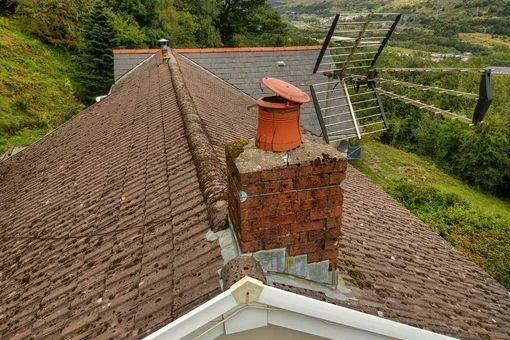
Who Can I Trust for Chimney Leak Repair Near Me?
Not all contractors are chimney specialists. Our team is CSIA and NFPA certified, serving Connecticut homeowners with proven repair methods, high-quality materials, and careful waterproofing. When your family’s safety is on the line, trust a chimney repair company with local expertise and thousands of successful fixes.
Preventing Future Chimney Leaks
The best way to reduce the cost to repair a leaking chimney is prevention. Trained specialists can spot damaged masonry at the very top, a leak coming from hidden areas, and other leak-related problems that general contractors may miss. Our team helps homeowners avoid damage with:
- Annual inspections of crowns, old flashing, and masonry, especially after long dry spells and sun
- Waterproofing brick, mortar, and cement surfaces because chimneys are more exposed to harsh weather than siding
- Verifying caps, doors, and dampers are properly installed and sealed
- Cleaning out debris to prevent blocked flues and poor ventilation
- Regular maintenance of fireplaces, wood stoves, and liners, including checking crowns that only leaks during hard rain can reveal
Being proactive is the most cost-effective way to protect your roof, walls, ceilings, and home from water intrusion.
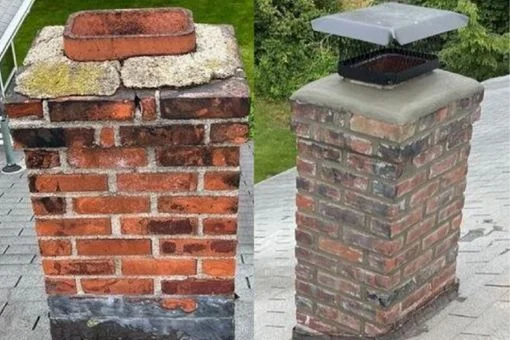
How Much Will Chimney Leak Repair Cost?
Worried about the cost to repair a leaking chimney? Every home is different, but catching leaks early is always more affordable than repairing major roof and masonry damage later. With 12+ years of experience and over 3,000 families served, we provide honest inspections and clear estimates—so you know what to expect.
Call Now for Expert Chimney Leak Repair in Connecticut
If your chimney is leaking, don’t climb up and try to fix it yourself—water problems are often deeper than the surface. From chimney crowns to flashing repair, GMT Home Services is the trusted chimney leak repair company homeowners call first.Peace of Mind Starts with GMT—Certified. Experienced. Trusted.
Leaky Chimney FAQs
Why is my chimney leaking?
A leaky chimney is almost always a water-path problem. Rain water gets in through the chimney flashing, a cracked chimney crown, worn mortar joints, or a rusted chase cover. A chimney inspection finds which one is letting water in so the repair fits the cause.
How does chimney flashing stop leaks?
Chimney flashing guides rain water away from the spot where the chimney meets the roof. It keeps water moving down and off the structure instead of into it. Flashing installed in layers, with proper step flashing, holds up longer than roofing tar or caulk.
Is roofing tar or caulk a good fix for chimney flashing?
It’s usually a short-term patch. Proper step flashing lasts longer than tar or caulk. Because flashing is installed in layers to prevent leaks, a layered install is the lasting fix.
What does a chase cover do, and why does it rust?
A chase cover sits on top of a prefabricated chimney and keeps rain water out of the chimney system. A rusty chimney chase cover can cause leaks. A stainless steel chimney cover resists rust and lasts longer. We use 304L stainless steel to prevent rust.
What is tuckpointing, and do I need it?
Tuckpointing is a chimney repair where eroded mortar joints are ground out and repacked with fresh mortar. If your mortar joints are crumbling, water can get into the brick and the rest of the structure. Tuckpointing closes those gaps.
Why does the chimney crown matter?
The crown is the top layer that caps the chimney and sheds rain water. When it cracks, water reaches the masonry and other parts of the chimney. Fixing the crown early protects everything below it.
What is a chimney cricket?
A chimney cricket is a small peaked structure behind a wide chimney. It splits the water flow and sends it around the chimney instead of letting it pool. It helps manage water flow around wide chimneys and protects the flashing.
Should I waterproof my chimney?
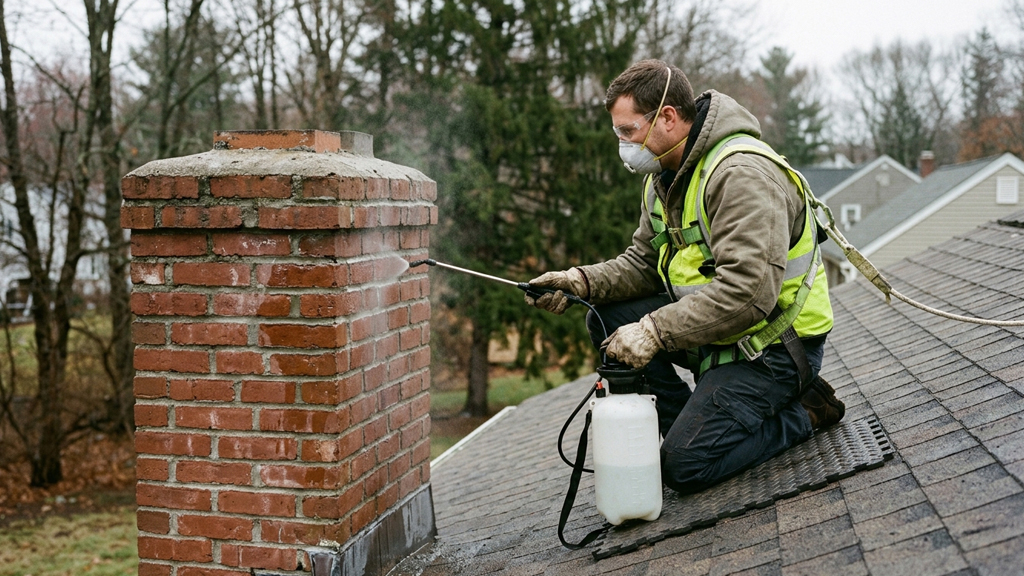
Yes, but use the right product. Chimney waterproofing should let vapor escape. A vapor-permeable masonry water repellent protects porous brick and mortar from moisture without trapping it inside.
Does a leak affect my chimney liner?
It can. Water that gets past the flashing, crown, or mortar joints can reach the chimney liner and other parts of the chimney system. The liner is essential for a safe, working chimney. A chimney inspection checks it along with the rest of the system.
How do I know where the leak is coming from?
Book a chimney inspection. We check the flashing, crown, mortar joints, chase cover, and liner. You get a clear answer and a repair plan, so you don’t pay for guesswork.
What causes chimney leaks in masonry chimneys?
Common causes include cracked crowns, damaged flashing, loose mortar, or bricks absorbing rain and snow. We’ve repaired thousands of such issues for homeowners.
How do professionals inspect for chimney leaks?
We carefully run a garden hose, inspect flashing, crown, and flue tile, and verify moisture points around the chimney and roof edge.
Can a leaking chimney be fixed without rebuilding it?
Yes. Most leaks are fixed with sealant, mortar repair, flashing replacement, or waterproofing—without full rebuilds.
How does flashing prevent leaks?
Properly installed metal flashing seals the roof-to-chimney joint, blocking rain, wind-driven water, and debris from entering your home by closing the gap where leaks often start. Many leaks are fixed with a flexible crown coat, flashing replacement, or replacing a failed chase cover instead of rebuilding the chimney.
What if water from my chimney reaches the basement?
That means cracks in bricks or mortar are channeling water down to the lowest visible point. Repairing and waterproofing the masonry quickly prevents further damage, and flashing seals the gap where the chimney meets the roof so water cannot work into the joint.