Learn about the different chimney inspection levels and make informed decisions for your home. Read more now!
A clean chimney is crucial for your fireplace system to function properly and for your safety, yet many homeowners underestimate its importance. Chimney inspections are part of home maintenance to ensure your chimney system works right and prevents hazards. The National Fire Protection Agency (NFPA) and the Chimney Safety Institute of America (CSIA) say chimney inspections are about fire safety, structural issues and overall chimney performance. By understanding the 3 levels of chimney inspections, you can make informed decisions about your fireplace and venting system.
Why Chimney Inspections Are Needed
Chimneys vent smoke and combustible deposits out of your home, but over time, debris, damage, or wear can compromise their performance. Annual chimney inspections are the minimum to maintain chimney safety and performance. A chimney sweep will visually inspect the inside and outside of your chimney, the flue, chimney cap and chimney crown for any signs of damage, blockages or safety issues. These inspections prevent chimney fires, ensure proper clearances and maintain the basic integrity of your chimney system.
A full chimney inspection looks at the accessible parts of the chimney structure and the appliance connection. The chimney technician will inspect interior chimney walls, hidden areas, and permanently attached parts of the system to determine any safety concerns or hazards. If serious hazards, structural damage or issues from natural disasters like storms or earthquakes are suspected, more advanced inspection techniques may be needed.
The 3 Levels of Chimney Inspections
Level 1 Chimney Inspection: The Basic
The Level 1 chimney inspection is the most basic. It’s for chimneys in the same condition as previous use, with no changes to the fuel type, appliance or venting system. During this inspection, the chimney sweep will visually inspect the accessible parts of the chimney, the inside and outside components, and the chimney cap and flue.
A Level 1 inspection checks for visible damage, combustible deposits and blockages that could affect the chimney’s safety and performance. This inspection is done annually to make sure your chimney is safe and efficient. It’s for homeowners who use their fireplace system regularly with no changes or external events affecting the chimney.
Level 2 Chimney Inspection: Enhanced Safety
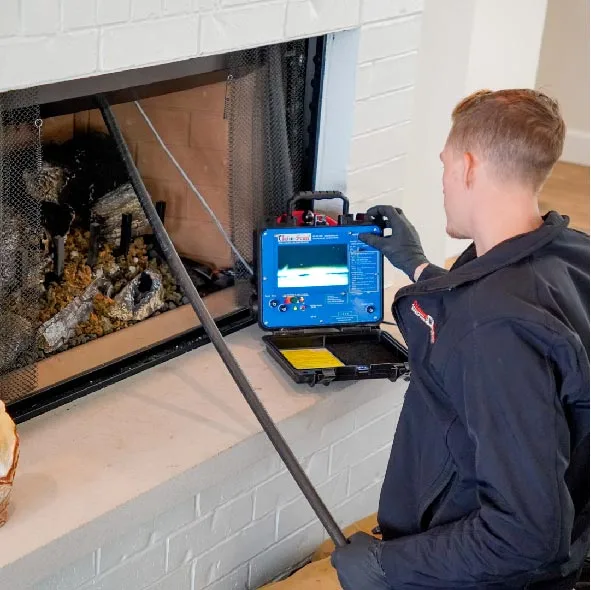
A Level 2 chimney inspection is more in-depth. It often uses special tools like video scanning equipment to inspect the entire chimney system, internal surfaces, crawl spaces and hidden areas. This inspection is recommended after changes to the fireplace or chimney connection, such as switching fuel types or increasing an appliance’s input rating. It’s also necessary after external events like severe weather or when buying or selling a home.
During a Level 2 inspection, the chimney technician will look at the basic structure and internal surfaces for hazards like combustible deposits or improper clearances. This inspection ensures the fireplace system meets fire safety standards and finds structural issues that could be safety hazards.
Level 3 Chimney Inspection: Extreme Situations
In extreme situations where serious hazards or structural damage is suspected, a Level 3 inspection is required. This inspection involves gaining access to hidden areas by removing parts of the chimney structure or surrounding building materials. Chimney sweeps use specialized tools to inspect hidden parts of the chimney system, like the flue and internal chimney walls, for damage.
A Level 3 inspection is usually required after a chimney fire, weather events or other events that compromise the chimney’s structure. While this is the most invasive inspection, it’s essential to address severe safety issues and make the chimney system safe to use.
Work with Professionals for Chimney Safety
Having your chimney inspected annually by a professional is the best way to protect your home and loved ones from hazards. Chimney sweeps follow CSIA guidelines and specialized training, and they have the right tools to inspect the inside and outside of the chimney. They find safety issues, recommend maintenance or repairs and give peace of mind to valued customers.
Now that you know the inspection levels, work with the experts and many homeowners can keep their chimneys running and avoid costly repairs. Whether it’s a Level 1 or Level 3 inspection, GMT Home Services is here to help. Contact us today to schedule your chimney inspection and make sure your chimney system is safe and efficient all year round.
FAQs
Q. What’s the difference between a Level 1 and Level 2 chimney inspection?
Level 1 is a visual inspection of the easily accessible parts of the chimney, which is good for maintenance. A Level 2 is more in-depth, uses tools like video cameras to inspect hidden and internal areas, and is recommended for changes in the system, natural disasters or property sales.
Q. How much is a Level 2 chimney inspection?
A Level 2 chimney inspection costs between $200 and $500, depending on the chimney and location.
Q. What are the levels of NFPA 211 inspection?
NFPA 211 has three levels of inspection:
- Level 1: Basic visual for maintenance.
- Level 2: Full inspection with video scanning for modified systems or external events. Level 3: Invasive inspection requiring removal of parts of the chimney structure to access hidden areas for severe safety issues.
Q. What’s the difference between a Level 2 and Level 1 inspection?
A Level 2 inspection goes beyond the visual of a Level 1 and uses tools to inspect hidden areas, crawl spaces and internal chimney surfaces.
Q. What is the difference between Level 1, Level 2, and Level 3 chimney inspections?
- Level 1 is a basic visual inspection for chimneys with no recent changes.
- Level 2 is more detailed and includes video scanning of internal areas.
- Level 3 is invasive and required when serious damage or hazards are suspected.
Each level is chosen based on the chimney’s condition and recent events.
Q. Why do I need a chimney inspection every year?
Annual chimney inspections help detect hidden damage, blockages, and creosote buildup before they turn into serious safety hazards. Even chimneys that look fine on the outside can have internal issues that only a professional can spot.
Q. What happens if I don’t get my chimney inspected?
Skipping inspections can lead to:
- Chimney fires
- Carbon monoxide leaks
- Poor ventilation
- Costly structural repairs
Regular inspections prevent small issues from becoming dangerous and expensive problems.
Q. Do gas fireplaces and furnaces need chimney inspections too?
Absolutely. Gas systems can develop venting problems, corrosion, or blockages that may cause carbon monoxide to leak into your home. Inspections ensure all fuel-burning appliances vent safely.
Q. Is a chimney inspection necessary if I rarely use my fireplace?
Yes. Unused chimneys can still develop:
- Animal nests
- Moisture damage
- Blocked airflow
An inspection ensures the chimney is safe when you decide to use it again.
Q. What problems can a Level 1 inspection uncover?
It can uncover:
- Creosote buildup
- Obvious cracks or deterioration
- Blocked flue openings
- Missing or damaged chimney caps
Q. Who is a Level 1 chimney inspection best for?
It’s best for homeowners who use the same fireplace or appliance as before, with no changes to fuel type, structure, or venting system since the last inspection.
Q. What happens if an issue is found during a Level 1 inspection?
If a safety issue is found, the technician may recommend additional cleaning, repairs, or upgrading to a Level 2 inspection for a deeper evaluation.
Q. What makes a Level 2 chimney inspection more detailed?
It includes video camera scanning of the flue and internal surfaces, allowing technicians to see areas not visible during a basic inspection.
Q. Why is a Level 3 inspection considered “extreme”?
Because it involves opening or removing parts of the chimney or surrounding structure to access hidden areas that may pose immediate safety risks.
Q. How do professionals decide that Level 3 is necessary?
If a Level 2 inspection reveals serious defects but cannot fully assess the damage, the technician will recommend Level 3 for safety reasons.
Q. Is a Level 3 inspection expensive?
It costs more than Levels 1 or 2 due to labor and access work, but it can save thousands of dollars by preventing catastrophic damage.
Q. Can a professional chimney inspection really improve home safety?
Yes. Professionals identify fire risks, carbon monoxide dangers, and structural problems that can threaten your family’s safety if left unchecked.
Q. How do professionals decide which inspection level I need?
They evaluate your chimney’s history, recent changes, usage, and visible condition before recommending the appropriate inspection level.
Q. What happens if repairs are needed after an inspection?
Professionals provide clear recommendations, cost estimates, and timelines, allowing homeowners to make informed decisions without pressure.