Chimney sweeping is an essential aspect of home maintenance that many homeowners overlook, especially when it comes to clean chimneys . Whether you rely on a fireplace for warmth or ambiance, your chimney plays a critical role in safely venting smoke, gases, and other byproducts of combustion from your home.
Over time, however, chimneys can become clogged with creosote buildup, soot, and debris, creating significant fire hazards. That’s where regular chimney cleaning comes in, reducing the risk of chimney fires and improving your chimney’s efficiency.
In this guide, we’ll explore the importance of chimney sweeping as a job , why it’s crucial for your home’s safety, and how to ensure your chimney stays well-maintained for years to come.
The Role of Chimney Sweeping in Fire Prevention
One of the most significant dangers that come with having a fireplace is the potential for a chimney fire. Creosote, a byproduct of burning wood and coal , accumulates on the inside of the chimney as a highly flammable residue. If too much creosote builds up, it can ignite when exposed to heat, leading to a dangerous chimney fire.
The Chimney Safety Institute (CSI) recommends annual chimney inspections and cleaning as a preventive measure using specialized tools . Heavy creosote buildup can also block the chimney liner, obstruct the smoke shelf, and restrict airflow, making it more difficult for your chimney to function efficiently. Without the proper chimney cleaning, your home could be at risk of dangerous fires.
How Chimney Sweepers Remove Creosote and Soot
During a chimney inspection, professional chimney sweepers use modern tools and equipment to thoroughly clean your chimney. They begin by examining the entire chimney liner and flue for any signs of damage, such as cracks or obstructions. These issues must be addressed immediately to avoid dangerous smoke buildup or a chimney fire.
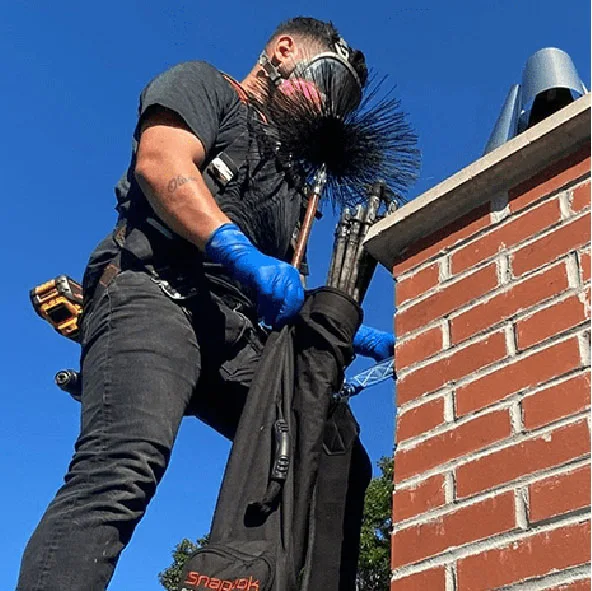
Once the inspection is complete, the professional chimney sweep will begin the cleaning process using a brush head and rods designed for chimney cleaning. The rods are attached to flexible rods that allow the chimney sweep to reach every part of the chimney, including areas that may be hard to access. The brush works to dislodge and remove soot, ash, and creosote that has accumulated along the chimney’s interior.
Because creosote is highly flammable, any buildup can pose a significant fire risk. Regular cleaning prevents creosote buildup from becoming a dangerous threat. A professional chimney sweep uses protective gear, including safety goggles, gloves, and a dust mask, to protect themselves from harmful chemicals during the cleaning process.
Why You Should Choose a Certified Chimney Sweep
While DIY chimney sweeping kits are available, it’s essential to hire a certified chimney sweep for thorough chimney maintenance and safe cleaning. Certified chimney sweeps have undergone training and have the right tools to safely inspect and clean your chimney. Additionally, a professional sweep has the expertise to recognize chimney liner damage, cracks, and other fire hazards that could go unnoticed without a trained eye.
A certified chimney inspector will also look for any obstructions in the smoke chamber, smoke shelf, and vent system. These areas must be clear for efficient airflow. Without proper inspection and cleaning, small obstructions or debris could cause smoke to back up into your home, which could lead to dangerous situations.
The Importance of Regular Chimney Inspections and Cleaning
Regular cleaning is the key to maintaining a well-maintained chimney and protecting your home from potential hazards. The Chimney Safety Institute suggests that homeowners schedule a chimney inspection at least once a year to identify issues early on. Chimney inspections include a visual check of your chimney liner, flue, walls and firebox for cracks or other damage that could compromise the safety of your system. If creosote buildup is found, chimney sweepers will promptly clean the chimney to ensure that no lint, debris, or flammable materials remain inside.
professional chimney cleaners have the specialized tools to climb the roof and inspect areas that are otherwise difficult to reach. They will also check the damper to ensure it is functioning properly and not restricting airflow.
Signs Your Chimney Needs Sweeping
While creosote buildup is one of the most common reasons for chimney sweeping, there are several other signs that your chimney may require professional attention:
- Visible Smoke or Odors: If smoke is entering your home rather than being vented through the chimney, or if you notice unusual odors, it may be time for a cleaning.
- Excessive Soot: If you notice black soot around your fireplace or firebox, it could indicate that creosote is building up in your chimney.
- Fire Hazards: A small fire that doesn’t stay contained or the presence of visible creosote buildup can increase the risk of chimney fires.
- Poor Airflow: If your chimney isn’t allowing proper airflow, your fireplace or gas dryer may not be venting properly.
Preventing Chimney Fires and Fire Hazards
To minimize the risk of chimney fires, ensure that your chimney is regularly cleaned by a professional chimney sweep. Homeowners should also:
- Use Dry, Seasoned Wood: Wet or unseasoned wood creates more smoke and produces more creosote.
- Install a Chimney Cap: A cap can prevent debris, birds, and small animals from entering your chimney, which can lead to blockages.
- Check the Firebox: Make sure there is no ash or debris inside the firebox that could obstruct airflow.
These steps, in addition to regular inspections and cleaning, will help keep your chimney clean and safe.
FAQs
Q. Does chimney sweeping actually reduce fire risk or just remove dirt?
Chimney sweeping directly reduces fire risk by removing creosote, which is the primary fuel for chimney fires—not just dirt or ash.
Q. How does chimney sweeping protect the chimney liner from fire damage?
By removing creosote, sweeping prevents liner overheating and cracking, which can expose surrounding walls to extreme heat and fire.
Q. How does regular chimney sweeping improve overall fire safety?
It removes fire fuel, restores proper airflow, detects hidden damage early, and ensures your chimney safely contains heat—all essential to fire prevention.
Q. Can all creosote be removed during one cleaning?
Most creosote can be removed in one visit. However, heavy or glazed creosote may require multiple cleanings or specialized treatments to fully eliminate the fire hazard.
Q. Do chimney sweepers clean from the top or the bottom?
They may clean from either direction, depending on chimney design, roof access, and safety considerations. Both methods are effective when done professionally.
Q. Is creosote removal different from soot removal?
Yes. Soot is loose and powdery, while creosote is sticky and flammable. Creosote requires aggressive brushing or scraping, whereas soot is easier to vacuum away.
Q. How long does creosote and soot removal take?
A standard cleaning usually takes 45 minutes to 1 hour, depending on the level of buildup and chimney condition.
Q. How often does creosote form in chimneys?
Creosote forms every time wood or coal is burned. The rate depends on fuel type, moisture content, and airflow quality.
Q. Is creosote removal necessary even if there’s no visible buildup?
Yes. Dangerous creosote can form higher up in the flue, where it’s not visible from the fireplace opening.
Q. Does chimney sweeping include flue inspection?
Yes. Most professional cleanings include inspection of the flue, liner, and smoke chamber for cracks or damage.
Q. Can a certified chimney sweep spot problems before they become expensive?
Yes. Certified professionals are trained to detect early signs of cracks, moisture damage, and structural wear before they require costly repairs.
Q. How does certification improve long-term chimney performance?
Certified sweeps focus on both cleaning and system health, helping extend the life of your chimney and reduce long-term maintenance costs.
Q. How often should chimneys be inspected and cleaned?
Chimneys should be inspected annually and cleaned whenever creosote buildup reaches unsafe levels or after heavy seasonal use.
Q. What’s the difference between chimney inspection and chimney cleaning?
An inspection identifies safety issues, damage, and blockages, while cleaning removes soot, creosote, and debris. Both work together to ensure chimney safety.
Q. Should inspections be done before winter?
Yes. Fall inspections ensure your chimney is clean and safe before peak heating season begins.
Q. Is skipping one year of chimney maintenance risky?
Yes. Even one missed year can allow creosote and debris to build up to dangerous levels.
Q. What is the most effective way to prevent chimney fires?
Annual professional inspections, regular sweeping, proper fuel use, and maintaining clear airflow together provide the highest level of protection.
Conclusion
Regular chimney sweeping and maintenance, especially in fall, are essential for the safety of your home. Cleaning your chimney helps prevent chimney fires, removes dangerous creosote, and ensures that your chimney and ventilation system are working efficiently. By investing in professional chimney inspections and hiring a certified chimney sweep, you can enjoy a warm, safe, and clean home.
Protect your home and loved ones—schedule a chimney inspection and cleaning with a professional chimney sweep today! Your chimney will thank you, and so will your peace of mind.
Don’t wait for a dangerous chimney fire to occur. Contact GMT Home Services, an expert chimney sweep for an inspection and cleaning today! Keep your home clean, safe, and efficient.