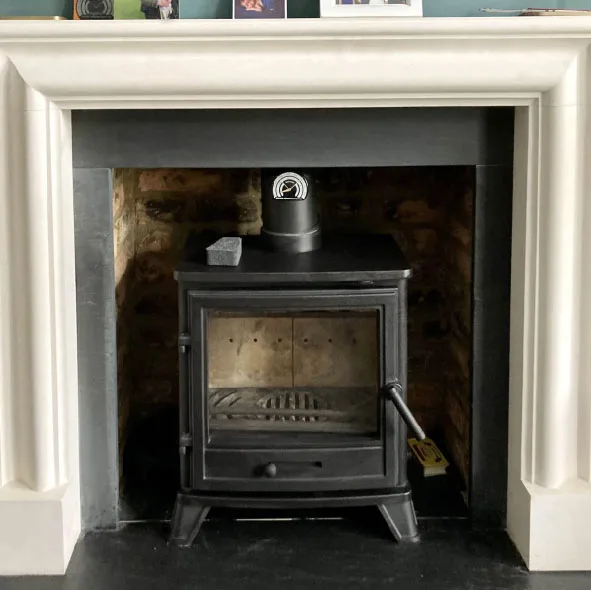
Cleaning your chimney is essential for maintaining a safe and efficient fireplace. While many people think of chimney cleaning as a job that requires climbing onto the roof, there’s a safer and equally effective method cleaning from the bottom up. This approach keeps you off the roof while still removing soot, creosote, and blockages that could pose a fire hazard. Let’s dive into the best ways to clean your chimney from the bottom up and keep it in top shape year-round.
Preparing for Chimney Cleaning
Before you start, it’s crucial to gather the right tools and take precautions. Measure the inner dimensions of your chimney to ensure you use the correct chimney brush size. If you have a metal Class A chimney, a prefab chimney, or a relined masonry chimney, remove the chimney cap and measure the length and inner diameter of the flue.
A poly-bristled brush is best for metal flues to avoid damaging the inner walls. To protect your home, cover your furniture and flooring with drop cloths to prevent soot and debris from making a mess. Safety first—always wear gloves, a mask, and protective eyewear before you begin.
Understanding the Bottom-Up Cleaning Method
The bottom-up brush and rod method is a safer alternative to the traditional top-down approach. It allows you to clean your chimney from inside your home, eliminating the risk of climbing a ladder or walking on the roof. This method is perfect for homeowners who want to clean their chimneys themselves but are uncomfortable with heights.
Since you’ll be working inside the firebox, it can be a messy process, so take precautions by sealing off the area around the fireplace. Using a flexible rod system makes it easier to navigate the bends and curves of the chimney pipe and flue while ensuring a thorough cleaning.
Essential Tools and Safety Precautions
To effectively clean your chimney from the bottom, you’ll need a few key tools:
Flexible Chimney Rods: These help navigate bends and corners in your flue.
Chimney Brush: Metal-bristled brushes work best for heavy creosote buildup, while poly brushes are ideal for metal flues.
Vacuum or Drop Cloths: Keep soot and debris contained as you work.
Protective Gear: Wear gloves, a mask, and goggles to prevent exposure to harmful creosote and dust.
Using a drill to attach the rod system to the chimney brush can help speed up the cleaning process, making it easier to break apart stubborn creosote deposits.
Step-by-Step Guide to the Rod Cleaning Method
1. Attach the Chimney Brush to the Rods: Secure the brush tightly all the debris so it doesn’t come loose while cleaning.
2. Start from the Firebox Opening: Insert the brush into the stove and chimney and begin scrubbing in an up-and-down motion.
3. Extend the Rods as Needed: Add more rods to reach further up the chimney flue.
4. Remove the Brush and Clean Up: Carefully pull the brush out and vacuum any loose debris from the firebox inside.
Regular Maintenance and Chimney Repair
Routine chimney cleaning helps prevent dangerous creosote buildup, which can lead to chimney fires. As you clean, take the opportunity to inspect your chimney liner, cap, and firebox for any signs of wear or damage. Small cracks, leaks, or missing mortar joints can lead to bigger problems down the line.
If you notice excessive buildup or structural damage, consider hiring a professional chimney sweep to perform a thorough inspection and repairs. Annual maintenance is key to keeping your chimney in peak condition.
Troubleshooting Common Chimney Issues
- Blockages: If your brush cannot reach the obstruction, try using a plumber’s snake or a rotary soot cleaner.
- Heavy Creosote Buildup: If soot is thick and tar-like, you may need a professional-grade creosote remover.
- Water Damage or Leaks: Inspect the chimney cap and liner for cracks or deterioration.
- Persistent Smoke or Odors: Make sure your flue is clear and properly venting gases outside.
FAQs
Q. Can I clean my chimney from the bottom up?
Yes, the bottom-up method using a flexible rod and brush is an effective and safer alternative to cleaning from the top.
Q. Can you clean a flue from the bottom?
Yes, you can clean the flue from the bottom using chimney rods and a brush designed to navigate bends and remove creosote buildup.
Q. How do I get rid of creosote buildup in my chimney?
Scrub the flue with a chimney brush and rod system. If there is a heavy buildup, apply a creosote remover or consider professional cleaning.
Q. What is the black gunk in a chimney?
The black gunk is creosote, a highly flammable byproduct of burning wood that accumulates in the chimney over time.
Q. Is bottom-up chimney cleaning as effective as top-down cleaning?
When done correctly with the right tools, bottom-up chimney cleaning is just as effective as the top-down method. Flexible rods and proper brush sizing allow you to scrub the entire flue thoroughly.
Q. How long should I wait after using my fireplace before cleaning?
Wait at least 24 hours after the last fire to ensure all embers are extinguished and the chimney has cooled completely.
Q. Should I inspect my chimney before cleaning?
A quick visual inspection helps identify cracks, loose mortar, damaged liners, or blockages that may require professional attention before cleaning begins.
Q. Do I need to prepare differently for a wood stove vs. a fireplace?
Yes. Wood stoves often require disconnecting stovepipe sections, while fireplaces need more area protection due to open firebox exposure.
Q. How long does bottom-up chimney cleaning take?
For most residential chimneys, the process takes 30 minutes to an hour, depending on chimney height and buildup level.
Q. When should I choose top-down cleaning instead?
Top-down cleaning may be preferred if the chimney has severe blockages, structural issues, or if professional inspection from the roof is required.
Q. What kind of mask should I wear during chimney cleaning?
A dust mask or respirator rated for fine particles is recommended to prevent inhalation of soot and creosote particles.
Q. How can I prevent soot from spreading through my house?
Use plastic sheeting or a fireplace cover, seal gaps tightly, lay drop cloths, and keep doors closed to limit airborne dust.
Q. When do safety concerns mean I should stop and call a professional?
If you encounter thick, glazed creosote, strong odors, loose liners, or structural damage, stop immediately and contact a certified chimney professional.
Q. Is the rod cleaning method suitable for first-time users?
Yes, as long as instructions are followed carefully. Many first-time homeowners prefer this method because it’s controlled and roof-free.
Q. What’s the safest way to remove the rods after cleaning?
Detach rods one at a time as you pull them out. This prevents sudden drops of debris and keeps the process controlled.
Q. How do I know if my chimney needs maintenance or actual repair?
Maintenance involves cleaning and inspections, while repairs are needed if you see cracks, crumbling mortar, water leaks, rusted components, or poor draft even after cleaning.
Q. What parts of the chimney wear out the fastest?
The chimney cap, crown, flashing, and mortar joints tend to deteriorate first because they’re constantly exposed to weather and temperature changes.
Q. Does regular cleaning reduce the need for chimney repairs?
Yes. Routine cleaning prevents creosote buildup and moisture retention, which are two of the biggest causes of long-term chimney damage.
Q. How often should chimney repairs be inspected?
A visual check should be done during every cleaning, and a detailed inspection is recommended at least once a year or after severe weather.
Q. What does a strong smoky or musty smell from the chimney mean?
Odors usually indicate creosote buildup, moisture inside the chimney, or decomposing animal debris trapped in the flue.
Q. Is white staining on the chimney a problem?
Yes. White stains (efflorescence) indicate moisture intrusion, which can lead to long-term masonry damage if ignored.
Q. What does it mean if ashes or soot keep falling into the firebox?
This can be a sign of loose flue tiles, deteriorating liner material, or excessive creosote buildup inside the chimney.
Final Thoughts
Cleaning your chimney from the bottom is a practical and safe way to maintain your fireplace and ensure optimal performance. With the right tools, a little preparation, and regular maintenance, you can keep your chimney in excellent condition without ever setting foot on the roof. If you need help, don’t hesitate to call a GMT professional chimney sweep for expert advice and service. A clean chimney means a safer, more efficient fireplace for you and your family to enjoy!