The Day I Figured Out the Secret to a Perfect Brick Chimney
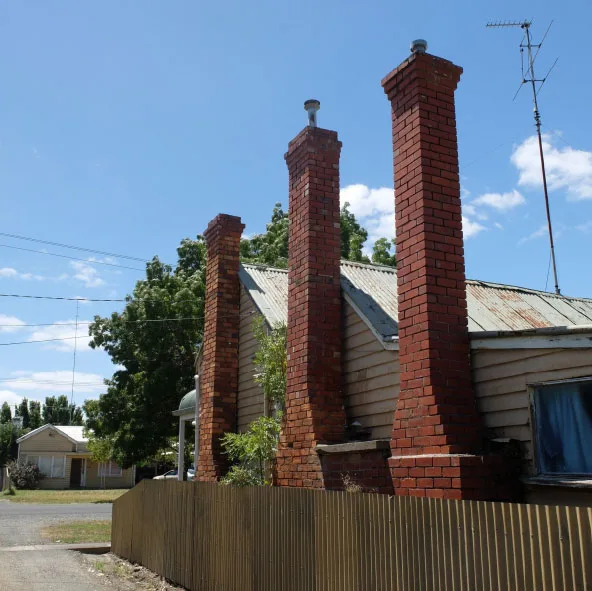
I never thought much about chimneys. To me, they were just… there. A bunch of bricks on top of a house, doing whatever chimneys do. That was until I was looking at my exterior brick chimney and wondering why it looked so—well, terrible. The brick had lost its charm, the mortar was crumbling in places, and it just didn’t seem to fit with the rest of my house.
That’s when I went down the rabbit hole. What started as a simple idea—“Maybe I should fix this up?”—turned into a whole renovation project. I learned why some masonry chimneys look timeless and others fall apart, what actually matters and most importantly, the secret to getting it just right.
Brick Is More Than Just Pretty
First, I thought a chimney was just a structural thing—something that lets smoke out of a fireplace and sits there looking decorative. But I quickly learned real brick isn’t just about looks; it’s about durability, insulation and even energy efficiency. A well-built masonry chimney can prevent moisture buildup, improve air circulation and even add value to your home. Who knew?
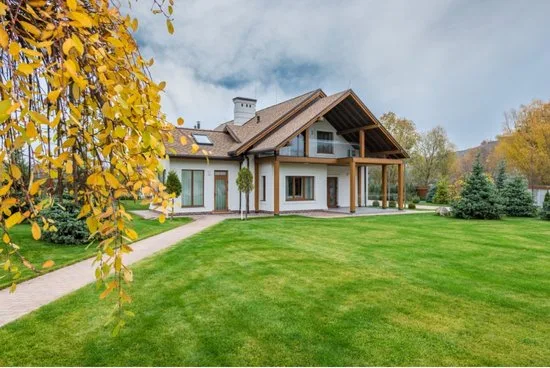
It’s also about how the chimney fits into the architecture of the house. A thoughtfully designed chimney, whether built with stone, real brick or painted brick, can enhance the curb appeal by complementing the roof. Homeowners often overlook how a properly installed chimney can balance the proportions of a house, complementing features like a front porch, wood siding or even the shape of windows and the roofline.
Mortar is More Important Than You Think
I always thought bricks were the star of the show. It turns out that the mortar is the real MVP. If the mortar starts to break down, even the best bricks won’t hold up. I learned that using the right type of mortar for your climate is key—some mixtures expand and contract better with temperature changes, preventing cracks. A chimney that stands the test of time isn’t just about strong bricks but about the perfect combination of quality mortar and proper installation. Beyond durability, mortar plays a big role in aesthetics. Depending on the color and texture, it can change the look of a masonry chimney. A modern home might look best with a subtle painted finish, and a classic colonial home with a traditional mortar joint.
The Secret? Maintenance and Smart Design
Here’s the real secret: no masonry chimney, no matter how well built, lasts forever without care. Waterproofing the brick, sealing small cracks before they become big problems and making sure the chimney cap is in good shape can save homeowners from costly repairs. If you live in an area with harsh weather, regular maintenance is even more important. Moisture is a chimney’s worst enemy, and without proper waterproofing, brick and mortar can deteriorate quickly.
Beyond maintenance, smart design can make all the difference. If you’re designing a new chimney, think about how it fits with the rest of the home. Does it work with your wood siding or stone foundation? Is the hearth designed for efficiency? Does it create a cozy space inside and a strong architectural statement outside?
Also, the interior components matter just as much. The firebox should be built with heat resistant materials while the flue needs to be properly insulated to prevent heat loss and moisture buildup. A well-designed chimney ensures that air circulates well, keeping your house warmer in the winter without pulling too much heat from the rest of the room.
The Brick Chimney and Home Comfort
A chimney isn’t just about looks; it affects your living space directly. A properly installed and insulated chimney can regulate indoor temperatures, improve air quality and even reduce heating costs. Additionally, the design of your ceiling, such as incorporating vaulted ceilings with tall windows, can further enhance indoor air quality and temperature regulation. Whether you have a wood-burning fireplace or another heating system, a well-built chimney enhances efficiency by allowing smoke and gases to escape while keeping warm air inside.
For those who love the outdoors, an exterior brick chimney can be the centerpiece of an outdoor living space. Imagine sitting on your front porch or backyard patio and enjoying the warmth of a crackling fire as the weather cools. With the right combination of materials—brick, stone and concrete—you can create a durable and inviting spot that lasts for years.
FAQs
Q. Is brick really better than other chimney materials?
Yes. Brick and masonry chimneys are highly durable, fire-resistant, and offer better insulation than many prefabricated systems when properly built and maintained.
Q. How often should a brick chimney be inspected?
A brick chimney should be inspected at least once a year, especially before winter, to catch small cracks or mortar damage before they become expensive repairs.
Q. How does brick improve energy efficiency?
Brick retains heat and stabilizes temperature, helping the chimney maintain proper draft while preventing excessive heat loss from the home.
Q. Does the type of brick matter for chimneys?
Yes. Fire-rated and exterior-grade bricks are essential for chimneys to withstand heat, moisture, and freeze-thaw cycles.
Q. Are brick chimneys suitable for all climates?
Yes, but they must be built with climate-appropriate mortar and waterproofing to prevent cracking and moisture damage.
Q. Why does mortar fail before the bricks do?
Mortar is designed to be softer than brick, so it takes the stress from temperature changes and weather. This means it wears out first, protecting the bricks.
Q. Does the type of mortar really matter?
Yes. Using the wrong mortar mix can cause cracking, brick damage, and premature failure—especially in areas with freeze-thaw cycles.
Q. What are signs that chimney mortar needs repair?
Common signs include:
- Cracks or gaps in joints
- Crumbling or powdery mortar
- Loose or shifting bricks
- Water stains or white residue (efflorescence)
Q. How often should chimney mortar be inspected?
Mortar should be inspected once a year, ideally during a chimney inspection or masonry check.
Q. How long does properly maintained mortar last?
With the right materials and maintenance, chimney mortar can last 25–50 years or more.
Q. How often should I maintain my chimney?
It’s recommended to inspect and clean your chimney at least once a year, ideally before winter or heavy fireplace use.
Q. What are the key maintenance tasks?
Important tasks include:
- Cleaning soot and creosote
- Inspecting and repairing mortar and bricks
- Waterproofing the chimney
- Checking the chimney cap and crown
- Removing blockages and debris
Q. What role does the chimney cap play?
The chimney cap prevents water, debris, and animals from entering the chimney, protecting it from damage and blockages.
Q. Does the chimney’s material affect comfort?
Yes. Brick, stone, and masonry retain heat better than metal or prefabricated materials, contributing to a warmer, more comfortable home.
Q. How does chimney design affect comfort?
Smart chimney design ensures efficient smoke removal, even heat distribution, and reduced drafts, making your living space more comfortable year-round.
My Takeaway
I laugh at how clueless I was. Chimneys aren’t the first thing on a homeowner’s mind when planning a renovation, but they make a big difference. If you’re considering adding or rebuilding an exterior brick chimney, don’t just think about looks; think about longevity, insulation and maintenance.
So what’s the secret to a perfect brick chimney? It’s not just one thing. It’s about using quality materials, working with a skilled mason, and proper construction and maintenance. Whether your chimney is on a modern home with a painted finish or a classic front porch with wood trim, the right approach can transform both indoors and outdoors. Trust me, your home and your future self will thank you for it.