When was the last time you had your chimney cleaned? If you can’t remember, it might be time to call in the professionals. Whether you enjoy the occasional cozy fire or rely on your wood-burning stove all winter, a clean chimney is essential for fire safety and home efficiency.
But how often do you really need a chimney sweep? The answer depends on several factors, including how frequently you use your fireplace, the type of wood you burn, and the condition of your flue system. Let’s break it all down and make sure your chimney is in top shape.
Why Is a Chimney Sweep Necessary?
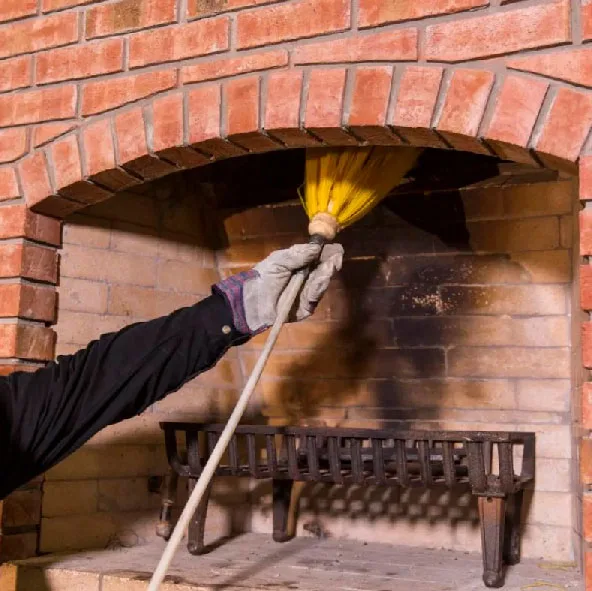
Every time you burn wood, it releases smoke, gases, and tiny particles that travel up the chimney flue. Over time, these particles settle on the interior walls of the flue lining, forming a tar-like substance known as creosote. This buildup is highly flammable and is the leading factor contributing to chimney fires.
A neglected chimney can also cause toxic gases, including carbon monoxide, to leak into your living space, posing serious health risks. That’s why organizations like the Chimney Safety Institute and the National Fire Protection Association recommend regular chimney inspections and cleaning.
How Often Should You Get a Chimney Sweep?
The general rule is to have your chimney inspected and cleaned at least once a year. However, your specific needs may vary based on:
- Frequency of use – If you burn wood daily during the heating season, you may need a chimney sweep twice a year.
- Type of fuel used – Burning wood creates more creosote than using a gas or oil-burning heating system.
- Type of wood burned – Burning only well-seasoned hardwood produces less soot than burning softwoods or unseasoned logs.
- Condition of your chimney – If you have an older masonry chimney or one that hasn’t been inspected in years, regular cleaning is even more critical.
Chimney Sweep Recommendations Based on Usage
- Occasional fireplace users (a few times a year): Annual inspection and cleaning if necessary.
- Moderate users (a few times a week during winter): Once a year cleaning before the burning season.
- Frequent users (daily use in winter): Twice a year cleaning—once before winter and once mid-season.
- Wood stove users: Two or more cleanings per year, depending on usage.
- Gas fireplaces: Annual inspection, as debris and blockages can still occur.
Signs That Your Chimney Needs Cleaning
Even if you follow the general rule, there are clear warning signs that you should schedule a chimney sweep sooner rather than later:
- Smoke backing up into the room – This could indicate a blockage or excessive creosote buildup.
- Strong, sooty odors – If your fireplace smells even when not in use, it’s time for a deep cleaning.
- Black soot around the fireplace opening – Excessive soot buildup is a sign of restricted airflow.
- Difficulty keeping a fire burning hot – A blocked flue can disrupt the burning wood process.
- Visible creosote buildup inside the chimney flue – If you see a tar-like substance when shining a flashlight inside, it’s time for a cleaning.
How to Keep Your Chimney Clean Between Sweeps
While a professional sweep is essential, you can take steps to reduce creosote buildup and keep your chimney in good repair:
- Burn only seasoned hardwood – Wet or unseasoned wood produces more soot and tar-like substances.
- Keep your damper open while burning – This allows for proper airflow and prevents excessive buildup.
- Use a spark arrestor or chimney cap – This keeps out debris and prevents hot ash from escaping onto your roof.
- Clean out ash regularly – Too much ash in the firebox can reduce efficiency.
- Schedule an annual inspection – Even if you don’t need cleaning, a professional can detect early signs of damage.
FAQs
Q. Why is chimney cleaning important?
Chimney cleaning removes creosote buildup, soot, and debris that can cause chimney fires or carbon monoxide leaks. Regular maintenance ensures your fireplace or stove operates safely and efficiently.
Q. What happens if I skip chimney cleaning?
Ignoring maintenance can lead to:
- Chimney fires
- Carbon monoxide leaks
- Expensive repairs
- Reduced heating efficiency
Q. How often should I schedule a chimney sweep?
Most experts recommend at least once a year, with heavier-use fireplaces needing twice a year, especially during the heating season.
Q. Does the type of wood affect how often I need cleaning?
Absolutely. Softwoods or unseasoned logs create more creosote and may require more frequent cleaning, while seasoned hardwoods produce less.
Q. How do I know if I need an extra cleaning outside the regular schedule?
Look for signs like:
- Smoke backing into the room
- Strong, sooty odors
- Black soot around the fireplace opening
- Visible creosote in the flue
Q. Does chimney age affect cleaning frequency?
Yes. Older masonry chimneys or chimneys that haven’t been inspected in years may need more frequent sweeps to prevent hazards.
Q. Can I skip a cleaning if the fireplace looks clean?
No. Creosote can form high up in the flue, where it’s not visible. Professional cleaning ensures safety and efficiency.
Q. My fireplace smells smoky even when not in use. Is that a problem?
Yes. Strong, lingering odors indicate soot or debris buildup and mean your chimney should be inspected and possibly cleaned.
Q. I see black soot around the fireplace opening. Should I schedule a sweep?
Absolutely. Excessive soot around the fireplace is a sign of restricted airflow and indicates that cleaning is needed.
Q. Smoke comes into the room when I burn a fire. What does that mean?
Smoke backing up into your living space can signal a blocked or partially blocked flue, often caused by creosote buildup or debris.
Q. My fire doesn’t burn as hot as it used to. Could this be related to the chimney?
Yes. Restricted airflow from soot or creosote buildup reduces fire efficiency, making it harder to maintain a strong fire.
Q. Does it matter if I use hardwood or softwood?
Yes. Softwoods or unseasoned wood create more soot and creosote, so the signs of needed cleaning may appear faster.
Q. Can a chimney cap or spark arrestor help?
Yes. A chimney cap keeps out rain, debris, and animals, while a spark arrestor prevents hot ash from escaping and reduces buildup inside the flue.
Q. Can I inspect my chimney myself between sweeps?
Yes. Use a flashlight to look up the flue for visible creosote or debris, but always rely on a professional sweep annually for thorough cleaning and inspection.
Q. Are there products that help keep my chimney clean?
Some homeowners use creosote-reducing logs or additives, but these are not substitutes for professional cleaning. They can help reduce buildup but cannot remove existing creosote.
Trust the Experts for Your Chimney Cleaning
A chimney sweep isn’t just about cleaning—it’s about ensuring your home stays safe, warm, and free from harmful gases. Many homeowners don’t realize that a neglected chimney serves as a major fire hazard.
At GMT Home Services, we specialize in chimney inspections, maintenance, and cleaning. Our chimney professionals use advanced tools like wire brushes and high-powered vacuums to ensure your flue is spotless. Whether you have a brick chimney, a prefabricated chimney, or a solid masonry structure, we’ve got you covered.