Learn how to easily check if your chimney flue is open to stay safe. Read our simple guide!
A fire in your home is great, but before you light those logs, you need to make sure your chimney flue is open. A closed flue can trap smoke and gases in your home and be a health hazard. This guide will show you how to quickly check if your flue is open and your fireplace is safe and working well.
Chimney Flue and Fireplace damper
Your chimney flue is the passage through which smoke, gases and combustion byproducts escape from your home. It’s a vital part of ventilation, keeping pollutants out of your living space. Depending on your heating system, most flues are metal and go through the roof or are vented through a sidewall. Knowing how to control the fireplace damper is key to proper chimney safety and safe fireplace operation.
Types of Chimney Dampers
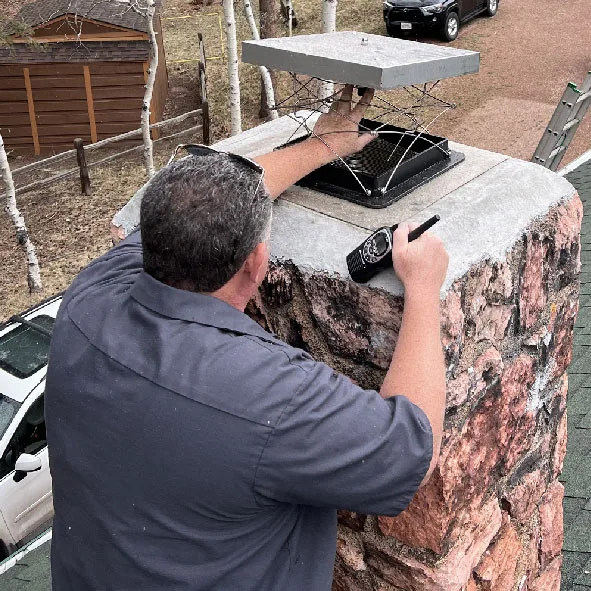
Your chimney damper is the mechanism that opens or closes the flue. There are two main types: throat dampers and top-mount dampers. Throat dampers are at the base of the chimney, just above the firebox. They insulate the home and prevent cold air from entering, so they are a crucial part of fireplace operation and safety. They’re usually cast iron or steel and operated by a knob, lever or pull chain. Top-mount dampers are at the top of the chimney and are sealed with a spring-loaded design. They often have a chimney cap which seals the chimney flue to keep animals and debris out. A chain or handle inside the fireplace allows you to open or close them. Knowing what type of damper you have will make it easier to check its position before you light the fire.
How to Check if Your Chimney Flue is Open
Make sure the damper is open for good airflow and to prevent smoke from filling your home. To check if your flue is open, start by feeling for a draft. Put your hand in the fireplace. If you feel the air moving, the damper is open. If there’s no airflow, it’s closed. A closed damper will fill your house with smoke and reduce energy efficiency. You can also do a visual inspection by shining a flashlight up the chimney. If you can see daylight at the top, it’s open. If you see metal or ceramic slats blocking the way, it’s closed. Another way to check is to check the controls. If you have a lever, knob or chain, try adjusting it to see if the flue opens or closes.
Open or Closed Flue
An open flue allows smoke and gases to escape the chimney freely, and you can see an unobstructed passage when looking up the flue. Make sure to check the flue opening for obstructions to ensure proper venting of combustion byproducts. A closed flue will fill the fireplace or your home with smoke and increase the risk of carbon monoxide buildup. When the flue is closed, you may also notice soot or a musty smell in the room.
Why Flue Maintenance is Important
Regular inspections and maintenance keep your chimney in top shape. Scheduling a damper inspection as part of your regular fireplace maintenance is key to safety and efficiency. A chimney sweep or HVAC technician can remove creosote buildup, reducing fire risk. They can also find and repair cracks or damage in the fireplace flue lining and make sure the damper is working properly for good airflow. Regular maintenance ensures your chimney is safe and efficient.
Fireplace Safety Tips
Always check the damper position before you light the fire. Preventing cold air from entering the home through the chimney is crucial for a comfortable indoor environment. Keep the chimney flue clear of debris like leaves or animal nests for safe operation. A closed damper will conserve heated air in the home for energy efficiency. Never start a fire with a closed flue; it will fill your home with smoke and deadly gases. Schedule an annual chimney inspection to catch issues before they become big problems and have peace of mind and safer fireplace use.
Troubleshooting
If you’re not sure if your chimney flue is open, don’t risk it. Instead, recheck the damper position to make sure it’s open and working correctly. Feel for a draft or shine a flashlight up the flue. If you have frequent smoke problems or notice any issues, contact a professional chimney service to get it operating properly and safely.
FAQs
Q. Why is it important to check if the chimney flue is open?
An open flue allows smoke and harmful gases to escape safely. A closed flue can trap smoke and carbon monoxide inside your home, creating serious health risks.
Q. Should the damper be open or closed when using the fireplace?
The damper should always be fully open when the fireplace is in use.
Q. What happens if I light a fire with the damper closed?
Smoke and gases will back up into your home, creating a serious health and fire hazard.
Q. Should I keep the damper closed when the fireplace is not in use?
Yes. Closing the damper helps prevent heat loss and stops cold air from entering your home.
Q. Are chimney flues made of metal or masonry?
Flues can be made of clay tile, metal liners, or other approved materials depending on the system.
Q. What are signs that my damper needs repair?
Stiff operation, rust, visible damage, smoke problems, or difficulty opening or closing the damper.
Q. When should I call a professional for flue or damper issues?
If you notice smoke entering the room, unusual odors, poor draft, or damper malfunction, call a professional immediately.
Q. What are the different types of chimney dampers?
The two most common types are throat dampers (located inside the fireplace) and top-mount dampers (installed at the top of the chimney).
Q. Which type of chimney damper is better?
Top-mount dampers are often more energy-efficient and provide a tighter seal, but the best choice depends on your chimney type and usage.
Q. How long does a chimney damper last?
With proper care, a damper can last many years, but exposure to heat and moisture can shorten its lifespan.
Q. When should I call a professional about my chimney damper?
If the damper is stuck, damaged, hard to operate, or causing smoke or draft issues, contact a professional.
Q. What can happen if I neglect flue maintenance?
Neglect can lead to smoke entering your home, backdraft problems, carbon monoxide buildup, creosote fires, and damage to the chimney structure.
Q. How often should I have my flue inspected and cleaned?
At least once a year, especially before the heating season or if the fireplace is used frequently.
Q. What does a professional flue maintenance service include?
Inspection for blockages, creosote removal, damper operation check, liner inspection, and repair of any damage.
Q. Can I schedule flue maintenance anytime?
It’s best before the heating season or after heavy use to ensure safety and proper operation.
Conclusion
A properly functioning chimney flue is key to safe fireplace use. Follow these simple steps to check if your flue is open before you light the fire. Regular maintenance and inspections will keep your chimney in great shape and your home safe. For expert chimney inspections and maintenance, trust GMT Home Services. Contact us today to schedule your chimney inspection!