Wondering if you should close your chimney flue in summer? Explore essential considerations that can impact your home’s ventilation and safety. Read more!
As summer approaches many of us ask, “Should I close my chimney flue in the summer?” The answer is yes. Closing your chimney damper in the warmer months will save you energy and prevent problems. But before you just shut your chimney flue, you need to understand how your chimney system works and what happens when you close the damper in the summer.
Your Chimney Flue and Damper
Your chimney flue is the pipe that allows warm air and smoke to escape your home, and the damper is the door that controls the airflow through the flue. When you’re not using your fireplace, you need to close the damper to stop outside air from getting into your home. Warm air rises, and if the damper is open, hot air from outside can get into your home, making it harder to keep your home at a comfortable temperature inside.
A chimney cap is a protective barrier at the top of your chimney that keeps out debris and animals. Along with your damper, the chimney cap is part of your chimney system that keeps your home safe and comfortable.
Benefits of Closing Your Chimney Flue in the Summer
Closing your chimney flue in the summer will keep your home cool and comfortable. With the damper closed, your air conditioner will have to work less to cool the home, and that will save you energy costs. An open damper lets warm air from outside in, and that makes it harder to keep your home at a comfortable temperature. Cold air from inside your home will escape, and your air conditioner will have to work extra hours.
By closing your chimney damper, you also protect your home from pests, debris and humid air that can cause chimney odors and moisture buildup. An open flue allows outside air to mix with creosote and soot in your chimney, and that creates foul odors in your home. This moisture can also cause corrosion and damage to your chimney system.
Summer Preparation: Inspection and Maintenance
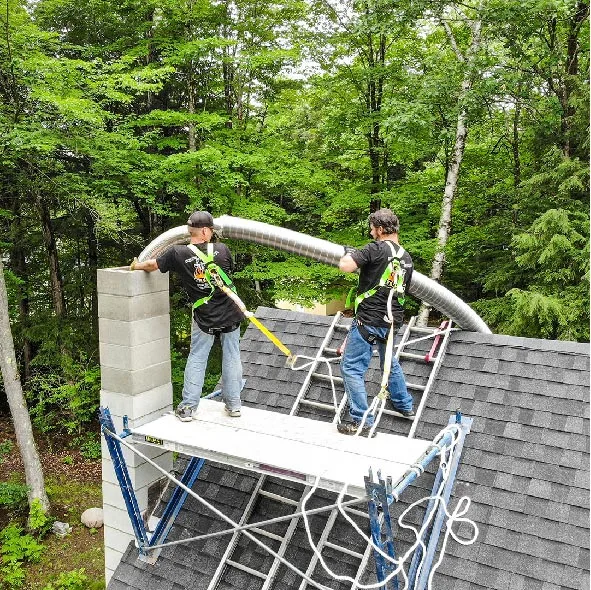
Before you close your chimney flue, you need to schedule a chimney inspection and cleaning. A chimney sweep can clean the flue and fireplace to remove creosote, soot and any debris that could cause blockages or odors in the summer. Also, have your fireplace damper checked to make sure it’s working properly. If you have a gas fireplace, turn off the pilot light to save energy and prevent carbon monoxide buildup.
Chimney Maintenance Myths
There are several myths about keeping your chimney flue open in the summer. One myth is that leaving your flue open will ventilate your chimney. But that will just let humid air in and mix with soot and create even worse odors. Another myth is that warm air rises, so leaving your flue open will let hot air out. However, the operation of other appliances in your home, like air vents and exhaust fans, can reverse the natural updraft and pull outside air into your home instead.
When to Leave the Flue Open
The only time you should leave your flue open is if you have gas logs in your fireplace. The pilot light from the gas fireplace can produce carbon monoxide, which can be dangerous if trapped inside your home. To prevent carbon monoxide poisoning, keep your throat damper or top sealing damper open to allow for proper venting of gases.
FAQs
Q. Should I leave the chimney flue open in summer?
No, it’s best to close the chimney flue in the summer to prevent hot air from getting in your home and making it harder to keep your home cool. Leaving the flue open also lets debris and pests in and can cause odors and moisture buildup.
Q. When do I close a chimney flue?
Close the chimney flue when you’re not using the fireplace, especially in the warmer months. Closing the damper will prevent conditioned air from escaping your home and outside air, as well as pests and debris from getting into the chimney system.
Q. Should the damper be open or closed in summer?
The damper should be closed in summer to prevent warm air from getting in and cold air from escaping your home. That will reduce your air conditioner’s workload and your energy bills and keep the chimney safe and odor-free.
Q. How much heat is lost through an open flue?
An open flue can lose a lot of heat. In the colder months, the open flue lets warm air out, and your home can lose up to 30% of its heat, making your heating system work harder. In the summer, an open flue lets hot air in and raises your indoor temperature and your air conditioner’s workload.
Q. Should I always close my chimney flue during summer?
Yes, if you are not using your fireplace, closing the chimney flue in summer is recommended. It helps prevent hot air, humidity, pests, and odors from entering your home.
Q. Why is my damper important?
The damper helps prevent heat loss in winter, keeps hot air out in summer, and blocks pests, rain, and odors from entering your home.
Q. Should the damper be open or closed when the fireplace is not in use?
The damper should be fully closed when the fireplace is not being used, as long as no gas appliance or pilot light is operating.
Q. Do chimney flues need regular cleaning?
Yes. Creosote, soot, and debris can build up inside the flue and increase fire risk. Annual cleaning is recommended for most homes.
Q. Can a closed damper stop chimney odors?
Yes, if the chimney is clean. Closing the damper helps block outside moisture and air that can cause musty or smoky smells.
Q. Are all chimney dampers the same?
No. There are throat dampers (inside the fireplace) and top-sealing dampers (at the top of the chimney), each offering different levels of efficiency.
Q. Is it safe to close the damper if I have a gas fireplace?
Only if the gas fireplace is completely turned off. If a pilot light is on, the damper must remain open to allow harmful gases to escape.
Q. How often should my damper be inspected?
Your damper should be checked at least once a year during a professional chimney inspection to ensure it opens, closes, and seals properly.
Q. Does closing the chimney flue really save energy?
Yes. A closed flue stops cooled air from escaping, allowing your air conditioner to work more efficiently and reducing energy bills.
Q. Is it safe to close the chimney flue all summer long?
Yes, as long as the fireplace and any gas appliances connected to the chimney are completely turned off.
Q. When should I reopen the chimney flue after summer?
You should reopen the flue before using your fireplace again, usually in fall, and ideally after a professional inspection.
Q. What problems can occur if I skip summer chimney maintenance?
Skipping maintenance can lead to chimney odors, mold growth, pest infestations, rusted components, and costly repairs later.
Q. How often should my chimney be inspected?
Chimneys should be inspected at least once a year, even if the fireplace is not used frequently.
Q. Does leaving the chimney flue open in summer help ventilate the house?
No. An open flue usually allows humid air and outdoor odors into the home, which can worsen indoor air quality.
Q. Is chimney cleaning only necessary after a chimney fire?
No. Chimney cleaning should be done annually to prevent fires, remove creosote buildup, and maintain safe operation.
Q. Is creosote only a problem in winter?
No. Creosote remains in the chimney year-round and can cause strong odors and corrosion during warm, humid months.
Q. Do modern chimneys require less maintenance than older ones?
No. All chimneys, regardless of age, need routine inspections and cleaning to stay safe and functional.
Q. Is a chimney only dangerous when actively in use?
No. Blockages, moisture damage, or nesting animals can create hazards even when the fireplace is not being used.
Conclusion
Closing your chimney flue in the summer is easy and will protect your home, save you energy costs and keep your chimney system in good shape. By closing your damper in the summer, you will prevent hot air, pests and debris from getting in and keep your indoor environment comfortable. Schedule your chimney cleaning and inspection with a GMT Home Services‘ chimney sweep to make sure your chimney is ready for summer and winter.
Save your home and your energy bills by closing your damper and keeping your chimney flue maintained in the warmer months.