Read to find out the health risks of inhaling chimney soot and how to keep yourself and your family safe. Safety tips inside.
Chimney soot, a byproduct of burning wood, may look harmless but the risks to health and safety can’t be ignored. Soot, formed from incomplete combustion, builds up in chimney flues and can be deadly if inhaled or left unchecked. This article will tell you the dangers of soot exposure and how to keep your home and family safe.
What is Chimney Soot?
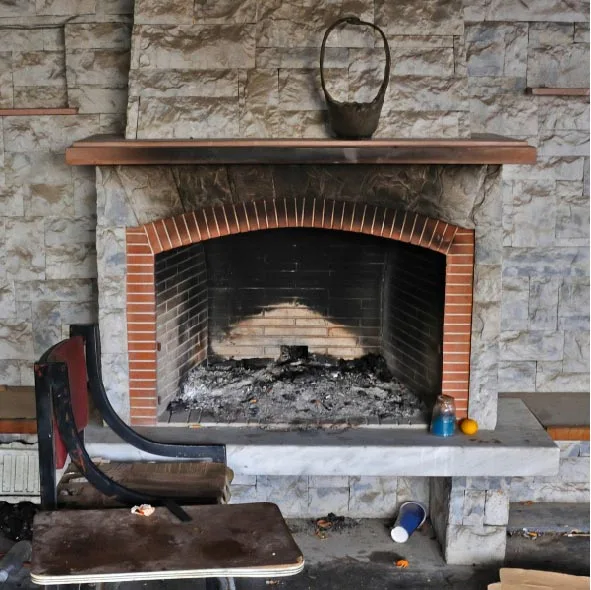
Soot is a sticky, black, greasy powder that forms from poor combustion in fireplaces. Incomplete wood combustion causes soot and creosote to build up in chimney flues which can block airflow and cause safety risks. These byproducts are carried into the air where we can breathe them in and cause respiratory problems and other health issues, highlighting the potential hazards of soot exposure.
Breathing in Soot from Chimneys
Breathing in chimney soot is dangerous for humans, especially when inhaled over a long period, making soot dangerous to our health. Soot particles irritate the respiratory system and can cause coughing, asthma attacks, and allergies. The fine dust can get deep into the lungs and cause heart problems, skin irritation, and even cancer. Poor air quality from soot exposure also increases the risk of chronic health conditions like respiratory diseases and cardiovascular issues.
Carbon Monoxide and Other Hazards
Incomplete combustion in fireplaces doesn’t just produce soot; a fire also produces carbon monoxide, a deadly gas that is odorless, colorless, and silent. Carbon monoxide poisoning can cause flu-like symptoms, confusion, and in severe cases, death. Poorly maintained chimneys or flues make these risks worse by not venting smoke and gases properly.
How to Prevent Soot Buildup with Chimney Maintenance
Chimney maintenance is key to minimizing soot and creosote deposits. Chimney sweeps recommend annual chimney cleaning especially during the colder months when fireplaces are used more frequently. Professional chimney sweeps can inspect and clean flues, remove debris and ensure optimal performance. Proper chimney cleaning reduces the risk of chimney fires and overall home safety.
Why Chimney Caps
Installing a chimney cap is a simple way to prevent debris from entering your chimney. A cap keeps out dust, water and animals and improves ventilation and reduces soot buildup. By ensuring cleaner airflow, chimney caps keep your fireplace efficient and minimize exposure to byproducts.
The Hidden Risks of Soot Exposure
Soot is more than just a hassle – it’s a danger to your body and home. Prolonged exposure can irritate your skin and eyes, aggravate asthma and increase the risk of cancer. The particles in soot can be carried through the air and inhaled and pose risks to short term and long term health. To keep your family safe, soot deposits must be addressed and chimney functionality maintained.
Fireplace Safety and Maintenance Tips
- Keep your fireplace safe and maintained.
- Clean regularly: Annual chimney cleaning to remove soot and creosote deposits.
- Inspect flues: Have professionals check for cracks, blockages or structural damage.
- Burn seasoned wood: Burning dry wood reduces smoke and byproducts.
- Open damper: Keep the damper open and consider cracking a window to improve airflow.
- Install a chimney cap: Protect your chimney from debris and improve ventilation.
Why You Need Professional Chimney Sweeps
Chimney sweeps are key to keeping your fireplace safe and efficient. They can identify hazards like blocked flues or poor combustion and recommend solutions. By keeping your chimney clean and functioning properly, chimney sweeps reduce risks to your health and home.
FAQs
Q. Is Chimney Soot Toxic?
Yes, chimney soot is toxic. It contains fine particles that can cause respiratory and cardiovascular problems and increase the risk of cancer with prolonged exposure.
Q. What happens if you inhale chimney soot?
Inhaling chimney soot can irritate your respiratory system, cause coughing, shortness of breath and aggravate asthma. Prolonged exposure can lead to chronic respiratory diseases, heart problems and other serious health issues.
Q. What to do if you inhale soot?
If you’ve inhaled soot move to fresh air immediately. Monitor for symptoms like coughing, dizziness or shortness of breath. Seek medical attention if symptoms persist or get worse.
Q. Can the smell of soot be harmful?
Yes, the smell of soot is harmful as it means airborne particles that can irritate the respiratory system. Prolonged exposure to these particles can be risky especially for those with pre-existing conditions like asthma.
Q. Can chimney soot make allergies or asthma worse?
Yes. Soot particles can trigger asthma attacks and allergy symptoms, especially in children, the elderly, and people with respiratory conditions.
Q. How do I know if soot is affecting the air quality in my home?
Common signs include smoky odors, black dust near vents or the fireplace, coughing, or eye irritation when the fireplace is used.
Q. Can soot exposure cause long-term health problems?
Long-term exposure has been linked to chronic respiratory issues, heart problems, and increased cancer risk due to fine particulate matter.
Q. Is chimney soot the same as creosote?
No. Soot is a dry black powder, while creosote is sticky and highly flammable. Both are dangerous and often form together.
Q. Why does soot build up in my chimney?
Soot builds up due to poor airflow, burning wet or unseasoned wood, low-temperature fires, or blocked flues.
Q. Can soot form even if I don’t use my fireplace often?
Yes. Even occasional fires can leave residue, and unused chimneys can trap dust, moisture, and animal debris that contribute to soot buildup.
Q. How can I tell if there is soot in my chimney?
Common signs include black residue around the fireplace, smoky smells, poor draft, or dark dust falling into the firebox.
Q. Does soot always mean something is wrong with my chimney?
Not always, but visible soot usually indicates inefficient burning or airflow issues that should be checked.
Q. How often should soot be removed from a chimney?
Most chimneys should be cleaned at least once a year, or more often with heavy use.
Q. Can soot damage my chimney over time?
Yes. Soot traps moisture, which can weaken masonry, liners, and metal components.
Q. Is chimney soot visible during a standard inspection?
Yes. Professional inspections can easily identify soot levels and determine if cleaning or repairs are needed.
Q. How does chimney soot get into indoor air?
Soot enters living spaces through poor draft, blocked flues, damaged liners, or improper fireplace use.
Q. How can I protect my family from breathing in chimney soot?
Schedule regular chimney cleanings, burn seasoned wood, ensure proper ventilation, install chimney caps, and use carbon monoxide detectors.
Q. Is carbon monoxide only a risk with gas fireplaces?
No. Wood-burning, gas, pellet stoves, and oil systems can all produce carbon monoxide if combustion is incomplete.
Q. How often should carbon monoxide detectors be checked?
They should be tested monthly and batteries replaced at least once a year.
Q. What is the best way to prevent soot buildup in a chimney?
The most effective way is regular professional chimney cleaning, combined with proper fireplace use and good airflow.
Q. Do chimney inspections help prevent soot problems?
Yes. Inspections identify draft issues, blockages, and structural damage before soot buildup becomes severe.
Q. Are chimney caps necessary for all types of chimneys?
Most chimneys benefit from caps, including wood, gas, and pellet-burning systems, because all can be affected by debris and moisture.
Q. How long does a chimney cap last?
High-quality caps can last 10–20 years or more, depending on material and weather conditions.
Q. How do I know if I need a chimney cap?
If your chimney is exposed to rain, animals, debris, or downdrafts, installing a cap is highly recommended for safety and efficiency.
Act Now
Inhaling soot from chimneys is a serious health risk but with regular maintenance, proper burning and professional chimney sweeps you can enjoy your fireplace safely. Don’t let soot and smoke compromise your home’s air quality or your family’s health. Get your chimney cleaned today to reduce risks and increase efficiency.
Call GMT Home Services for chimney cleaning and maintenance. Our certified chimney sweeps will keep your fireplace safe, efficient and hazard free.