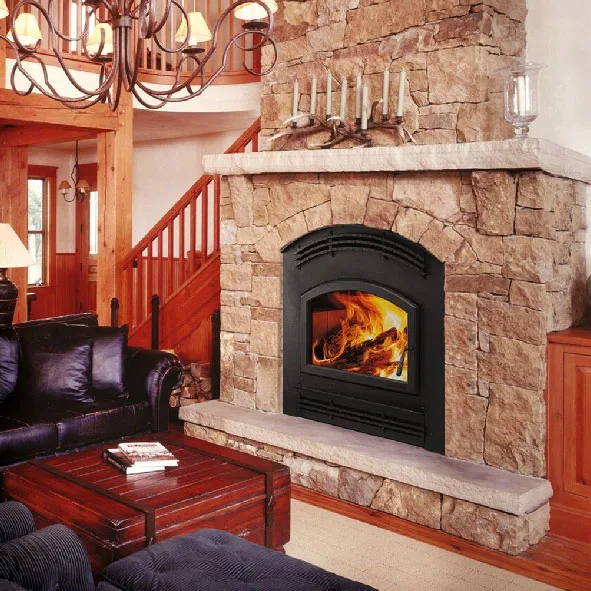
There’s nothing like the warmth of a crackling fire on a cold night. But fireplaces bring responsibility—especially when it comes to chimney maintenance. A dirty chimney isn’t just an eyesore; it’s a fire hazard. Let’s talk about why dirty chimneys are dangerous and what you can do to stay safe. Creosote, a highly combustible by-product of burning wood, can build up inside chimneys as black or brown residue. This residue can take various forms, including crusty, flaky, tar-like, drippy, sticky, or shiny and hardened. Regular chimney maintenance is crucial to prevent dangerous chimney fires.
Chimney Fires and Creosote Buildup
Chimney fires are a big deal. A high internal flue temperature can contribute to creosote buildup, a byproduct of incomplete wood combustion. They are often caused by creosote buildup, a byproduct of incomplete wood combustion. Unburned wood particles are another byproduct of incomplete wood combustion that contributes to creosote buildup. This buildup accumulates in the chimney flue and can restrict airflow and ignite a fire. Each year, thousands of homes have chimney fires due to neglected maintenance, resulting in costly damages and safety hazards.
The National Fire Protection Association (NFPA) says regular chimney cleaning and inspections are crucial to prevent fires. Ignoring regular maintenance increases the chances of a chimney fire, so we need to be proactive. A chimney fire can damage the chimney itself and spread to nearby combustible parts of your home, so prevention is key.
Chimney Maintenance and Inspection
Clean chimneys don’t catch fire, so maintenance is key to safety. To ensure proper function, have your solid fuel venting system inspected annually by a Chimney Sweep. These guys are trained to find and fix creosote buildup, structural issues, and airflow blockages.
Follow your sweep’s recommendations for maintenance and repairs and you’ll keep your chimney and venting system safe and efficient. Regular inspections can also detect signs of previous chimney fires even if you didn’t see the fire. Proper maintenance means a safer, more efficient system and less fire risk.
Chimney Safety
Keep tree branches and leaves at least 15 feet away from the chimney to prevent debris accumulation and airflow obstruction. A cooler chimney can lead to condensation, causing creosote buildup, which is highly combustible and can result in dangerous fires if not properly maintained.
Install a chimney cap to keep out animals and debris while maintaining the air supply proper ventilation. As smoke and gases exit the fireplace or wood stove into the relatively cooler chimney, condensation forms, leading to the buildup of creosote on the chimney walls, which can be highly combustible if not managed properly.
Burn only well-seasoned wood that has been split and dried for at least six months in a covered, elevated storage area to minimize creosote buildup.
Never burn Christmas trees or treated wood in your fireplace or wood stove as they release nasty chemicals and accelerate creosote accumulation.
Use a stove damper to keep wood fuel fires control airflow and prevent uncontrolled chimney fires.
Wood Stove Safety and Tips
- Always put firewood or firelogs at the back of the fireplace on a grate to ensure proper airflow.
- Start fires with kindling or commercial firelighters—never with flammable liquids, as they can cause sudden flares.
- Keep all combustible materials at least 36 inches away from the fireplace or wood stove to prevent accidental ignition. Burning unseasoned wood can lead to excess smoke and lower temperatures, which promotes the buildup of creosote in chimneys, posing a fire hazard.
- Use glass doors to contain sparks and embers and prevent stray flames from escaping into the room.
- Keep the hearth area clear of flammable materials to ensure good ventilation and prevent accidental fires.
Professional Chimney Sweep Help and Resources
To ensure your chimney is safe have it inspected annually by a Chimney Sweep following CSIA guidelines. They are experts in chimney safety and can prevent hazards.
When choosing a professional, look for a Chimney sweep with experience in chimney and venting systems. For more chimney fire prevention resources, check with your local fire department or the National Fire Protection Association (NFPA). Consider hiring a professional chimney sweep, who adheres to the National Chimney Sweep Guild (NCSG) or the Massachusetts Chimney Sweep Guild (MCSG) for added peace of mind. Regular maintenance and inspections are the best investment in keeping your home safe from chimney fires.
Do you need a chimney sweep? Contact GMT Home Services today to schedule an inspection and prepare your fireplace for use.
FAQs
Q. How do I make sure my chimney is safe to burn?
Have your chimney inspected and cleaned annually by a Chimney Sweep. Burn only well-seasoned wood, use a chimney cap, and check for creosote buildup regularly.
Q. At what temperature will creosote ignite?
Creosote can ignite at temperatures as low as 451°F, but thick deposits can catch fire at around 1,000°F.
Q. What are the requirements for a chimney for a wood-burning fireplace?
A chimney must be properly lined, have adequate height for draft, include a chimney cap, and comply with local building codes. It should also be inspected yearly to ensure safety.
Q. How do you prevent chimney fires?
Regular chimney inspections, burning seasoned wood, maintaining proper airflow, using a chimney cap, and cleaning creosote buildup help prevent chimney fires.
Q. How often should a chimney be cleaned?
Most chimneys should be cleaned at least once a year, or sooner if you burn wood frequently. If creosote buildup reaches 1/8 inch or more, cleaning is recommended immediately.
Q. What are the warning signs of a chimney fire?
Signs include loud cracking or popping noises, dense smoke, strong burning smells, vibrating chimney walls, or flames shooting from the chimney top. Even small chimney fires can cause hidden damage.
Q. Does burning more wood increase the risk of chimney fires?
Yes. Frequent burning, especially with poor airflow or wet wood, increases creosote accumulation and raises the risk of a chimney fire.
Q. How often should creosote be removed?
Creosote should be removed whenever it reaches 1/8 inch thick. Most chimneys need cleaning at least once a year.
Q. How can I reduce creosote buildup naturally?
You can reduce creosote by:
- Burning well-seasoned wood
- Maintaining good airflow
- Avoiding slow, smoldering fires
- Scheduling regular chimney cleanings
Q. Is professional chimney cleaning really necessary?
Yes. Professional chimney sweeps have the tools and training to safely remove creosote and identify hidden fire damage.
Q. How often should I have my chimney inspected?
Your chimney should be inspected at least once a year, even if you don’t use your fireplace often. Annual inspections help catch hidden damage and fire hazards early.
Q. Do I need a chimney inspection if I haven’t used my fireplace?
Yes. Animals, moisture, debris, and structural damage can occur even when the fireplace isn’t in use, making inspections essential.
Q. What happens if I skip chimney maintenance?
Skipping maintenance increases the risk of chimney fires, carbon monoxide leaks, smoke backup, costly repairs, and reduced fireplace efficiency.
Q. What are the signs that my chimney needs inspection or cleaning?
Common signs include:
- Smoke entering the room
- Strong odors from the fireplace
- Poor draft
- Black residue or flakes in the firebox
- Visible cracks or loose bricks
Q. What is a Level 1, Level 2, and Level 3 chimney inspection?
- Level 1: Basic inspection for regularly used systems
- Level 2: More detailed inspection, often using cameras
- Level 3: Required when serious damage is suspected
Q. What are the biggest chimney safety risks?
The most common risks include creosote buildup, chimney fires, blocked flues, cracked liners, moisture damage, and carbon monoxide leaks.
Q. How can I tell if my chimney is unsafe?
Warning signs include smoke entering the room, strong odors, poor draft, black residue, loose bricks, or strange noises when the fireplace is in use.
Q. How often should I check my chimney for safety issues?
You should visually check it regularly and have a professional inspection at least once a year.
Q. What type of wood is safest to burn?
Only burn well-seasoned, dry hardwood. Wet or green wood produces excess smoke and creosote, increasing fire risk.
Q. When should I stop using my wood stove and call a professional?
If you notice smoke leaks, strange odors, poor draft, visible damage, or suspect a chimney fire, stop using the stove and call a professional immediately.