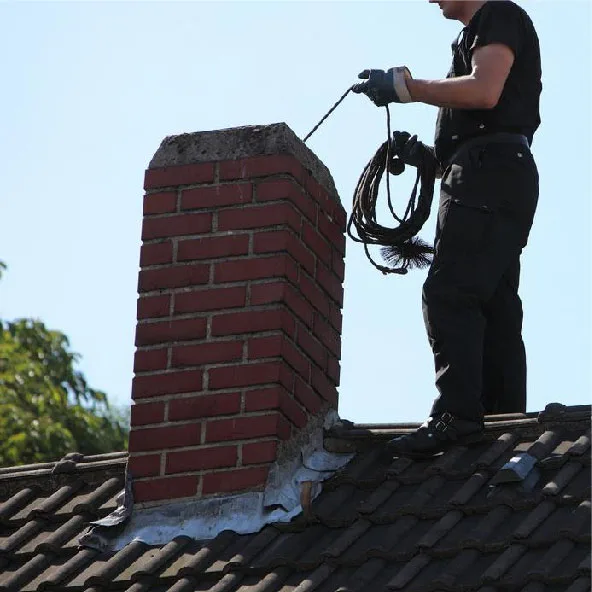
Chimney sweeping is a crucial home maintenance task that ensures the safety, efficiency, and longevity of your fireplace system. Whether you have a wood burning fireplace, a pellet stove, or a gas fireplace, keeping your chimney clean is essential to avoid chimney fires, creosote buildup, and costly repairs. However, many homeowners are unsure about how much they should expect to pay for chimney sweep services and what factors influence the cost of chimney cleaning. Regular maintenance, including an annual chimney inspection and annual cleanings, is recommended by organizations like the National Fire Protection Association and the Chimney Safety Institute of America to prevent significant issues and expenses. In this blog, we will break down the various aspects of chimney cleaning costs and what you can expect when hiring a professional chimney sweep.
Factors That Affect the Price for Chimney Sweep Services
The price for chimney sweep services can vary significantly depending on several factors. Understanding these factors can help you make an informed decision and avoid any unexpected costs. Chimney sweep costs vary based on factors like the level of cleaning required and accessibility challenges.
Type of Fireplace and Chimney
The type of fireplace or heating system you have will have a direct impact on the chimney sweep cost. For example:
Wood burning fireplaces typically require more frequent cleaning because they accumulate creosote faster, which is a highly flammable substance that can lead to dangerous chimney fires. This may result in more intensive cleaning, thus increasing the cost.
Pellet stoves or gas fireplaces generally require less frequent cleaning since they produce less soot and creosote, which can lower the chimney cleaning costs.
Single flue chimneys are typically less expensive to clean compared to multi-flue chimneys, as there is less cleaning and inspection involved.
Wood stove maintenance also impacts cleaning costs, as these stoves can produce significant creosote buildup requiring regular cleaning.
Chimney Liner and Flue Condition
The condition of your chimney liner and chimney flue is another major factor in determining chimney cleaning prices. If your chimney liner is damaged or if there are obstructions in the flue, it may require extra time and labor to clean it properly. If any repairs are necessary to ensure safe operation, this will add to the total chimney cleaning costs. It is important to have the chimney inspected before cleaning to assess its condition and determine necessary actions.
Chimney Sweep Services Varies
Chimney sweep services vary in scope and price depending on the level of service provided. The typical chimney cleaning service includes sweeping the chimney to remove soot and debris. However, many companies also offer chimney inspection services, which may include checking for structural damage, cracks, or issues that could cause future problems. The type of inspection can affect the price:
Basic Inspection: This is usually part of the standard chimney sweep service and involves checking the chimney for visible blockages, soot, and creosote buildup.
Level Two Inspection: A more detailed inspection that may involve using a camera to look inside the chimney flue to detect any damage or obstructions.
Level Three Inspection: The most thorough inspection, which may require dismantling parts of the chimney to check for underlying issues.
The price for a chimney inspection varies depending on the level of service, with Level Three inspections being the most expensive. A typical chimney sweeping service includes a basic checkup to assess the chimney’s structure and buildup.
Location of Your Home
Your location can play a significant role in determining the chimney sweep price. In areas with a higher cost of living or where chimney sweepers are in high demand, you may find that the price for chimney sweep services is higher. On the other hand, in rural areas with fewer chimney sweepers, you may see lower prices. Multi-story houses can create access challenges that may increase service prices.
Additional Services
Many chimney cleaning services also offer additional services that can increase the total cost. These services include:
Chimney cap installation: A chimney cap helps prevent debris, rain, and animals from entering your chimney, and it’s a smart investment to avoid costly repairs. If your chimney does not have a cap, the installation of one could add to the chimney sweep cost.
Dryer vent cleaning: Dryer vent cleaning is another essential service to ensure your dryer operates efficiently and safely. If you have a dryer vent that connects to your chimney, the dryer vent cleaning service may be offered alongside chimney sweeping.
Repairs: If the inspection reveals issues such as structural damage, cracks in the chimney liner, or a faulty fireplace damper, the repair work will add to the total cost. These repairs may involve the use of specialized tools and materials, which can increase the overall price. The costs and processes involved to install various chimney components, such as caps and liners, can also add to the total expense.
Average Cost of Chimney Sweep Services
While chimney sweep prices can vary, here are some general guidelines to help you understand the typical costs:
Basic Chimney Sweep: The cost for a basic chimney sweep ranges from $150 to $250, depending on factors such as the type of fireplace, chimney condition, and your location. This service typically includes cleaning the chimney flue, removing creosote, and clearing any soot or debris. The duration of a cleaning service typically takes an hour or two.
Chimney Inspection: A basic chimney inspection usually costs between $100 and $200, though it may be bundled with the chimney sweep service. Level Two or Level Three inspections may cost an additional $200 to $500, depending on the complexity of the inspection and whether a camera is used to inspect the chimney’s interior. It is important to have the chimney cleaned regularly to prevent hazards.
Chimney Repairs: If repairs are needed, you can expect to pay anywhere from $200 to $1,000 or more, depending on the severity of the issue. Common repairs include chimney liner replacements, fireplace damper repairs, or flue cleaning. The range of costs for different types of repairs can vary significantly.
Chimney Cap Installation: Installing a chimney cap typically costs between $150 and $300, depending on the type of cap and the size of your chimney. The job of installing a chimney cap can be complex and challenging, requiring professional expertise.
Why Regular Chimney Sweeping is Essential
While the price for chimney sweep services may seem like an unnecessary expense, it’s a small price to pay for the safety and efficiency it provides. Here are some of the benefits of regular chimney sweeping and inspections:
Prevention of Chimney Fires: Creosote is a highly flammable substance that builds up in chimneys when burning wood or other fuels. If left unchecked, creosote buildup can ignite, leading to dangerous chimney fires. Regular cleaning helps reduce this risk. It is crucial to have your chimney cleaned to prevent fire hazards.
Improved Airflow: A clean chimney ensures that smoke and gases are properly vented out of your home. A blocked chimney can cause dangerous smoke to enter your living space. Chimney caps play a significant role in maintaining proper airflow by preventing debris from entering the chimney.
Increased Efficiency: A well-maintained chimney allows your heating system to function more efficiently, potentially lowering your energy bills and improving comfort in your home. Professional cleaning is beneficial for more severe cleaning needs, ensuring thorough maintenance.
Enhanced Safety: Regular inspections by certified professionals can help identify cracks, blockages, and other issues that may pose a safety risk. This helps protect your family from potential hazards such as house fires or carbon monoxide leaks. Adhering to the National Fire Protection Association guidelines for chimney inspections and maintenance is essential for enhanced safety.
Regular maintenance, including annual cleanings and annual chimney inspection, is especially important for those who use their fireplace frequently. This helps prevent build-up and ensures safety.
Scheduling chimney cleaning services during spring and summer is ideal. These seasons are considered slow for chimney sweeps, often offering discounts and promotions, making it an opportune time for maintenance.
FAQs
Q. How can I reduce the cost of chimney maintenance long-term?
- Use seasoned hardwood
- Install a high-quality chimney cap
- Avoid burning trash or wet wood
- Schedule annual inspections
These reduce creosote buildup and prevent expensive repairs.
Q. What’s included in a typical chimney sweep visit?
Most services include:
- Flue cleaning
- Inspection for cracks or damage
- Creosote removal
- Chimney cap check
- Masonry assessment
- Smoke chamber cleaning
Always ask what’s included—every company is different.
Q. Why do I need a chimney cap, and is it worth the added cost?
Yes, it’s worth it. A chimney cap keeps out animals, rain, debris, and sparks. It protects your liner, prevents blockages, and reduces future cleaning costs.
Q. What warning signs indicate my chimney needs immediate attention?
- Strong campfire-like odor
- Smoke returning into the room
- Black soot around the fireplace
- Slow-burning or difficult fires
- Strange noises (birds, animals)
- White or crumbling exterior brick
Q. Does the type of fireplace matter?
Absolutely. Wood-burning fireplaces, pellet stoves, gas fireplaces, and wood stoves all require different cleaning methods, which can influence pricing.
Q. Why does the type of fireplace matter for chimney maintenance?
Different fireplaces produce different levels of heat, soot, and residue. This changes how often they need cleaning and what tools are required.
Q. Are gas fireplaces safer since they burn clean?
Gas fireplaces produce less residue, but they still need yearly inspections to check for blockages, leaks, and ventilation issues.
Q. How does the chimney type affect maintenance needs?
Clay tile, stainless steel, and cast-in-place liners all have different durability levels and cleaning requirements, which influence cost and inspection frequency.
Q. How do I know if my chimney liner is damaged?
Common signs include crumbling clay tiles, visible cracks, falling debris, poor draft, smoke backup, or unusual odors when using the fireplace.
Q. How often should the chimney liner be inspected?
Experts recommend a full inspection at least once a year, even if you don’t use your fireplace often.
Q. What types of chimney liners are available?
Common options include clay tile liners, stainless steel liners, aluminum liners, and cast-in-place liners.
Q. Which chimney liner lasts the longest?
Stainless steel liners usually offer the best durability and are resistant to corrosion and heat.
Q. Is chimney cap installation worth the extra cost?
Yes. A chimney cap prevents rain, animals, debris, and downdrafts from entering your chimney—saving money on future repairs.
Q. Why is regular chimney sweeping important?
Because it removes creosote, soot, and blockages that can cause chimney fires, carbon monoxide issues, and poor airflow.
Q. How often should I have my chimney swept?
Most experts—including the NFPA—recommend annual sweeping and inspection, especially for wood-burning fireplaces.
Conclusion
When it comes to chimney cleaning, the price you pay is well worth the investment in your home’s safety and efficiency. A comprehensive chimney sweeping service and professional cleaning are crucial for maintaining safety and efficiency. By understanding the factors that influence chimney sweep prices, such as the type of fireplace, chimney condition, and additional services, you can make an informed decision when hiring a professional chimney cleaner.
Hiring chimney sweeps offers significant benefits over attempting diy cleaning methods, as professionals can handle complex issues and ensure thorough cleaning. Neglecting regular maintenance can lead to a high cost, especially in multi-story houses where access is more challenging. It is essential to have your chimney inspected regularly to prevent emergency situations. Be sure to request quotes from certified chimney sweepers, as the range of costs for different chimney services can vary significantly. Don’t skip on regular cleanings and inspections to protect your home and loved ones from the dangers of chimney fires and other hazards.