“A roaring fire, a starry night, and good company—there’s nothing better for the soul.”
Imagine a crisp fall evening, the glow of your outdoor fireplace flickering as you unwind in your outdoor living space. Sounds perfect, right? But have you ever wondered what makes that fireplace function efficiently, keeping the smoke moving up and out rather than lingering around you?
That’s where the outdoor fireplace flue comes in. It’s the unsung hero of your fireplace structure, responsible for directing smoke, regulating airflow, and keeping everything running smoothly. Choosing the right flue isn’t just about safety—it also impacts the heat, efficiency, and longevity of your fireplace.
So, if you’re planning to install a wood-burning fireplace or upgrade your existing one, let’s break it all down—flue types, placement, sizing, and the must-know details to create the perfect outdoor ambiance.
Why the Right Flue Matters for Your Outdoor Fireplace
The flue is what allows smoke to escape while maintaining proper airflow inside the firebox. Without the right chimney flue, you might deal with:
- Smoke blowing back into your seating area instead of going up and out.
- Poor heat efficiency, making it harder to keep your space warm.
- Increased moisture buildup, leading to long-term damage.
Unlike indoor fireplaces, outdoor ones face extra challenges—wind, rain, debris, and temperature fluctuations. That’s why choosing the right flue is critical for both performance and long-lasting enjoyment.
Types of Outdoor Fireplace Flues: Which One is Best?
Not all flues are created equal. Your choice depends on the fireplace material, local building codes, and overall design. Here’s a look at the most common options:
1. Refractory Ceramic Flue Liners – The Classic Choice
If you have a masonry fireplace, a refractory ceramic flue is a great choice. It holds up against high temperatures, resists cracking, and provides excellent insulation. However, it needs proper installation and maintenance to stay in top shape.
Best for: Brick or stone fireplaces that blend with your patio or backyard.
2. Stainless Steel Flues – Modern and Weatherproof
Want a low-maintenance, rust-resistant option? A stainless steel flue is an excellent choice for withstanding harsh outdoor elements. It’s lightweight, durable, and works well with both wood-burning and gas fireplaces.
Best for: Homeowners looking for durability with minimal upkeep.
3. Clay Tile Flues – Budget-Friendly but Fragile
Common in masonry chimneys, clay tile flues are affordable but require regular maintenance. Since outdoor fireplaces are exposed to weather extremes, these flues can crack over time.
Best for: Permanent fireplace structures that match classic architectural elements.
4. Double-Walled Flues – Maximum Heat Retention
If you want top-notch heat efficiency, a double-walled flue is the way to go. It prevents heat loss, maintains a steady airflow, and ensures the proper draw for better combustion.
Best for: Larger fireplace structures that require more controlled heat flow.
Getting the Right Flue Size: Why It Matters
Here’s a hot tip—flue size matters just as much as the material.
If your flue is too small, smoke will struggle to escape. If it’s too large, you’ll lose heat and efficiency. The key is balancing the firebox opening with the flue size.
A general rule: The flue opening should be one-tenth the size of your firebox opening.
For example:
A 36-inch-wide firebox needs a flue at least 8 inches in diameter.
Always check sizing charts to match your chimney height with the right flue dimensions.
And don’t forget—before you start your installation project, check local zoning regulations. Your local city planning office may have specific minimum area requirements for outdoor fireplaces.
Where Should You Place Your Outdoor Fireplace?
You’ve chosen the right flue, but have you thought about placement?
A poorly placed outdoor fireplace can send smoke straight into your deep seating area instead of up through the chimney flue. Here’s what to consider:
- Check the prevailing winds – Place the firebox opening so that wind doesn’t blow smoke into your outdoor space.
- Consider adjacent structures – Keep it away from siding, decks, and wooden furniture to prevent sparks from causing damage.
- Plan your walk-about pathways – Leave enough space between the fireplace and seating areas for movement and safety.
- Use furniture templates – Arrange your patio furniture so that guests stay cozy without sitting too close to the firebox.
Must-Have Safety Features for Your Outdoor Fireplace
While style is important, safety is non-negotiable. Protect your outdoor space with these essential fireplace components:
Spark Arrestor – A metal screen mesh device that prevents sparks from escaping.
Smoke Shelf – Helps with the proper draw and prevents downdrafts.
Damper – Controls airflow, keeping your fireplace efficient when not in use.
Installing these features ensures your fireplace stays both functional and safe for years to come.
Make It Stylish: Decorative Options for Outdoor Fireplaces
Once your outdoor fireplace flue is set up, it’s time to add some personality! Whether you’re aiming for modern elegance or rustic charm, consider these decorative options:
Stucco finishes – A smooth, sleek look for a Mediterranean-style fireplace.
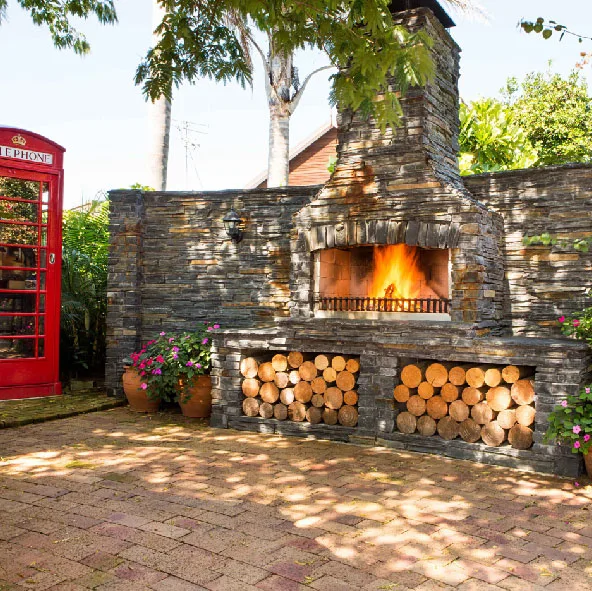
Stone or brickwork – Classic, durable, and great for long-lasting enjoyment.
Deep seating areas – Arrange furniture around the hearth for a cozy, inviting space.
Garden integration – Blend your fireplace with your landscape for a seamless outdoor retreat.
Final Thoughts: Get the Best Flue for Your Outdoor Fireplace
Choosing the right outdoor fireplace flue isn’t just about picking a material—it’s about ensuring proper airflow, protecting against the elements, and enhancing heat efficiency.
FAQs
Q. Why is the flue important for outdoor fireplaces?
The right flue improves airflow, enhances heat efficiency, prevents smoke backup, and protects the structure from moisture damage. Outdoor fireplaces especially need a durable flue due to exposure to weather and temperature changes.
Q. What type of flue is best for an outdoor fireplace?
It depends on your fireplace design:
- Refractory ceramic liners – great for brick/stone fireplaces, heat-resistant and insulating.
- Stainless steel flues – durable, rust-resistant, and ideal for harsh weather.
- Clay tile flues – budget-friendly but prone to cracking outdoors.
- Double-walled flues – best for heat retention and efficient airflow.
Q. Can choosing the wrong flue cause damage?
Absolutely. A poorly chosen or installed flue can lead to:
- Moisture buildup
- Rust and internal deterioration
- Smoke stains
- Reduced lifespan of the fireplace structure
Q. Which flue type lasts the longest in outdoor environments?
Stainless steel typically outperforms other materials outdoors because it resists rust, corrosion, and moisture damage.
Q. What flue is best for windy or exposed outdoor areas?
A double-walled stainless-steel flue is often the best choice. Its insulation helps maintain draft even in windier environments.
Q. What is the general rule for sizing a flue?
A common guideline is:
The flue opening should be at least one-tenth the size of the firebox opening.
This ratio helps maintain proper draft and air movement.
Q. How do I calculate the right flue size for my firebox?
Measure the firebox opening (height × width) and choose a flue that’s roughly 10% of that area. Many manufacturers provide flue sizing charts that match firebox dimensions with appropriate flue diameters.
Q. How do I know if my current flue is improperly sized?
Common signs include:
- Smoke blowing toward seating areas
- Difficulty keeping the fire lit
- Excess soot or creosote buildup
- Fire not generating enough heat
- Noticeable downdrafts
Q. Do outdoor fireplaces need chimney caps?
Yes. A chimney cap protects the flue from rain, snow, leaves, and nesting animals. It also helps prevent downdrafts and improves overall draft performance.
Q. Is regular maintenance a safety feature?
Yes. Annual inspections, clearing debris, checking flue integrity, and cleaning the firebox are essential safety practices that prevent hazards and extend the life of your fireplace.
Q. Do gas outdoor fireplaces need safety features too?
Yes. Even gas fireplaces require:
- Shutoff valves
- Proper ventilation
- Weatherproof ignition systems
- Heat shields
- Regular inspections for leaks
Q. How far should combustible materials be from the fireplace?
Keep wood furniture, cushions, pergolas, siding, and plants a safe distance away—typically 3–10 feet, depending on local codes and the intensity of the fireplace.
A professional installer can help match the best flue to your setup.
Q. Why is the flue even more important for outdoor fireplaces compared to indoor ones?
Outdoor fireplaces are exposed to:
- Rain and snow
- Temperature swings
- Wind gusts
- Debris and wildlife
The right flue combats these external factors and maintains consistent performance.
Q. Can I customize the look of my outdoor fireplace after installing the flue?
Absolutely. Common decorative finishes include:
- Stucco
- Stone veneer
- Brick
- Integrated seating
- Landscaping elements
These enhance style without affecting flue performance.
Q. Who can help me select and install the right flue?
Professional fireplace and chimney service providers—like GMT Home Services—can assist with:
- Flue selection
- Proper sizing
- Code compliance
- Full installation and inspection
Here’s a quick recap:
Choose the right material – Refractory ceramic, stainless steel, or double-walled flues work best outdoors.
- Size it correctly – Use sizing charts to match your firebox opening.
- Follow local building codes – Always check local zoning before starting your project.
- Optimize placement – Consider wind direction, adjacent structures, and seating arrangements.
If you’re planning an outdoor fireplace project, GMT Home Services is here to help. Our team specializes in fireplace installation, chimney flues, and outdoor heating solutions. Contact us today for expert guidance and a cozy, efficient outdoor space!