Chimney flue replacement cost typically ranges from about $1,200 to $4,600 nationwide, depending on your chimney type, liner material, and how much damage is present; stainless steel liners usually cost more than clay flue tiles.
‘A chimney flue is the channel inside your chimney that directs smoke, gases, and creosote safely out of your home.’
If you’re a Connecticut homeowner or small business owner comparing repair options, that price matters because a cracked, rusted, or severely damaged flue can let carbon monoxide into the building, raise the risk of chimney fires, and lead to bigger repair bills if you wait.
Key Takeaways:
- Chimney flue replacement is necessary when there are cracks, missing tiles, or significant damage that compromises safety.
- Warning signs include cracks in masonry, excessive soot or creosote buildup, water stains, rust on dampers, and visible exterior damage.
- Common liner types include clay flue tiles, stainless steel liners, and cast-in-place liners, each with different durability and cost.
- Repair options range from minor tile replacement to full relining with insulated stainless steel liners.
- Regular maintenance, including annual chimney sweep and inspections, is crucial to prevent fire hazards and costly repairs.
- Professional chimney inspections, often including Level 2 video inspections, help detect early damage and ensure chimney meets safety standards.
- Proper chimney cap and flashing maintenance protect the chimney from water intrusion where the chimney meets the roof.
- Timely repairs preserve the chimney’s structural integrity and reduce the risk of carbon monoxide exposure and fire hazards.
- DIY liner kits are available but professional installation is recommended for safety and compliance with NFPA 211 standards.
- Understanding these factors helps homeowners make informed decisions about chimney flue replacement cost and maintenance.
What happens when a Chimney Flue is Damaged?
- Chimney Fires: Common causes include cracked flue tiles, damaged mortar joints, and creosote buildup in the flue walls.
- Carbon Monoxide Exposure: A damaged chimney flue can allow carbon monoxide to enter the building, posing serious health risks.
- Structural Weakening: Weather, thermal stress, and small chimney fires can weaken the structure of the chimney, including the flue and metal chimney liner. Crumbling mortar can lead to further structural damage.
- Costly Repairs: Damage left unchecked can lead to expensive repairs or the need for extensive chimney work.
- Early Damage Detection: A professional chimney inspection can detect early signs of damage like small cracks in the flue tile or flue walls before they escalate into larger repairs.
Signs of a Damaged Chimney Flue or Smoke Chamber
- Cracks in the masonry chimney.
- Missing or cracked tiles.
- Broken flue tiles.
- Excessive soot or creosote buildup in the smoke chamber.
- Water stains on walls near the chimney suggest leaks.
- Rust on the damper.
- Visible cracks and white staining on the exterior masonry.
- Cracked chimney flue, leaking chimney or damaged chimney cap, and leaking chimney crown.
- Damaged bricks that allow moisture intrusion, leading to chimney problems and the seepage of poisonous gases or carbon monoxide into the home.
Ignoring these signs can result in extensive chimney repairs or the need to rebuild part of the chimney stack. Professional repair, including specialized chimney liner repair services, is crucial to prevent dangerous gases and other risks.
Signs of aged Chimney Flue or Smoke Chamber
- Cracks in the masonry chimney
- Missing or cracked tiles
- Broken flue tiles
- Excessive soot or creosote buildup in the smoke chamber
- Water stains on nearby walls
- Rust on the damper
- Visible cracks and white staining on the exterior masonry
- Cracked chimney flue
- Leaking chimney or damaged chimney cap
- Leaking chimney crown
- Damaged bricks allowing moisture intrusion
- Poisonous gases or carbon monoxide seeping into the home, especially if the flue lacks a properly ventilated chimney cap with good airflow
Ignoring these signs can lead to extensive chimney repairs or chimney stack rebuilding. Professional repair is crucial to prevent dangerous gases and other risks, and in some cases homeowners may consider permanently closing an unused chimney instead of investing in major rebuilds.
Types of Chimney Liners: What to Choose
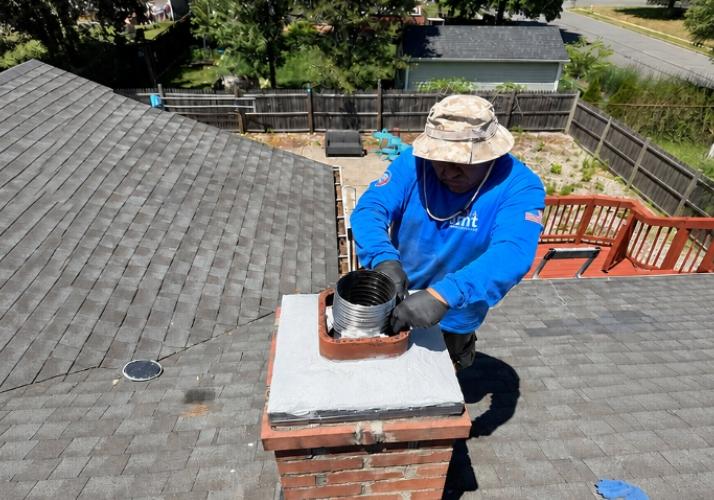
When replacing a chimney liner, also called a flue, homeowners have a choice between flue liner materials such as aluminum and stainless steel, with the main options here being:
Clay Flue Tiles
Clay tiles are the affordable option, commonly found in masonry chimneys but can crack under thermal stress or during a chimney fire.
Stainless Steel Liners
Stainless steel chimney liners are the popular choice because of their durability, fire resistance, and versatility for different types of chimneys. Professional selection and installation by Connecticut chimney cleaning services help meet NFPA 211 standards while protecting the home from toxic gases. A stainless steel liner can be custom fit to different chimney structures, can withstand high temperatures, and a properly sized liner improves draft and performance for a wood stove.
Cast-in-Place Liners
Cast-in-place liners offer a seamless fit and additional insulation making it good for chimneys that need extensive repairs, with correct sizing also playing an important role in safe liner selection.
Chimney Flue Repair Options
A chimney sweep or chimney professional will inspect the chimney from top to bottom, and a professional inspection may include a Level 2 safety video inspection when interior flue damage is suspected, looking for cracks in the bricks, damaged flues, gaps, minor cracks in the chimney mortar or joints, or more serious structural issues that can weaken the chimney. Depending on the extent and location of the damage, there are several ways to fix a cracked chimney flue. Fixing a single cracked flue Tile that can be accessed from the top of the chimney is one of the minor repairs possible when the rest of the chimney structure is sound, and replacing the damaged tile is the quickest fix.
Chimney Flue Relining and Chimney Liner Replacement
A new flue liner is often wrapped in insulation for better heat retention and draft control. For more extensive damage, professional chimney repair in Bristol, CT may involve inserting an insulated stainless steel liner into the flue. Chimney liner replacement is often one of the bigger repair jobs, and DIY chimney liner kits usually cost about $400 to $900 for materials, though professional installation is typically the safer choice.
Fixing Multiple Flue Cracks
If multiple tiles have cracks but most are intact, resurfacing may be the answer. This involves applying new mortar across the entire inside of the chimney, filling in cracks and small gaps. A winch is used to pull a foam applicator up through the chimney, pressing the mortar onto the flue walls and sealing any damaged areas. This creates a smooth surface that will harden over a few days and restore the structural integrity of the chimney flue.
How Much Does Chimney Flue Replacement and Chimney Repair Cost?
Chimney repair costs and the project cost of flue replacement varies, with a national average cost of $2,000 to $7,000 depending on the type of chimney, liner material, extent of damage, and local labor rates.
Stainless steel liners are durable but more expensive than traditional clay flue tiles. Other factors that affect chimney repair cost are the location of the chimney, accessibility, chimney height, chimney size and complexity of the installation, and added height can increase labor costs by roughly $500 to $1,500 while also increasing how much liner or other material is needed.
Regular maintenance and inspections, including timely chimney repair services in Cheshire, CT, will prevent extensive repairs or costly flue replacements which often involve high labor cost and specialized materials like refractory mortar and waterproofing agents.
Typical chimney-service labor rates range from about $50 to $150+ per hour, with some jobs reaching $200 per hour. Permits may add roughly $50 to $300, and severe structural damage can push the total cost up to around $15,000; the most expensive chimney repair work often involves a full chimney liner replacement or a rebuild above the roofline, especially when handled by comprehensive chimney services in New London, CT.
How much does chimney services cost?
- There are different services for chimney and chimney flue repair, cost depends on level of damage and other related issues.
- Repairing cracked flue tiles can cost between $300 and $1,000.
- Minor chimney flue repairs can cost between $250 and $1,000.
- Chimney repair costs range from $200 to $1,200 on average.
- Chimney flue repair costs typically range from $250 to $1,000.
- The cost to repair chimney mortar ranges from $150 to $500.
- Chimney crown repair costs between $150 and $400 for minor cracks, and the crown acts as a concrete slab at the top of the chimney that helps protect it from water damage while sealing around the flue opening.
- Chimney cap replacement costs $200 to $850 installed, and cap replacement pricing varies by size, material, and access; custom caps for a multi flue chimney generally cost more than standard single-flue caps.
- Installing a chimney cap typically costs $150 to $600, and stainless steel caps commonly fall in the $150 to $600 range.
- Repointing usually costs about $700 to $3,000 because deteriorated mortar must be removed and replaced with fresh mortar in the mortar joints.
- Partial rebuilds usually cost about $1,000 to $5,000.
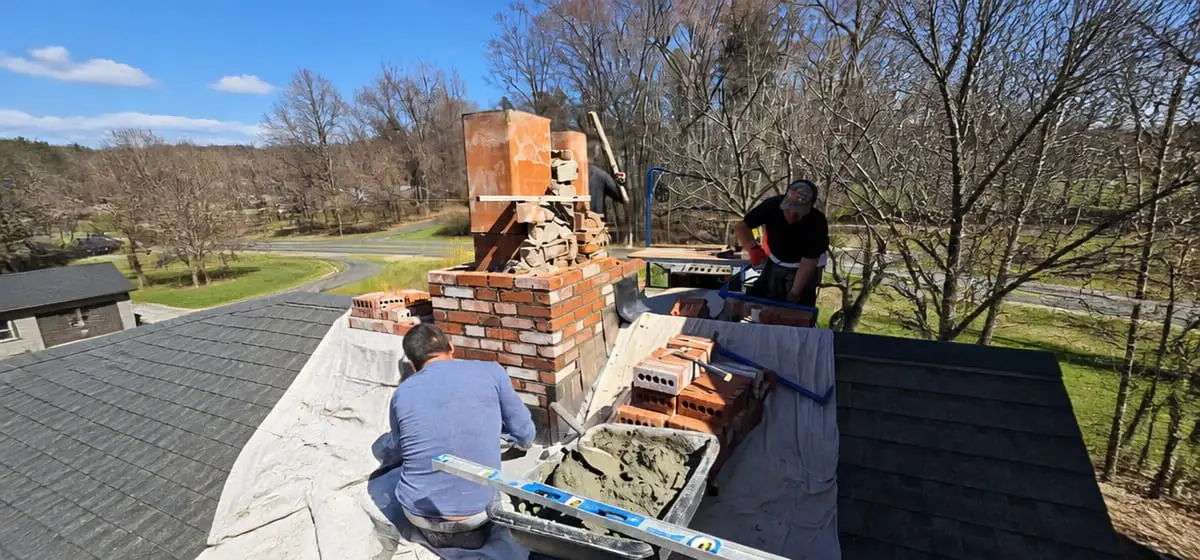
- A chimney rebuild or complete rebuilds typically cost about $4,000 to $15,000; costs rise when an old chimney has widespread deterioration rather than isolated repairs, and if repair costs approach 50% of replacement costs, a full rebuild is often the better choice.
- The national average for a chimney inspection ranges from $300 to $600.
- The average cost to replace a chimney liner ranges from $1,200 to $4,600.
- Chimney waterproofing and sealing costs on average between $150 and $400.
Chimney Maintenance and Chimney Cap Care Is Crucial
Chimney maintenance is key to a long lasting chimney, and routine upkeep should include annual chimney inspections. Sweeping, such as professional chimney cleaning in Bristol, CT, is necessary to remove soot and creosote buildup. Professionals recommend sweeping after every 50 uses or at the beginning or end of each heating season. The national fire protection association also recommends annual inspections by a certified chimney sweep.
Homeowners should also inspect their chimney chase cover, chimney flashing services and chimney cap regularly, since these parts protect the chimney system from water intrusion where the chimney meets the roof and damaged flashing or a failed metal seal can let leaks in; they should also watch for a cracked chimney crown, since those cracks can let water into the masonry.
Installing a chimney cap at the very top helps keep out debris and animals while allowing smoke to escape, and stainless steel caps are popular for their excellent durability; understanding why a chimney cap is crucial for safety and structure and using waterproof sealant will further protect the chimney liners and flue walls from moisture damage.
The chimney crown is the concrete or mortar cap, also called a mortar cap, at the top that seals around the flue opening and helps shed water away from the chimney. Minor crown repairs may involve sealing cracks, while more severe damage may require rebuilding the crown. Regular maintenance and annual inspections will reduce the risk of chimney fires, carbon monoxide exposure, and expensive repairs or major repairs, including costly chimney repairs.
FAQs
Can a chimney flue be replaced?
Yes, it is highly recomended to replace a chimney flue, if it’s badly damaged or worn out.
How much does it cost to install a chimney flue?
Generaly, Installing a chimney flue cost $1,000 to $3,000 depending on materials and complexity.
How often should a chimney flue be replaced?
Optimaly a chimney flue can work upto 15-20 years, if its regularly cleaned and inspected. but it may be sooner if damaged.
How much does a new flue cost?
A new flue can cost $500 to $2,000 or more depending on type and length.
Can a flue be repaired?
Yes, if flue has minor damage, cracks or gaps can sometimes be sealed or patched, but structural repairs should be handled by a professional. Even small rooftop work should only be attempted with proper safety equipment for safety and functionality.
Why Chimney Inspections are Important?
Regular inspections will help homeowners find flue liner damage, chimney cap wear and other potential problems before they become chimney fires and poisonous gas leaks. Annual chimney inspections can also catch issues early before they turn into an expensive chimney repair.
Does homeowners insurance cover chimney repairs?
Sometimes, homeowners insurance may help cover chimney repairs after sudden damage such as lightning strikes, but it usually does not cover problems caused by normal wear. Coverage depends on the policy, so your insurance agent can give the final answer.
Conclusion
Replacing chimney flue is important for a safe and efficient fireplace. Whether you choose clay flue tiles or a durable stainless steel liner, a liner will improve your chimney’s performance and help preserve the chimney’s structural integrity while reducing the risk of costly repairs. The upfront cost may vary depending on material and labor costs, but the peace of mind of a safe chimney is worth it. Regular maintenance, professional inspections, and proactive repairs will keep your chimney safe, and with timely care, a full chimney can last 50 to 100 years.