
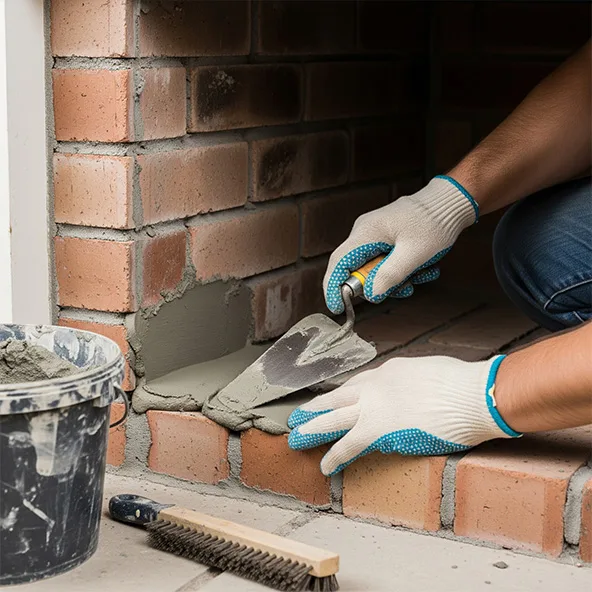
There’s nothing quite like the comforting warmth of a wood burning fireplace on a chilly winter evening. But what many homeowners don’t realize is that the heart of their fireplace’s functionality lies in a hidden hero—the firebox. This is where the fire burns, where the bricks absorb and reflect heat, and where small problems can quickly grow into expensive hazards if left unchecked.
In this essential guide, we’ll walk you through everything you need to know about fireplace box repair, from spotting signs of wear to understanding when it’s time for a new firebox. Whether you’re planning a DIY job or considering a full replacement, understanding the firebox repair process will help you make the best choice for your house, your safety, and your budget.
Why Firebox Repair Matters More Than You Think
The entire firebox is exposed to intense heat every time you use your fireplace. Over time, this constant exposure causes mortar joints to weaken, firebrick to crack, and damaged bricks to form. You may not notice it right away, but small cracks and loose materials can lead to heat loss, reducing the efficiency of your unit and allowing more heat to escape where it shouldn’t.
Worse yet, these hidden faults can lead to serious safety risks. A damaged firebox can allow extreme heat to penetrate surrounding walls and floors, potentially igniting trim, subfloors, or framing near the hearth. According to the Chimney Safety Institute, failing to maintain or repair a masonry firebox increases the chance of structural fires and damper damage. That’s not a risk worth taking.
Understanding Firebox Damage: What to Look For
So what does a damaged firebox actually look like? The signs might not be dramatic, but they’re important. You might see:
- Cracked or loose firebricks
- Gaps in the mortar
- Ashes or debris falling into the fireplace
- Stains or discoloration inside the unit
- Smoke seeping through the exterior of the fire box
These issues might stem from years of normal use, poor previous installation, or even high moisture content in your fuel. If you have an old fireplace, it’s even more likely the firebox needs attention.
DIY Firebox Repair vs. Hiring a Mason
For homeowners who are handy and willing to invest in proper tools, DIY firebox repair can be a cost-effective way to patch minor issues. You can find high-heat mortar and firebrick at most home improvement stores, and with the right process, you might be able to do patching yourself.
That said, not every job is a good fit for DIY. If you notice extensive damage, uneven surfaces, or if the entire firebox feels unstable, it’s time to call a mason. Professional repairs not only ensure proper installation, they also comply with local building codes and help maintain your home’s resale value.
Repair Options for Your Fireplace Box
Depending on what your inspection uncovers, you have several repair options:
- Patching Small Cracks – Using refractory mortar, you can seal small gaps and cracked areas yourself to restore the firebox’s surface.
- Replacing Damaged Bricks – For bricks that are loose, spalling, or deteriorated, removing and installing new firebrick is often necessary.
- Tuckpointing Mortar Joints – If the mortar joints are crumbling, a professional may need to grind out the damaged material and apply a fresh layer.
- Installing a New Firebox or Insert – In cases of severe damage, a full replacement may be your safest bet. Many homeowners opt to have an insert installed, especially if switching from wood to gas fuel for ease and convenience.
How Much Does Firebox Repair Cost?
The cost of firebox repair depends on how damaged the unit is and how much of the system needs to be fixed.
- DIY patching: $50–$200 for materials and basic tools
- Professional brick replacement: $300–$800
- Complete firebox rebuild: $1,000–$2,500+
- Insert installed: $2,000–$5,000, depending on the size and type
If you’re trying to breathe new life into an old fireplace, the investment in firebox repair can pay off in both comfort and property value.
Preparing for the Repair Process
Whether you’re doing the job yourself or hiring help, preparing your room and floor is crucial. Here’s how to create a safe, clean work area:
- Clear the fireplace of ash, logs, and soot
- Lay down protective coverings on the floor
- Ensure proper ventilation—especially during sealing or cutting
- Remove any delicate items or furniture from the room
Being organized will make the process faster and help prevent damage to your home’s interior.
Installing a New Firebox or Insert
Sometimes, the best route is to install a new one altogether. A new firebox or insert installed by a professional ensures long-term efficiency and safety. These modern units are often designed with better heat distribution, improved airflow, and enhanced sealing against gas or smoke leaks.
Make sure the installation includes:
- High-quality firebrick or steel components
- Proper alignment with the chimney
- Tight sealing to reduce air loss and prevent future cracks
- Secure connection to the damper and fuel source (if switching to gas)
This level of work should only be done by a certified installer to meet local code and chimney requirements.
Maintaining Your Firebox for Life
Once your firebox is repaired or replaced, regular maintenance will protect your investment. Here’s what you can do:
- Clean out ash and debris after every few uses
- Check for small cracks or cracked mortar each season
- Get your chimney and firebox inspected yearly
- Watch for signs of falling mortar or loose bricks
By keeping your fireplace box in top shape, you ensure a safer, warmer, and more inviting room—not just for this winter, but for years to come.
FAQs
Q. What is a firebox and why is it important?
The firebox is the chamber inside your fireplace where the fire actually burns. It protects the surrounding walls, floors, and framing from extreme heat. A damaged firebox can lead to house fires, heat loss, and reduced fireplace efficiency.
Q. How do I know if my firebox needs repair?
Look for:
- Cracked or loose firebricks
- Crumbling or missing mortar
- Gaps between the bricks
- Smoke escaping through the joints
- Ash or debris falling out of the firebox
- Discoloration or stains inside the chamber
Any of these signs means the firebox needs attention.
Q. Can small cracks in the firebox really cause serious problems?
Yes. Even tiny cracks can worsen quickly and allow heat to reach wood framing behind the masonry, potentially causing ignition over time.
Can a damaged firebox cause a chimney fire?
Yes. Escaping heat can ignite creosote buildup in the chimney or framing around the fireplace, creating a serious fire hazard.
Q. How long does firebox repair take?
Typical timelines:
- Minor patching: 1–3 hours
- Brick replacement: 3–6 hours
- Full rebuild: 1–2 days
- Insert installation: Half-day to full day
Q. What type of damage is NOT safe for DIY repairs?
Avoid DIY if you see:
- Loose or crumbling firebricks
- Large gaps in mortar
- Deep cracks
- Smoke leaking from the box
- Warped or unstable bricks
- Structural weakness
These require professional handling.
Q. What tools do I need for DIY firebox repair?
Typically:
- Refractory (high-heat) mortar
- Trowel or caulking gun
- Wire brush
- Bucket and sponge
- Protective gloves and eyewear
Q. Why might DIY repairs fail?
Common reasons include:
- Using regular mortar instead of refractory mortar
- Not cleaning the surface first
- Improper curing
- Fixing only the visible damage, not the underlying issue
Q. Are professional firebox repairs more expensive?
Yes, but they are safer and longer-lasting. DIY may save money upfront but often leads to more costly issues later.
Q. How long does it take a mason to repair a firebox?
- Minor professional repairs: 3–6 hours
- Full rebuild: 1–2 days
Q. What is the safest option overall?
Hiring a mason. Fireboxes handle extreme heat, and improper repairs create significant safety risks. Professionals ensure your fireplace is safe to use.
Q. When should firebricks be replaced?
Firebricks should be replaced when they are:
- Loose
- Cracked deeply
- Spalling or flaking
- Missing altogether
Broken bricks cannot safely contain heat.
Q. How often should I clean out ash from the firebox?
Remove ash after every few uses or whenever it builds up to more than an inch. Too much ash restricts airflow and affects fire performance.
Q. What type of wood should I burn to protect my firebox?
Use seasoned hardwood such as oak, maple, or hickory. Avoid burning wet wood, trash, treated lumber, cardboard, or driftwood, as they cause extra soot and moisture damage.
Q. Do I need yearly chimney maintenance even if I rarely use my fireplace?
Yes. Even unused fireplaces can accumulate moisture, animals, or debris, which can lead to deterioration and future safety risks.
Q. What’s the best way to keep soot and creosote under control?
Burn dry wood, avoid smoldering fires, and ensure good ventilation. Creosote mainly forms from low-heat, slow-burning fires.
Q. How can I make my firebox last longer?
- Keep it dry
- Use proper firewood
- Maintain mortar joints
- Schedule annual inspections
- Fix small issues early
- Avoid overfiring (excessively large fires)
Final Thought
Your firebox might be hidden in plain sight, but it does the heavy lifting every time you light a fire. From heat distribution to safety, from efficiency to ambiance, keeping it in good shape isn’t just about comfort—it’s about protecting your home and your peace of mind.
If you’re unsure about the state of your masonry firebox, don’t guess. Call a professional, get it inspected, and make informed choices. The Chimney Safety Institute recommends regular checks for good reason. A safe fire is a warm fire—and that starts with a well-maintained fire box.