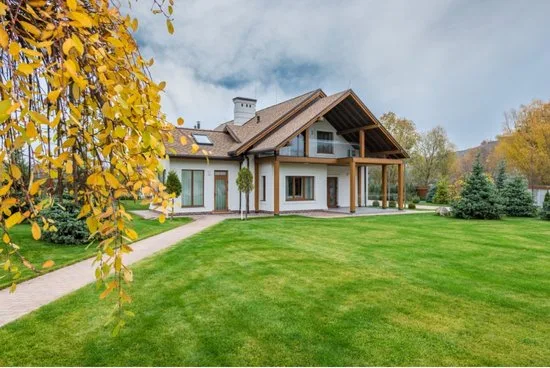

Get the tips and advice you need to choose the best chimney coping for your home. Read now and protect your investment!
Chimney coping is the final layer that combines function and fashion to protect your chimney and roof from the weather. It’s the cap that prevents water damage, smoke leakage and other environmental issues. Properly designed chimney coping means a safe and efficient fireplace system and a little bit of style on your roof.
Why Chimney Coping Matters
A chimney left to the elements can suffer damage over time. Chimney coping with chimney caps creates a solid barrier to prevent water penetration and protect the mortar and brick structure. Rain, snow and other harsh weather conditions can wear down the chimney’s materials and compromise its integrity and safety. By addressing these issues with chimney coping, you extend the life of your chimney and your home.
Chimney coping also keeps animals out. Animals such as birds or rodents often seek shelter in chimneys and can cause blockages or damage. Adding a chimney cap with wire mesh to your coping system is a great solution to keep animals out and allow proper airflow.
Types and Styles of Chimney Coping
Chimney coping comes in different styles and sizes to fit your chimney and roof. Precast concrete copings are durable, come in multiple sizes, and can be customized to match your home’s style. For a more refined look, the cast stone chimney coping is elegant and protective.
Another option is vitrified clay wall coping, which is resistant to moisture and other elements. These are perfect for brick chimneys and protect the mortar from rain and smoke damage. Each style creates a solid barrier that enhances the chimney’s function and style.
Chimney Coping with Caps
When combined with chimney caps, chimney coping is unbeatable. Chimney caps prevent water from entering the chimney and reduce the risk of smoke and harmful gases being drawn back into your home. Wire mesh in the cap keeps debris and animals out so your stove or fireplace runs smoothly.
A starter section or flashing with the coping adds an extra layer of protection. This combination addresses potential leaks and the overall durability of the chimney system. For homeowners looking for long-lasting and reliable products, chimney coping with caps is a must-have.
Installation and Maintenance Tips
Proper installation is key to your chimney coping working properly. Having a professional install chimney coping and caps ensures all dimensions and styles are tailored to your chimney. Regular inspections and maintenance are also important to address wear and tear from water or the elements.
Suppose you’re looking to upgrade or repair your chimney and contact a trusted member of your local GMT Home chimney service team. They can recommend the best coping types, sizes and products for your home. By investing in quality chimney coping, you protect your chimney, your fireplace system and your roof’s structure.
FAQs
Q. What is chimney coping?
Chimney coping is the cover, usually stone or concrete, at the top of a chimney that prevents water from entering the structure.
Q. How do I stop a chimney backdraft?
To stop a chimney backdraft?, ensure proper ventilation, check the draft of the chimney, clean the flue, and make sure the damper is working correctly.
Q. Is capping a chimney a good idea?
Capping a chimney is generally a good idea. It prevents water damage, debris buildup, and animal entry and improves energy efficiency.
Q. No chimney cap?
Water, debris, animals and backdrafts get in. Damage or unsafe conditions.
Q. Is chimney coping the same as a chimney cap?
No. Chimney coping covers the top surface of the chimney, while a chimney cap sits on top of the flue opening. They work best together—coping blocks moisture from the sides, and the cap protects the flue from rain, debris, and animals.
Q. How do I know if my chimney coping is damaged?
Common signs include visible cracks, loose or crumbling mortar, water stains near the chimney, moss growth, or interior leaks. If you notice these issues, your coping may no longer be sealing the chimney properly.
Q. Why is chimney coping important for my home?
Chimney coping protects the top of your chimney from rain, snow, and moisture. Without it, water can seep into the brick and mortar, causing cracks, leaks, and long-term structural damage.
Q. What problems can occur if my chimney doesn’t have coping?
Without chimney coping, your chimney is exposed to weather, which can lead to mortar erosion, brick deterioration, chimney leaks, rusted flue liners, and costly repairs.
Q. Does chimney coping help extend the life of a chimney?
Absolutely. By preventing moisture penetration and freeze–thaw damage, chimney coping significantly increases the lifespan of the chimney and reduces maintenance costs over time.
Q. Is chimney coping necessary even if I have a chimney cap?
Yes. A chimney cap protects the flue opening, while chimney coping protects the entire top surface of the chimney. Both work together for complete protection.
Q. How does chimney coping prevent brick and mortar damage?
Coping covers exposed masonry and reduces direct contact with rain and snow, preventing mortar joints from breaking down and bricks from absorbing moisture.
Q. How often should chimney coping be checked?
Chimney coping should be inspected annually or whenever you notice leaks, cracks, or loose masonry around the chimney.
Q. What types of chimney coping are available?
Common chimney coping types include precast concrete coping, cast stone coping, vitrified clay coping, and metal coping. Each type offers different levels of durability, appearance, and weather resistance.
Q. Which chimney coping material is the most durable?
Precast concrete and cast stone chimney coping are among the most durable options, designed to withstand harsh weather and freeze–thaw cycles for many years.
Q. Can chimney coping be customized to match my home?
Yes. Many chimney coping options are available in various sizes, colors, textures, and finishes, allowing homeowners to match their roof and exterior design.
Q. How long do chimney caps last when installed with coping?
High-quality chimney caps can last 10–25 years or more, especially when paired with properly installed chimney coping.
Q. How long does chimney coping installation take?
Most chimney coping installations can be completed in one day, depending on the chimney size and condition.
Q. Can chimney coping be repaired instead of replaced?
Minor cracks or mortar issues may be repaired, but severely damaged or loose coping usually requires full replacement to ensure proper protection.
Q. When is the best time of year to install or maintain chimney coping?
Spring and fall are ideal, as mild weather allows proper sealing and curing of materials.