
There’s something comforting about the glow of a fire on a cold evening. But behind every warm and inviting fireplace is a hidden system doing a very serious job—venting heat, gas, and smoke safely out of your home.
One of the most important, yet often overlooked, components in this system is the flue ventilator.
Whether your home has a traditional masonry chimney with clay chimney pots or a more modern setup, understanding how your chimney flue operates—and how a ventilator supports it—is vital to your home’s safety and your peace of mind.
Understanding Ventilation and Chimney Flues
The chimney flue is more than just a pipe inside your chimney—it’s the passageway that carries combustion byproducts, like smoke and gas, up and out of your home. Every appliance that uses combustion, whether a wood-burning fireplace or a gas stove, must be paired with a properly working ventilation system.
If your house has multiple heating appliances, like a stove and a boiler, each one should be connected to a separate flue. This is especially critical in masonry chimneys, where multiple flues may run side by side through the brick and masonry structure. Without this separation, gases can travel the wrong way, re-entering your home instead of escaping through the top of the chimney.
And it’s not just gases you have to think about. Without proper venting, heat and creosote can build up, increasing the risk of a chimney fire. Creosote is a sticky, flammable residue that sticks to the interior walls of flues, particularly when burning wood. A properly selected and installed flue ventilator can help prevent this danger by improving airflow and reducing condensation and debris buildup.
Choosing the Right Flue Ventilator: Know Your Chimney
Not all flue ventilators are the same, and the right one for your home depends heavily on the structure and use of your chimney. Start by identifying what kind of chimney system you have. Is it a masonry chimney with clay chimney pots, or is it a metal flue system? How many flues does it contain? Are they all in use—or is there a redundant flue that’s no longer connected to any appliance?
For flues that are no longer active, ventilating them is still important. Even a redundant flue can collect moisture, which leads to brick damage and internal mold issues. That’s where features like a pepper pot cowl or a sailors cap come into play. These specialized caps are designed to sit atop unused clay chimney pots, letting air circulate whilst allowing any trapped moisture to escape—without letting in rain or animals.
If your flue is active, the choice of ventilator needs to reflect your appliance. A gas fire, for instance, releases different byproducts at lower temperatures than a wood-burning stove. Therefore, the materials used in the ventilator—whether copper, stainless steel, or aluminum—must withstand those conditions and last over time.
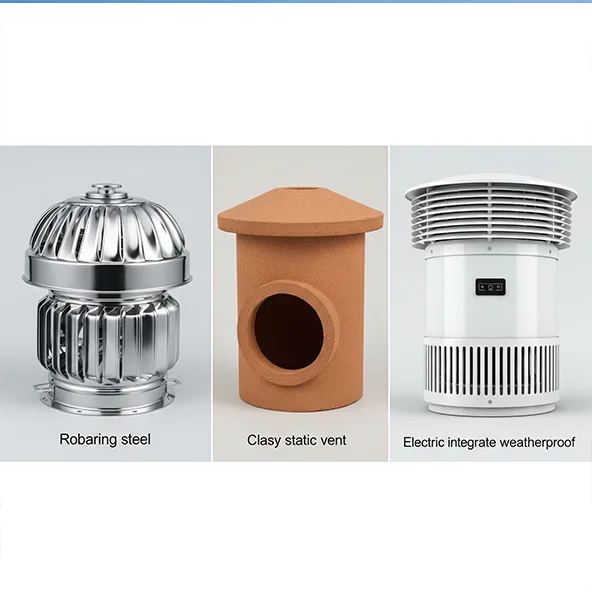
For example, some Chimney Flue Ventilator is built specifically for weather clay chimney pots. Its design encourages efficient ventilation, helping to push gases upward and out, whilst shielding your flue from rain, wind, and nesting birds.
The Role of the Chimney Cap
Let’s not forget the chimney cap, an essential addition to most flue systems. A chimney cap sits atop the chimney and provides a physical barrier against the elements. It protects your roof and flue from falling leaves, pests, and driving rain, all whilst allowing smoke and air to exit freely.
A good chimney cap also helps prevent downdrafts. When strong winds swirl across your roof, they can push air back down into your chimney flue, especially if it’s unprotected. A well-designed cap creates enough space and lift to maintain smooth airflow, protecting the delicate pressure balance needed for safe venting.
Installation: Don’t Skip the Inspection
Choosing the right ventilator is only the beginning. Even the best product can’t perform if it’s not installed correctly. Before installing anything, your chimney should be inspected from top to bottom. Cracks in the brick, loose mortar joints in the masonry, or obstructions in the flue can all interfere with how effectively gases are exhausted.
A skilled chimney technician can also assess whether your chimney cap or flue ventilator is appropriately matched to your system. The installation must be tight enough to prevent drafts and water entry, but not so tight that it restricts airflow.
Don’t trust your family’s safety to a DIY guess. Always use a professional when modifying your chimney flue or installing any ventilation system.
Ventilator Maintenance: A Yearly Must
Over time, your flue ventilator will be exposed to everything Mother Nature can throw at it. Rain, snow, wind, and even animals can affect its performance. That’s why it’s critical to perform routine maintenance.
Check the ventilator every few months—or at least before the start of each heating season—for signs of rust, corrosion, or physical damage. For copper ventilators, some natural patina is normal, but structural integrity must be preserved.
You should also schedule professional cleanings, especially if you use a wood-burning or multi-fuel appliance. Creosote buildup not only affects the flue walls but can also collect on the chimney cap or ventilator, clogging the airflow and increasing the risk of fire.
If your ventilator becomes damaged or inefficient, replacing it sooner rather than later can prevent bigger, more expensive issues. A small repair now can save your roof, your chimney, and your wallet later.
FAQS
Q. Why do I need a flue ventilator?
A flue ventilator helps:
- Prevent smoke from entering your home
- Improve fireplace or stove efficiency
- Reduce creosote buildup
- Fix poor chimney draft
- Ensure safer burning and better air quality
Q. How do I know if I need a flue ventilator?
Signs include:
- Smoke entering the room
- Difficulty starting fires
- Fireplace not drawing properly
- Persistent creosote buildup
- Strong odors from the chimney
- Backdraft during windy weather
Q. What causes poor chimney ventilation?
Common causes include:
- Blocked chimney (soot, creosote, bird nests)
- Cold chimney flue
- Damaged or improperly sized flue
- Negative air pressure in the home
- Moisture or structural issues
Q. What role does the chimney liner play in ventilation?
A chimney liner improves airflow, protects bricks from heat, and ensures smoke and gases travel smoothly through the flue without escaping into walls.
Q. How can I improve my chimney’s ventilation?
Options include:
- Cleaning the chimney
- Warming the flue before use
- Installing a chimney cap or draft inducer
- Fixing the damper
- Installing a flue ventilator
- Ensuring proper air intake inside the room
Q. Why does my chimney type matter when choosing a flue ventilator?
Different chimneys have different draft strengths, sizes, and materials. A flue ventilator must match your chimney’s airflow needs; otherwise, smoke backup, overheating, or poor ventilation can occur.
Q. Is a ventilator required for all chimney types?
Not always. Masonry chimneys, prefab metal chimneys, and vented appliances have different requirements. Some systems already have built-in draft regulators, but open fireplaces often benefit the most.
Q. Are flue ventilators safe for wood-burning fireplaces?
Yes, if properly installed. Many ventilators are designed to withstand high temperatures from wood fires, but a professional should verify compatibility.
Q. Do gas fireplaces need a flue ventilator?
Most modern gas appliances have sealed systems or built-in draft control. However, older gas fireplaces or boilers may need a ventilator for proper exhaust.
Q. What’s the difference between a top-mounted and in-line flue ventilator?
- Top-mounted: Installed on the chimney cap; boosts natural draft and prevents downdrafts.
- In-line: Installed inside the flue or duct; provides controlled, mechanical draft for fireplaces, stoves, and boilers.
Q. What materials are best for chimney caps?
- Stainless Steel: Most durable and rust-resistant
- Copper: Long-lasting and visually appealing
- Galvanized Steel: Budget-friendly but prone to rust
Q. Why is a chimney inspection necessary before installation?
An inspection helps identify hidden issues like cracks, blockages, liner damage, or moisture problems that could affect the performance and safety of your new installation.
Q. What type of installation requires a pre-inspection?
Any installation involving:
- Chimney caps
- Flue ventilators
- Fireboxes
- Inserts or stoves
- Dampers
- Liners
All require a professional inspection first.
Q. What’s the difference between a Level 1 and Level 2 inspection?
- Level 1: Basic visual check for routine maintenance.
- Level 2: Camera inspection required for installations, upgrades, or after damage.
Q. What does ventilator maintenance include?
- Cleaning soot and debris
- Checking and lubricating moving parts
- Inspecting electrical connections (for powered units)
- Examining mesh or screens for damage
- Verifying proper draft and airflow
Q. What are the signs my ventilator needs maintenance?
- Weak or inconsistent draft
- Strange noises
- Smoke backing into the room
- Visible debris or creosote buildup
- Loose or damaged components
Final Thoughts: Invest in Safety and Performance
Choosing the right flue ventilator may not seem urgent—until it is. Whether you’re upgrading your old masonry chimney, dealing with a redundant flue, or protecting a gas or wood-burning appliance, having the right components in place makes all the difference.
The key is knowing your system, understanding how ventilation works, and trusting quality materials—like weather clay chimney pots, copper tops, or specially designed chimney caps—to do their job. Each part of your chimney plays a role, and the flue ventilator is one of the most unsung heroes.
So, if it’s been a while since you’ve looked up at your chimney, it might be time. Schedule that inspection, ask the right questions, and make sure your chimney flue is doing its job—safely, efficiently, and quietly—just like it should.
Need help deciding which flue ventilator suits your chimney best? Speak with a professional and protect your home the smart way. Your chimney will thank you—and so will your lungs.