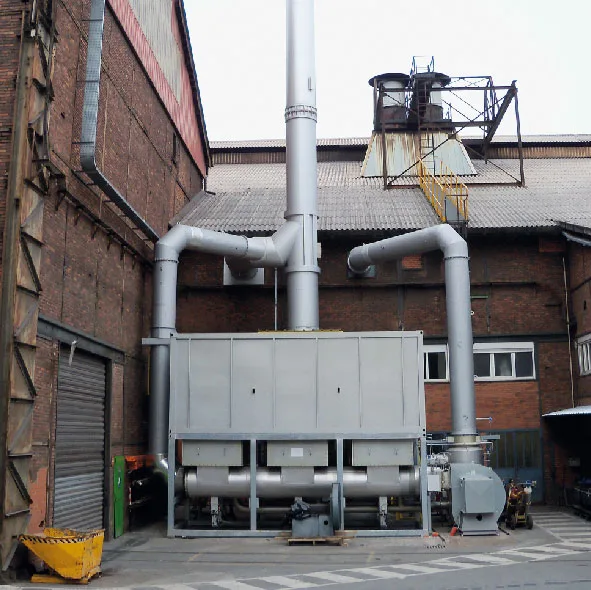
Industrial chimneys are key to a safe and efficient working environment. They are the backbone of managing exhaust gases and emissions for industries across all sectors. For industrial and power clients, having a solid industrial chimney maintenance plan in place is critical to the life and reliability of the entire chimney. A comprehensive chimney assessment is essential as part of the maintenance plan. It provides insights into repair and protection alternatives and investment estimates for necessary repairs.
In this post, we will examine why industrial chimney maintenance is important, what it involves, and how a bespoke repair and maintenance program can keep your business compliant, safe, and efficient.
Why Industrial Chimney Maintenance Matters
Chimneys are often overlooked in a business’s daily operations, but neglecting their care can lead to costly repairs and safety hazards. Regular industrial chimney maintenance ensures your chimney system is running at its best. By examining both external and internal components, you can reduce the risk of blockages, corrosion, or structural damage that can impact your business.
Whether you are in manufacturing, power or another heavy industry, a chimney inspection program should be part of your safety and maintenance schedule. Additionally, ongoing maintenance programs are essential for ensuring the safety and efficiency of the chimney system, even for chimneys and stacks that are no longer in service.
Industrial Chimney Maintenance Components
To maintain your industrial chimney, both the internal chimney components and the chimney exterior liner need to be checked regularly. Routine inspections ensure all parts of the chimney are working as they should. Tailored repair and maintenance programs for both internal and external components of the chimney are essential to ensure optimal performance and longevity. Here’s how we break it down:
1. Comprehensive Chimney Assessment
A full chimney inspection is the first step to identifying potential problems. Enhanced chimney inspections utilizing advanced technology are necessary to inspect the entire chimney. By using advanced cameras mounted to unmanned aerial vehicles or tethered systems to inspect hard-to-reach areas, maintenance teams can pinpoint where damage or wear is occurring. This in-depth approach helps to spot hidden problems that could become major issues down the line.
2. Maintenance of Internal Components
The internal components of the chimney need to be inspected regularly to prevent the buildup of soot, creosote, or other debris. Industrial chimney maintenance should include regular cleaning and repairs of these internal chimney components to keep them running smoothly and safely. Over time, wear and tear can cause cracks or weakened structures that require repair programmes to restore chimney integrity.
3. Chimney Retrofit Programmes
As chimneys age or become obsolete, businesses may need to consider major chimney retrofit programs. These programs involve updating or replacing parts of the chimney to meet modern standards or to increase efficiency. Retrofitting can involve upgrading the chimney exterior liner or structural technologies. We custom engineer solutions to suit your facility’s needs to deliver long-term benefits.
4. External Repairs and Structural Integrity
For the chimney exterior, external repairs are needed to address corrosion, weathering or structural damage that could compromise the safety of the chimney. These repairs are more visible than internal chimney components but are just as important to the overall integrity of your system. A full visual inspection of the chimney exterior can spot minor problems before they become major repairs.
5. Specialist Controlled Demolition Methods
In cases where repairs aren’t sufficient, specialist-controlled methods for safe and efficient demolition may be required, emphasizing the importance of safety. Our team custom engineers develop specialized controlled methods for demolishing chimneys that are at the end of their service life. This ensures any obsolete or damaged parts are removed and replaced without disrupting your business. Fast demolition is critical to minimize downtime so you can get back to production with minimal disruption.
6. Ongoing Maintenance Programs
Regular maintenance program are essential to the life of your chimney system. These programs include regular inspections, cleaning and monitoring of chimney components to keep them running efficiently. Our team designs efficient solutions aimed at addressing specific problems and enhancing the lifespan of chimney components. Prioritize repair programs to address problems before they become major repairs or downtime.
How Specialized Services Benefit Your Business
Specialized chimney maintenance services offer bespoke solutions for industrial operations. Whether your facility needs stack assessment, temporary access systems, fiber-reinforced polymer for structural upgrades, or more, expert teams design and custom-engineer solutions to deliver the best outcome. They have the expertise and access to structural technologies to make informed decisions on design and material selection and achieve the best results.
Additionally, the service offers enhanced chimney inspections using advanced technology for comprehensive assessments.
Plant Safety and Efficiency
The main objective of industrial chimney maintenance is to maximize plant safety and operational efficiency. By keeping your chimney in good condition through maintenance and chimney retrofit programs you protect your employees and equipment from potential hazards. Repair programs are tailored to your industrial system to ensure safe operation and minimal risk.
FAQs
Q. How do professionals clean chimneys?
Professionals clean chimneys by using specialist tools such as brushes, vacuums and rods to remove soot, creosote and debris from the chimney flue and components.
Q. Who maintains the chimney?
Homeowners or business owners are responsible for chimney maintenance but professionals such as chimney sweeps or specialist contractors do the inspections, cleaning and repairs.
Q. How do you maintain a chimney?
Chimney maintenance includes regular inspections, cleaning to remove soot and creosote, checking for blockages, repairing any damage and ensuring the chimney cap and liner are intact.
Q. What is an industrial chimney called?
An industrial chimney is known as a stack or smokestack.
Q. How often should an industrial chimney be inspected?
Industrial chimneys should be inspected at least once a year, but high-use or high-temperature systems may require inspections every 6 months to ensure safety and compliance.
Q. What are the common signs that an industrial chimney needs repair?
Common signs include visible cracks, corrosion, unusual vibrations, poor draft performance, smoke leakage, spalling concrete, or increased emissions.
Q. Does maintenance help control emissions?
Yes. Proper maintenance ensures exhaust gases are released safely and efficiently, helping reduce pollution and meet emission standards.
Q. Which chimney components need regular maintenance?
Both internal components (flue and liner) and external components (stack, concrete or steel shell, and supports) require regular inspection and maintenance.
Q. What happens if the chimney liner is damaged?
A damaged liner can allow heat and gases to escape into the structure, leading to corrosion, cracks, and safety risks.
Q. Why are external chimney inspections necessary?
External inspections identify cracks, corrosion, spalling concrete, loose bricks, and weather-related damage that could affect structural stability.
Q. How often should chimney components be inspected?
Most components should be inspected annually, with more frequent checks for high-temperature or high-load systems.
Q. Do inactive or unused chimneys still need component checks?
Yes. Even unused chimneys can deteriorate over time and must be inspected to prevent collapse or hazards.
Q. Why is a comprehensive chimney assessment important?
It helps detect hidden problems early, prevents accidents, ensures safe operation, and reduces the risk of costly emergency repairs.
Q. How long does a comprehensive chimney assessment take?
Depending on chimney size and condition, it can take a few hours to a full day.
Q. What are common signs of internal chimney problems?
Poor draft, unusual odors, smoke backup, increased emissions, or reduced system performance are common warning signs.
Q. Can damaged internal components be repaired?
Yes. Many internal issues can be repaired through liner replacement, sealing, coating, or structural reinforcement.
Q. Is internal chimney maintenance required even if the chimney is rarely used?
Yes. Moisture buildup and corrosion can occur even in low-use or inactive chimneys.
Q. How long does internal chimney maintenance take?
Routine inspections and cleaning typically take a few hours, depending on chimney size and condition.
Q. What types of upgrades are included in retrofit programs?
Retrofits may include liner replacement, structural reinforcement, corrosion protection, insulation upgrades, or emissions improvements.
Q. Will retrofitting extend the life of my chimney?
Yes. A well-planned retrofit program can extend a chimney’s lifespan by many years or even decades.
Conclusion: Invest in the Long Term Health of Your Chimney System
Maintenance, repairs, and inspections are essential for any business with an industrial chimney. With a specialist team,, you can implement solutions that not only keep your plant safe but also improve its performance. From stack assessments to fiber-reinforced polymer applications,, your chimney system deserves the best care to keep you running smoothly.
Don’t wait until problems occur—invest in industrial chimney maintenance today to ensure your business’s safe future!