
A fireplace chimney is more than just a functional feature—it’s a vital part of your home’s building envelope, protecting against harsh elements like wind, rain, and moisture. Yet, many homeowners overlook exterior chimney maintenance, leading to costly repairs and potential hazards.
Whether you have a brick or stone chimney, keeping it in peak condition ensures a better chimney that withstands winter storms, heat, and wear over time.
Let’s explore five essential maintenance tips to preserve your fireplace chimney and keep your home safe and warm.
1. Inspect Your Exterior Chimney for Damage
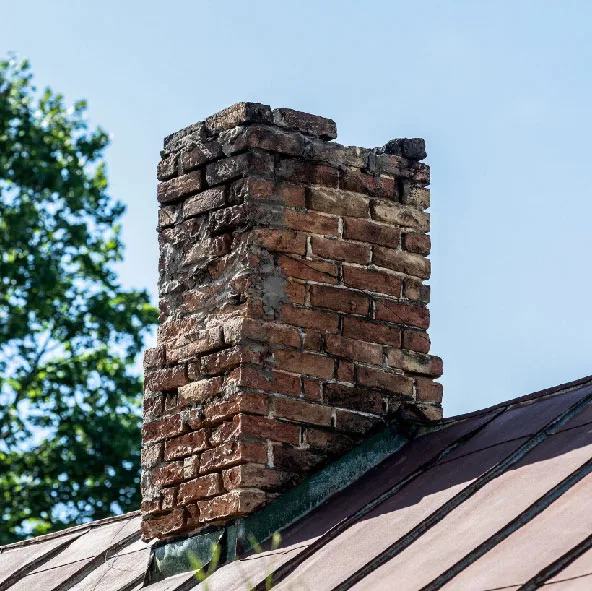
Your chimney’s exterior faces constant exposure to the elements, from heavy rain to freezing temperatures. Over time, masonry, mortar, and brickwork can deteriorate, allowing moisture to seep in and weaken the structure. Cracked brick, loose mortar, or damaged siding can lead to interior issues, affecting ceilings, interior walls, and floors.
Hiring a professional to inspect your chimney inside and out at least once a year is an excellent choice to prevent major repairs. If you notice crumbling brick, gaps in the mortar, or rust forming on the metal components, it’s time for immediate action.
2. Maintain the Chimney Cap and Flue
The flue and chimney cap work together to keep out debris, animals, and excess moisture. Without a properly installed cap, rainwater can enter the flue, leading to interior damage and affecting the stack effect, which controls airflow in your house. A well-maintained flue also improves ventilation, reducing the risk of smoke buildup inside your room.
Check your chimney cap regularly to ensure it’s in good condition. If it’s missing or broken, replacing it is a smart installation project that helps maintain your chimney’s efficiency.
3. Repair Brick and Mortar to Prevent Water Damage
A strong masonry structure ensures your fireplace chimney can withstand the test of time. However, cracks in the mortar or spalling brick allow water infiltration, especially during winter when the freeze-thaw cycle worsens the damage. If left unchecked, this can compromise the building’s stability, causing costly repairs to the interiors, ceilings, and walls.
Tuckpointing—replacing deteriorated mortar—is a crucial maintenance task that reinforces your chimney’s exterior while preserving its aesthetic style. Investing in professional brickwork repairs can extend the lifespan of your fireplace chimney and prevent more extensive restoration projects.
4. Waterproof the Chimney for Long-Term Protection
Applying a waterproofing sealant is an excellent choice to shield your chimney from excess moisture while allowing it to breathe. Without this protective layer, water can seep into the brick, affecting not only the exterior chimney but also the interior walls, floors, and ceilings of your house.
A high-quality sealant prevents damage while preserving your chimney’s ability to endure extreme weather conditions. This small investment in maintenance can save you money on future repairs and ensure your fireplace chimney remains sturdy year-round.
5. Keep the Surrounding Area Clear for Safety
Overhanging tree branches, leaves, and debris can create fire hazards and obstruct proper airflow, impacting the stack effect inside your home. Clearing debris around your chimney’s exterior not only improves ventilation but also reduces the risk of embers igniting nearby materials.
Additionally, if you use a woodstove or stove, ensure proper clearance around the hearth and fireplace. Trimming back branches and cleaning any built-up debris helps maintain a safe, cozy space for your home during winter.
FAQs
Q. How often should I inspect my exterior fireplace chimney?
You should have your exterior chimney professionally inspected at least once a year, preferably before winter. Regular inspections help identify early signs of masonry damage, moisture intrusion, or structural issues before they turn into expensive repairs.
Q. Why is inspecting the exterior of a chimney important?
The exterior chimney protects your home from moisture, wind, and structural damage. Regular inspections help catch cracks, loose bricks, and deteriorating mortar early—preventing water intrusion and costly interior repairs.
Q. What are the most common signs of exterior chimney damage?
Common warning signs include cracked or spalling bricks, crumbling mortar joints, rust on metal components, leaning chimneys, and water stains on interior ceilings or walls near the fireplace. Any of these indicate moisture or structural problems that need prompt attention.
Q. Why is a chimney cap so important?
A chimney cap prevents rain, snow, debris, birds, and animals from entering the flue. Without a cap, moisture can damage the flue liner, reduce airflow efficiency, and lead to interior water damage and unpleasant odors inside your home.
Q. How often should the chimney cap and flue be checked?
Both should be inspected at least once a year, preferably before the heating season. Severe weather or strong winds may require additional checks to ensure the cap remains secure and undamaged.
Q. Can a dirty flue affect fireplace performance?
Yes. Creosote buildup, debris, or blockages restrict airflow, leading to smoke entering the room, reduced heating efficiency, and increased fire risk.
Q. Are chimney caps necessary for all types of chimneys?
Yes. Whether you have a wood-burning fireplace, gas fireplace, or stove, a chimney cap is essential for protecting the flue and maintaining safe, efficient operation.
Q. Is brick replacement necessary, or can mortar repair fix the problem?
Minor issues can often be resolved with tuckpointing. However, severely cracked or spalling bricks may need replacement to fully restore the chimney’s integrity and prevent ongoing water damage.
Q. What happens if a chimney is not waterproofed?
Without waterproofing, moisture can seep into the brick and mortar, causing freeze-thaw damage, weakened masonry, mold growth, and water stains on interior walls and ceilings over time.
Q. How long does chimney waterproofing last?
Professional chimney waterproofing typically lasts 5 to 10 years, depending on weather exposure, chimney condition, and the quality of the sealant used.
Q. Can waterproofing be applied to any type of chimney?
Yes. Waterproofing is suitable for brick, stone, and masonry chimneys. A professional inspection ensures the chimney is structurally sound before application.
Q. Is chimney maintenance different for brick vs. stone chimneys?
The principles are similar, but stone chimneys often require specialized mortar and sealing techniques to prevent uneven moisture absorption and cracking.
Q. How do I know if moisture is trapped inside my chimney?
Signs include musty odors, white staining (efflorescence), interior wall dampness, and recurring masonry damage despite previous repairs.
Q. Are chimney inspections required even for gas fireplaces?
Yes. Gas fireplaces still rely on a safe, intact flue system. Inspections ensure proper venting, liner integrity, and moisture protection.
Q. What time of year is best for chimney maintenance?
Late summer or early fall is ideal, allowing repairs to be completed before winter weather and heavy fireplace use.
Final Thoughts
Proper chimney maintenance isn’t just about curb appeal—it’s about protecting your home, interiors, and heating appliance from long-term damage. A well-maintained fireplace chimney ensures efficient heat flow, enhances the building’s structure, and provides a warm, inviting room for you and your family.
Don’t wait for major repairs—stay ahead with regular inspections and preventative care. If your chimney needs attention, GMT Home Services is here to help. Whether it’s a simple repair job or a full installation project, our expert team ensures your chimney stays in top shape. Contact us today for professional service and better chimney performance!