After a chimney fire, act fast. Follow these steps to stay safe and regain your home.
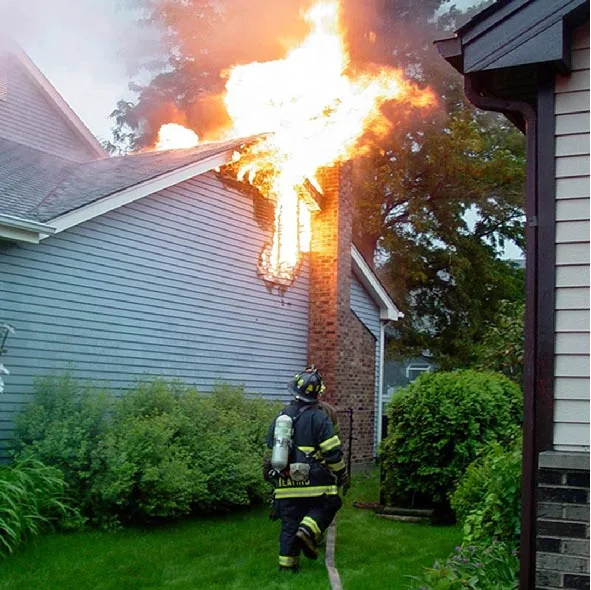
A chimney fire can be scary and dangerous. Whether it is a very small fire or a big one, you need to act fast and thoroughly to keep your home safe and prevent future chimney fires. In this blog, we’ll explain the steps to follow after a chimney fire, including professional inspection, cleaning, and maintenance.
1. Get Safe and Assess
Your priority after a chimney fire is safety. If the fire is still burning, call 911 for emergency services. Dense smoke and heat damage can be a big risk. Make sure your smoke detector is working, and do not use the fireplace again until it’s safe.
Once the fire is out, inspect the chimney system from a distance. Look for visible damage, such as roof cracks, exterior masonry damage, or missing chimneypieces. If damage is suspected, leave the area and do not use the wood stove again until a certified chimney sweep can assess the situation.
2. Call a Professional Chimney Sweep
Whether it was a small fire or a big one, you need to call a professional chimney sweep. Chimney sweeps are trained to identify and fix issues like puffy creosote warping buildup, smoke chamber connector pipe problems, or puffy creosote warping, which can cause future chimney fires if not addressed. A certified chimney sweep will inspect your entire chimney and chimney cap to make sure your entire chimney system is clear of obstructions or damage.
3. Inspect and Clean the Chimney System
Small chimney fires can have big consequences if the creosote buildup isn’t addressed. Creosote is a highly flammable substance that forms during wood burning, can accumulate, catch fire, and cause a chimney fire. After any fire, it’s important to have your chimney inspected by a professional and cleaned if necessary. Preventing creosote buildup is key to a safe and clean chimney, too.
A clean chimney is essential for safe operation, especially after a fire. During an inspection, the chimney sweep will the chimney inspected look for signs of heat damage, distorted chimney liner, or warping, which could compromise the chimney’s structure. They’ll also check mortar joints and other vulnerable parts of the chimney for cracks or damage that could allow smoke or creosote to escape.
4. Check the Chimney Cap and Other Components
Your chimney cap is crucial in preventing debris, animals, and rain from entering the chimney through the roof cracks. After a fire, the chimney cap should be inspected for damage or wear. A damaged cap can cause more creosote buildup and future fires. To protect your chimney, make sure it’s securely fitted and in good condition.
Also, inspect the smoke chamber, smoke detector, and chamber connector pipe for cracks or signs of overheating. If any components are warped, cracked, or missing big chunks, this could be heat damage from the fire, and they need to be repaired or replaced.
5. Long Term Effects
Small chimney fires can leave lasting damage, including puffy creosote that may have warped or blocked the chimney flue. If not addressed, this can lead to more serious conditions. You may also notice smoke escaping where it shouldn’t, which could be structural damage that needs attention.
Also, be aware of any freshly cut or seasoned wood you use in minor chimney fires in the future. Seasoned wood reduces creosote buildup, improves your chimney’s efficiency, and lowers the chance of future chimney fires.
6. Future Chimney Fires
Now that the immediate danger has been addressed, it’s time to consider preventing future chimney fires. Regular maintenance, such as annual inspections and cleanings, is key. Chimney sweep logs can also reduce or prevent creosote buildup between cleanings. Always use seasoned wood, and never burn wet or freshly cut wood, as this increases creosote buildup.
Check for signs of chimney damage regularly, especially after heavy use. Cracks in the chimney flue, mortar joints, chimney pieces, or the chimney crown can allow dangerous gases like carbon monoxide to enter your home. If you see any of these signs, call a professional chimney sweeper right away.
Conclusion
A chimney fire is a big deal, but with the right steps, you can minimize damage and prevent future fires. After any large chimney fire, be sure to call a professional chimney sweeper to inspect the entire chimney system, clean the flue, and inspect the chimney cap and other components. Regular maintenance and proper wood-burning practices will keep your fireplace safe, so you and your family can enjoy the warmth without worry.
At GMT Home Services, we know that a safe chimney is important to many homeowners. If you’ve had a chimney fire, don’t wait—contact our chimney sweep experts today to schedule an inspection and keep your home safe from future chimney hazards.
FAQs
Q. Is it safe to use a fireplace after a chimney fire?
No, it’s not safe to use a fireplace after a chimney fire until a professional chimney sweep inspects and repairs the damage.
Q. What do you want to do after a chimney fire, if you get a chimney fire?
Call 911, get everyone out of the house, and make sure everyone is safe. Do not try to put out the fire yourself.
Q. Will a chimney really catch fire and go out on its own?
Small chimney fires may go out on their own, but they can cause serious damage. You should call a professional to inspect and clean the chimney.
Q. What can a chimney fire do?
A chimney fire can damage the flue, chimney liner, and structural components to prevent chimney fires cause cracks, warped metal, and weakened mortar joints, and increase the chance of future fires or carbon monoxide leaks.
Q. How can I tell if I’ve had a chimney fire?
Many chimney fires go unnoticed. Common signs include loud cracking or popping noises, dense smoke, a strong creosote smell, flaky or puffy creosote, damaged chimney caps, or cracked masonry.
Q. Can I clean the chimney myself after a chimney fire?
No. After a chimney fire, professional cleaning is essential. DIY cleaning cannot detect heat damage, warped liners, or structural issues that could lead to another fire.
Q. Will my chimney liner need to be replaced after a fire?
It depends on the severity of the fire. Many chimney fires damage liners beyond safe use. A professional inspection will determine whether repair or replacement is necessary.
Q. How soon can I use my fireplace again after a chimney fire?
You should not use your fireplace until a certified chimney sweep inspects, cleans, and confirms the chimney is safe for operation.
Q. What visible signs should I look for when assessing damage from a distance?
Look for cracked masonry, damaged chimney caps, warped metal parts, fallen debris, or discoloration on walls or ceilings near the chimney.
Q. What should I avoid doing immediately after a chimney fire?
Avoid using the fireplace, climbing the roof, removing debris yourself, or ignoring unusual smells or sounds.
Q. Can I skip calling a chimney sweep if the fire was small?
No. Even small chimney fires can damage the flue liner, smoke chamber, or chimney cap in ways that are not visible to homeowners.
Q. Is a regular chimney cleaning enough after a chimney fire?
No. After a fire, a full inspection—often with a camera—is required. Cleaning alone does not address heat or structural damage.
Q. Can a chimney sweep tell if my chimney liner needs replacement?
Yes. A professional chimney sweep can determine whether the liner is repairable or must be replaced for safe operation.
Q. Should I repair the chimney before or after cleaning?
Inspection comes first. The chimney sweep will identify needed repairs, then recommend cleaning or re-building as required.
Q. What type of chimney inspection is required after a fire?
Most chimney fires require a detailed, professional inspection, often using a chimney camera to check internal damage that cannot be seen from the outside.
Q. How often should chimneys be cleaned after a fire?
After the initial post-fire cleaning, regular annual inspections and cleanings are recommended, or more often if the fireplace is heavily used.
Q. What other chimney components should be checked after a fire?
The smoke chamber, flue liner, damper, connector pipe, chimney crown, and masonry joints should all be inspected.
Q. Are there warning signs of long-term chimney fire damage?
Yes. Watch for smoke odors, poor draft, cracked masonry, rusted components, or unusual noises.
Q. What type of wood should I burn to reduce fire risk?
Only burn properly seasoned hardwood. Wet or freshly cut wood creates more smoke and creosote.
Q. How can I tell if creosote is building up again?
Signs include strong smoky odors, dark residue inside the fireplace, and poor draft.