Learn how to choose the best chimney stove for your heating needs. Warm up your home and save energy—read now!
When winter arrives, few things can transform a home, like the warmth of a wood-burning stove. Whether you’re replacing an existing fireplace or adding a new heat source to a room, wood stoves, including country stoves and stylish stoves, are the answer to a cozy, welcoming space. With the choice of styles, sizes, and designs available today, it’s easy to find a wood stove that suits you, but making the right purchase requires knowing the basics. Let’s get into everything you need to know about chimney stoves and wood-burning stoves.
Why a Wood Stove Is the Answer
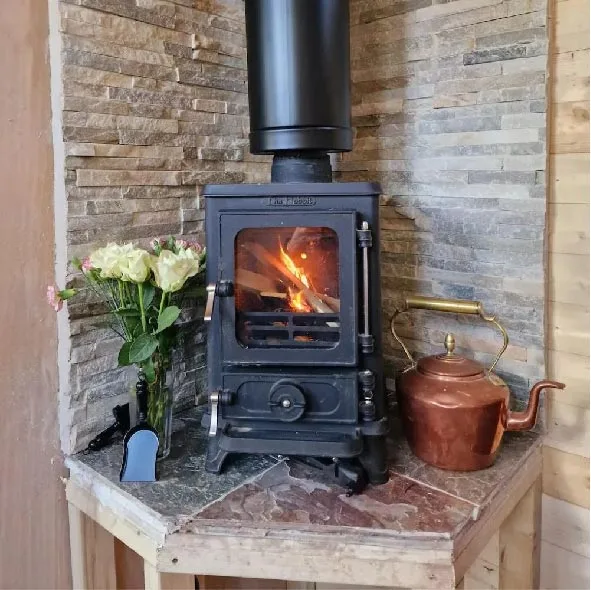
A wood stove isn’t just about heat; it’s about a focal point that brings a room to life. For those looking for an eco-friendly alternative, a pellet stove offers the same benefits and added convenience. These stoves produce more heat than a traditional fireplace and are much more efficient. Unlike an open fire, a wood stove contains the flames in a closed unit, directing smoke up the chimney and heat into your home. This is an eco-friendly option that reduces waste and performs better.
For homeowners who want flexibility, wood stoves can be fitted into small spaces like cabins or apartments with compact, space-saving models. These versatile front stoves are designed for zone heating, so you can warm specific areas without overloading your energy usage.
Types of Wood Stoves
The market is large and full of choices, each tailored to different tastes and needs. Traditional wood stoves are often made from cast iron or steel for durability and charm. They bring a country style to your home and are great for cabins and spaces that need a rustic look. Modern wood stoves, on the other hand, are sleek and efficient. They often have pedestal designs and are EEPA-certified for today’s standards.
For an eco-friendly option, pellet stoves are the way to go. These stoves burn compressed wood pellets, producing clean flames with minimal smoke. They’re the perfect choice for anyone who wants the benefits of a wood stove without the hassle of handling logs. Plus, fireplace inserts can turn your existing fireplace into a high-performing heat source, combining the charm of a traditional fireplace with the efficiency of a wood stove.
Choosing the Right Wood Stove for You
Choosing the right wood stove starts with knowing the size of your space and your heating requirements. Larger stoves can heat big rooms and open spaces, while smaller units are perfect for tight spaces. Efficiency is key; look for models with long burn times and features like blowers to distribute the heat evenly. The quality of the materials and design is just as important, so your stove will perform well for years to come.
Budget is another consideration. Wood stoves are affordable, but don’t forget to factor in the cost of installation, maintenance and any extras like blowers or fireplace caps. The initial cost may seem high, but wood stoves will save you money in the long run through reduced energy bills and more heat.
Installation and Maintenance
Proper installation is key for both safety and performance. A chimney stove must be paired with a chimney system designed to handle the stove’s output. The chimney should be taller than the roofline to create a good draft so smoke is expelled efficiently. Installing your chimney inside the home rather than outside will help retain heat, preventing heat loss during the colder months.
Maintenance is key to the life of wood stoves. Inspect the chimney for creosote buildup, which can lead to chimney fires if it is not cleaned. Clean the exhaust and check for wear on seals, doors and blowers. An annual maintenance schedule will keep your stove efficient, safe, and warm all winter.
Why Wood Stove?
A wood stove isn’t just a heating appliance—it’s a lifestyle upgrade. These units turn any space into a warm and cozy haven, turning cold winter nights into an excuse to gather around the flames with loved ones. From traditional designs that evoke country living to modern stoves that fit into contemporary homes, there’s a style for everyone.
And wood burning stoves are a sustainable option. By using renewable fuel sources like logs or pellets, you reduce your carbon footprint and enjoy the warmth and power of the real flames. With proper installation and maintenance, your wood stove can be a long-term investment in your home’s comfort and value.
Choose Wisely
When it comes to wood stoves, quality, efficiency and style should always be your guide. Whether you like the rustic look of traditional stoves or the modern functionality of the new ones, the right stove will turn your home into a cozy retreat. Don’t miss the opportunity to make your winter more comfortable with a wood stove that fits you.
Ready to get started? GMT Home Services can help you find and install the right stove. From selecting the model to keeping it running smoothly, we’re here to make your heating experience easy, affordable price and fun. Contact us today to enter a world of warmth, efficiency, and timeless style!
FAQs
Q. What is a stove oven chimney?
A stove chimney is a venting system that safely escapes smoke and gases from a wood-burning stove outside the door of a building. It provides proper airflow for combustion and prevents indoor smoke buildup.
Q. Can you put a stove in a chimney?
Yes, you can install a wood stove in an existing chimney by using a fireplace insert or by connecting the stove to the chimney with a flue liner if the chimney is in good condition and meets safety standards.
Q. Does a chimney need to be lined for a wood-burning stove?
Yes, a wood-burning stove’s chimney should be lined to be safe and efficient. A properly installed and sized flue liner improves draft, contains exhaust and reduces the risk of chimney fires.
Q. What are the rules for a wood stove chimney?
A wood stove chimney must:
- Be made of heat-resistant materials.
- Be at least 3 feet above the roofline and 2 feet higher than any structure within 10 feet.
- Be properly sized for the stove’s hot flue.
- Be inspected and cleaned regularly to prevent creosote buildup.
Q. What kind of chimney do I need for a wood stove?
For wood stoves, you need a masonry chimney with a properly fitted liner or a prefabricated insulated metal chimney. The chimney must meet local building codes and be compatible with the stove’s specifications.
Q. What is the difference between a wood stove and a traditional fireplace?
A traditional fireplace loses much of its heat through the chimney, while a wood stove is a closed system that traps heat and radiates it into the room. Wood stoves are far more efficient and can heat an entire space rather than just creating ambiance.
Q. Are wood stoves energy efficient?
Yes. Modern wood stoves and pellet stoves are highly efficient and EPA-certified. They produce more heat using less fuel compared to open fireplaces, helping homeowners reduce heating costs.
Q. Can I install a wood stove in an existing fireplace?
Yes. A fireplace insert can be installed inside an existing fireplace, turning it into a powerful and efficient heating system while maintaining the look of a traditional fireplace.
Q. Do wood stoves really save money on heating bills?
Yes. Wood stoves reduce reliance on electricity, gas, or oil. Over time, homeowners often see significant savings, especially during long winter months.
Q. Are wood stoves effective in very cold weather?
Absolutely. Wood stoves are designed to provide consistent, powerful heat even during extreme cold, making them a reliable heat source in winter.
Q. Are wood stoves environmentally friendly?
Modern wood stoves are eco-friendly and EPA-certified. They burn fuel more completely, produce fewer emissions, and use renewable resources like firewood or pellets.
Q. Does a wood stove work during power outages?
Yes. Traditional wood-burning stoves do not rely on electricity, making them an excellent backup heat source during power failures.
Q. What are the main types of wood stoves available?
The most common types include traditional wood-burning stoves, modern wood stoves, pellet stoves, fireplace inserts, and hybrid stoves. Each type offers different benefits depending on heating needs and lifestyle.
Q. Which type of wood stove is best for small spaces?
Compact wood stoves and small pellet stoves are ideal for apartments, cabins, and small rooms. They are designed to provide warmth without taking up too much space.
Q. What’s more important: stove size or efficiency?
Both matter. A stove that’s the right size but not efficient will still cost more to run. Choose a stove with high efficiency and appropriate heat output for your space.
Q. How important is stove material (steel vs. cast iron)?
Cast iron retains heat longer and gives a classic look, while steel heats up faster and is often lighter and less expensive. Both are durable—choose based on style and performance needs.
Q. What features should I look for in a wood stove?
Look for features like high EPA efficiency rating, long burn time, easy ash removal, good glass viewing area, and optional blowers or fans.
Q. How much should I budget for a quality wood stove?
Budget for the stove itself, professional installation, chimney or flue work, and accessories. Higher efficiency and quality materials may cost more upfront but save money over time.
Q. How often should a chimney be inspected?
Chimneys should be inspected at least once a year. Regular inspections help detect creosote buildup, blockages, or structural damage.
Q. How often does a wood stove need cleaning?
Ash should be removed regularly, while the chimney and flue should be professionally cleaned annually or more often if the stove is heavily used.
Q. What kind of wood should I burn?
Only dry, seasoned hardwood should be used. Wet or unseasoned wood creates more smoke, creosote buildup, and reduces heating efficiency.
Q. What safety precautions should I take?
Install smoke and carbon monoxide detectors, keep flammable materials away from the stove, and follow manufacturer guidelines for operation and maintenance.
Q. When is the best time to schedule maintenance?
Late spring or summer is ideal. Chimney professionals are less busy, and your stove will be ready before cold weather arrives.
Q. How do I know if a wood stove is high quality?
Look for EPA certification, strong construction materials (cast iron or steel), good warranty coverage, and positive professional recommendations.
Q. When is the best time to buy a wood stove?
Spring and summer are ideal, as installers are less busy and you’ll be ready before winter arrives.