A strong, well-looked-after chimney is more than just a nice feature of your home – it’s essential for safety, efficiency and longevity. Whether you’ve noticed chimney cracks, crumbling bricks or other signs of chimney damage, understanding masonry and chimney repair is key. Let’s get into the nitty gritty of masonry chimneys and how to keep them standing tall for years to come.
What is a Masonry Chimney
Masonry chimneys are made from brick, stone, or other hard-wearing materials, with mortar as the binding agent. They act as a safe passage for smoke and gases from fireplaces or heating systems, so they exit your home without posing a safety hazard.
With proper maintenance – including annual chimney inspections and chimney cleaning – a masonry chimney can last a lifetime. However, neglecting maintenance can result in costly repairs and even serious safety hazards. The bottom line? Maintenance is key to preventing major damage.
Causes of Chimney Damage
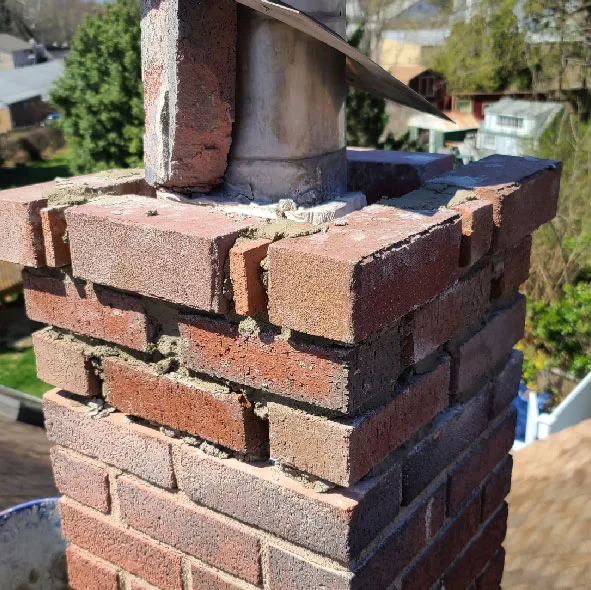
Chimneys get battered by the elements. Over time, weathering, natural settling and even poor construction can cause chimney cracks to appear. Here are some common causes of chimney damage:
- Cracks and gaps in mortar joints – This can lead to water penetration, structural problems and fire hazards.
- Missing or crumbling chimney bricks – Weak bricks compromise the chimney’s structure.
- Chimney crown damage – A damaged chimney crown lets water in, causing more damage.
- Poor chimney design – Bad design means poor ventilation, chimney fires and inefficiency.
If left unattended, these problems will get worse and will require expensive repairs or a full rebuild.
Your Chimney Needs Repair If…
Are you wondering if your chimney needs repair? Here’s how to tell:
- Chimney cracks in the masonry or missing mortar
- Water stains on the chimney or interior walls
- Leaning chimney or visible damaged bricks
- Smoke backing up into your home due to a blocked or damaged chimney liner
- Unusual odors or excessive creosote buildup from extreme heat exposure
Ignoring these signs can lead to a house fire, carbon monoxide poisoning, and expensive structural repairs. The good news is that regular chimney inspections can catch problems before they get out of hand.
Chimney Repair Costs
Chimney repair costs vary depending on the extent of the damage:
- Minor masonry repair (sealing small cracks) – $250
- Moderate masonry repair (mortar repointing or chimney crown repair) – $500 to $1,500
- Major relining or full chimney rebuild – $3,000
To avoid costly repairs, get regular chimney work done by expert chimney professionals. A well-looked-after chimney will save you money in the long run and keep your home safe from fire hazards.
Chimney Maintenance Tips
A little chimney maintenance goes a long way in preventing chimney damage. Here’s what to do:
- Get regular chimney inspections – A chimney sweep can spot and fix problems early.
- Clean your chimney – Chimney cleaning removes soot and creosote buildup, reduces fire risks.
- Check for water damage – Water penetration weakens the chimney structure. Check flashing, the chimney crown and mortar joints.
- Get a chimney cap – This simple addition stops water, debris and even animals from entering your chimney system.
Masonry Chimney Repair Methods
If repairs are needed, chimney professionals use:
Tuckpointing – Rebuilding deteriorated mortar joints to strengthen the structure.
Parging – Applying a smooth coating to damaged areas inside the smoke chamber.
Chimney relining – Installing a new chimney liner to improve ventilation and safety.
Chimney rebuilding – Rebuilding sections or the whole chimney if damage is extensive.
Water Damage
Water is a chimney’s biggest enemy, causing cracks, mold and structural integrity problems. Protect your chimney with:
- Waterproofing sealants to stop water penetration.
- Chimney cap to stop rain, snow and debris.
- Check flashing and masonry repair to stop water getting in.
Water damage addressed early means no costly repairs later.
Chimney Liner Repair and Replacement
A chimney liner protects the masonry from extreme heat and acidic byproducts and improves airflow. If your liner is cracked or deteriorating repairs may involve:
- Replacing damaged sections – Removing and replacing broken parts of the liner.
- Slip casting – Applying a ceramic material to the liner.
Regular inspections will spot damaged areas before they become a safety hazard.
DIY Chimney Repairs: Safety First
Are you thinking of doing chimney repairs yourself? While minor repairs like sealing small cracks may be DIY friendly, larger repairs should always be done by professional chimney professionals. Remember:
- Wear protective gear – gloves and mask.
- Work with proper ventilation to avoid inhaling smoke or dust.
- Don’t climb on your roof unless you have the right safety gear.
Get a professional chimney service for structural repairs, chimney relining, or anything else related to gas or fire safety. DIY mistakes are not worth it.
FAQs
Q. How much to repair chimney masonry?
Depends on the damage. Minor masonry repairs start at $250, full chimney relining or rebuilding can be $3,000 or more.
Q. Do masons work on chimneys?
Yes, professional masons do masonry chimney repairs – brickwork, mortar joint restoration and structural reinforcement.
Q. How much is a masonry fireplace and chimney?
A new masonry fireplace and chimney cost between $3,500 and $10,000, depending on the materials, size, and complexity of construction.
Q. How to repair chimney masonry?
Common masonry repair chimney include tuckpointing (rebuilding deteriorated mortar joints), parging (smoothing out damaged areas), chimney relining, and chimney rebuilding for extensive damage. It is best to get chimney professionals for safety and lasting results.
Q. How often should a masonry chimney be inspected?
A masonry chimney should be inspected at least once a year, even if you don’t use your fireplace regularly. Annual inspections help catch cracks, mortar damage, and liner issues before they become expensive or dangerous.
Q. What happens if chimney mortar starts crumbling?
Crumbling mortar weakens the chimney’s structure and can lead to:
- Loose bricks
- Water penetration
- Chimney collapse in severe cases
Tuckpointing is usually required to restore strength and safety.
Q. How do I know if my chimney liner is damaged?
Common signs include:
- Smoke backing up into your home
- Strong odors from the fireplace
- Poor draft
- Failed chimney inspection
A damaged liner is a serious fire and carbon monoxide risk and should be repaired immediately.
Q. Is a masonry chimney better than a metal chimney?
Masonry chimneys are:
- More durable and long-lasting
- Better at handling high heat
- Visually appealing
However, they require more maintenance than metal chimneys.
Q. How long does a masonry chimney last?
With proper care and regular inspections, a masonry chimney can last 50 to 100 years or more.
Q. Do masonry chimneys need a liner?
Yes. A chimney liner is essential for:
- Protecting the masonry from heat damage
- Improving draft and efficiency
- Preventing chimney fires and carbon monoxide leaks
Q. How can I tell if my masonry chimney is damaged?
Warning signs include:
- Cracked or missing bricks
- Crumbling mortar
- White staining (efflorescence)
- Water leaks or rusted components
Q. What is the most common cause of chimney damage?
Water damage is the number one cause. Rain, snow, and moisture seep into cracks and mortar joints, weakening the chimney over time.
Q. Why does smoke come back into my house?
Smoke backing up may be due to:
- A damaged chimney liner
- Blocked flue
- Structural chimney damage
This is a serious safety issue that needs immediate attention.
Q. Why is chimney repair so expensive?
Chimney repairs involve specialized labor, safety equipment, materials, and height-related risks, which increase overall costs.
Q. What is the cheapest chimney repair?
The most affordable repairs include:
- Sealing small cracks
- Minor mortar touch-ups
- Chimney cap replacement
These typically cost under $300
Q. How can I lower chimney repair costs?
You can save money by:
- Scheduling annual inspections
- Fixing small problems early
- Installing chimney caps and waterproofing
Q. How often should chimney repairs be expected?
With proper maintenance, major repairs are uncommon. Regular upkeep significantly reduces repair frequency.
Q. What is the most important chimney maintenance task?
Regular chimney inspections and cleanings are the most important tasks to prevent fires, blockages, and costly damage.
Q. Can I maintain my chimney myself?
You can handle small tasks like:
- Visual inspections
- Keeping the chimney area clear
- Using proper firewood
But professional maintenance is needed for cleaning and repairs.
Q. How can I tell if my chimney needs maintenance?
Common signs include:
- Smoke entering the room
- Unpleasant odors
- Visible cracks or loose bricks
- Excessive soot buildup
Q. When should I call a chimney professional?
Call a professional if you notice smoke issues, water leaks, unusual odors, or visible damage.
Conclusion
Your chimney is key to your home’s safety and efficiency. Now you know about masonry and chimney repair and maintenance. Avoid costly repairs and enjoy a warm, safe home for years to come. Need chimney services? Contact GMT Home Services today to get your chimney back to new!