Chimney and Fireplace Services in Shelton, CT — Ensuring Safety
Honest Feedback from Our Clients
EXCELLENT Based on 365 reviews
 Posted on Google
 Colin PatersonWe had a great experience with Joe and team. Very responsive and thorough - he provided a detailed estimate on all the work needed to be done (we needed a complete rebuild from roofline). The team did a great job and are clearly very good at what they do. They were in and out in two days and their quote was beyond reasonable. Highly recommend.Posted on Google
 Joseph WendoverI had a great experience with GMT Chimney Services. They were extremely responsive and able to come out quickly when I needed help after a bird got stuck in my chimney (thankfully it was fine!). They cleaned my gas fireplace, removed bird nesting and debris from the chimney pipe, and installed a new cover to prevent future issues. The team was professional, neat, and made sure everything was cleaned up before they left. Overall, they were easy to work with and did a thorough job. I would definitely recommend them to anyone needing chimney or fireplace services.Posted on Google
 Natasha SetschinskyAlex and Juan were so professional and kind and did the job in a timely manner!!!!Posted on Google
 Dylan KniskaJuan and Alex did a phenomenal job servicing our chimney. Polite, professional and a darn good job! Spent extra hours on the job and made sure everything was working correctly! 5 stars!Posted on Google
 Spencer McCauleyGreat experience!! Joe and Alex were awesome ... extremely nice, honest, and upfront about everything. The price was very fair, and they worked hard to make sure the job was done right. It’s refreshing to find a company that’s so kind, reliable, and affordable. Highly recommend!!Posted on Google
 Trevor FlanaganThe staff at GMT are professional, well educated, dog friendly, flexible with scheduling and ensure priority to jobs that need it. They use USA made products sourcing from the local community, offering lifetime warranties on most of their products, while also still maintaining very reasonable pricing. Their customers safety and satisfaction are first and foremost and it shows throughout their whole team. Joe came out on a Sunday for my estimate and by Friday of the same week I had my chimney lining replaced, everything detailed cleaned, and a new cap installed.Posted on Google
 Jackie RJoe came to do an initial inspection for my fireplace/chimney and was very informative! I appreciate the time taken to explain the current state of my fireplace and recommendations!Posted on Google
 Jennifer GarciaAfter searching for a chimney sweep company that were available to diagnose and repair before the inclement weather arrived, was extremely difficult. But GMT were able to arrive that same night. GMT estimated and fixed my whole situation before the snow touched the ground. I had an emergency situation with a roof replacement I previously had with another company gone bad. CO leaking in and unable to stay in my home. GMT secured the work done the very next day. My family and I were able to come back home after one night out. They were professional and fast in freezing temperatures. Town inspection passed. Service you can count on. Definitely reliable and compassionate. Highly recommend.Posted on Google
 Destinie MarieGreat experience overall. Joe and Alex were professional, responsive, and easy to work with. Everything was handled smoothly would definitely recommend.Posted on Google
 nicole hendersonWonderful service. Even showed me how to start a better fire in my wood stove and checked everything to make me more comfortable. Highly recommend!
Chimney Inspection
“How would I know if something is wrong inside my chimney?”
This is one of the most common questions we hear in Shelton. From the living room, everything can seem normal—fires burn, smoke rises, and the chimney looks fine from the outside. The issue is that most chimney problems develop where homeowners can’t see them.
Early creosote buildup, liner wear, small blockages, or moisture intrusion don’t always affect performance right away. But over time, they change how safely and efficiently a chimney vents.
During inspections, we look closely at the flue, liner, smoke chamber, crown, flashing, masonry joints, and damper operation. Each area tells part of the story.
In a home near Huntington Center, an inspection revealed early liner separation that hadn’t yet caused smoke issues. Catching it early meant a targeted repair instead of a larger correction later.
Inspections bring clarity before problems make themselves known.
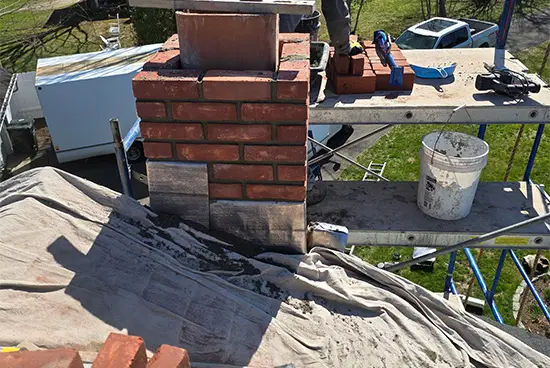
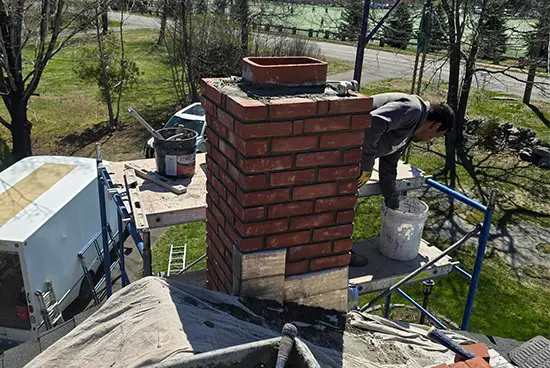
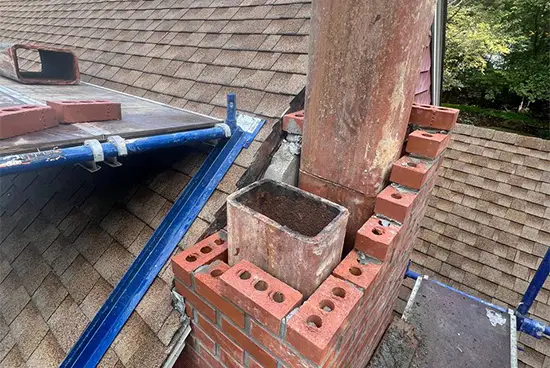
Chimney Repair
“If my chimney hasn’t failed, why fix anything yet?”
Shelton homeowners ask this often, especially when the chimney still looks solid. Chimneys are resilient—they keep working even as internal components slowly wear down.
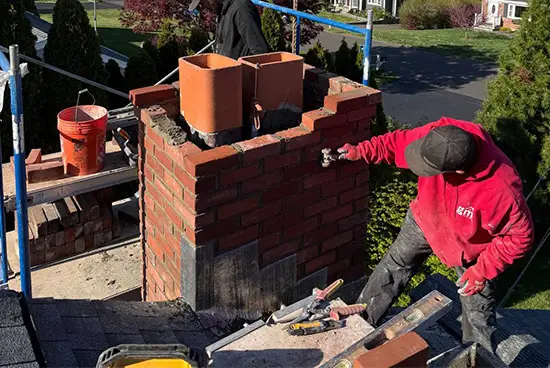
Mortar joints erode, crowns absorb moisture, and liners weaken over time. Repairs focus on restoring stability and safe venting, not just addressing surface damage.
Near White Hills, deteriorating mortar joints were allowing moisture into the structure. Repointing and crown reinforcement stabilized the chimney before freeze-thaw cycles caused deeper damage.
Repairs done early protect the chimney before failure forces bigger work.
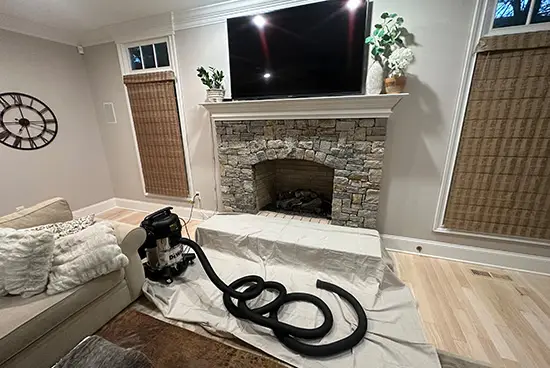
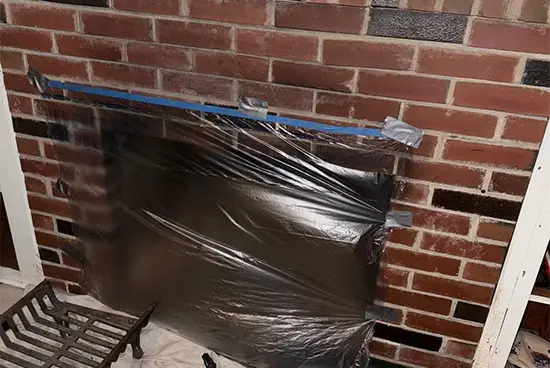
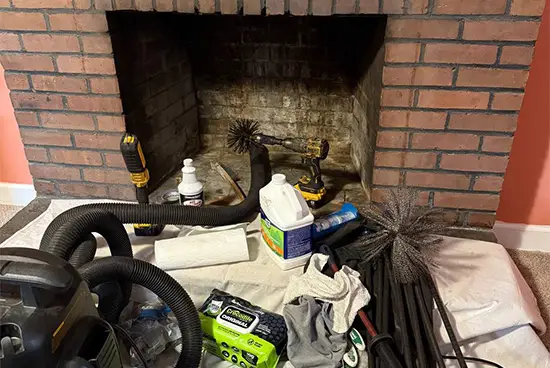
Chimney Cleaning
“Can buildup really be an issue if I don’t burn often?”
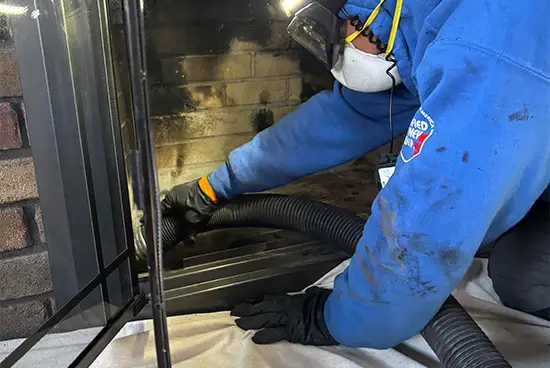
Yes—and this surprises many Shelton homeowners. Even occasional fires leave creosote behind, and chimneys that sit unused often collect debris, moisture, or nesting material.
Restricted airflow doesn’t always show up immediately. It often starts as lingering odors or sluggish draft.
On Bridgeport Avenue, a long-overdue cleaning removed layered buildup that had been narrowing the flue. Once cleared, airflow improved and smoke odors disappeared.
Cleaning keeps airflow reliable, even with light fireplace use.
Chimney Maintenance
“What’s the difference between maintenance and repair?”
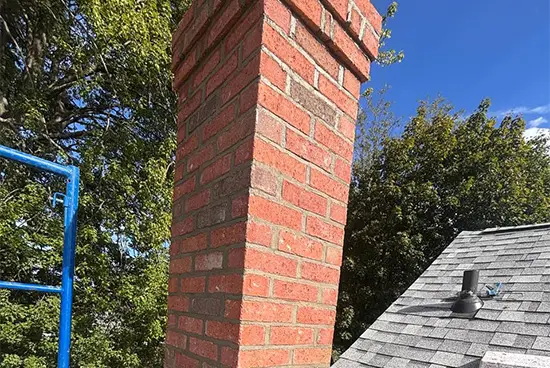
Maintenance is about slowing wear—not fixing damage after it happens. In Shelton homes, it usually means checking the areas most exposed to weather: caps, crowns, flashing, liners, and masonry joints.
These small adjustments help prevent moisture entry and shifting components.
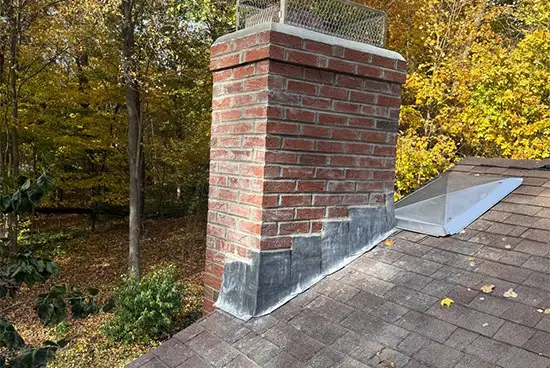
Near Indian Well State Park, early flashing wear was corrected during routine maintenance, preventing water intrusion during the next heavy rain cycle.
Maintenance keeps small changes from turning into repairs.
Level 2 Chimney Inspection
“When is a standard inspection not enough?”
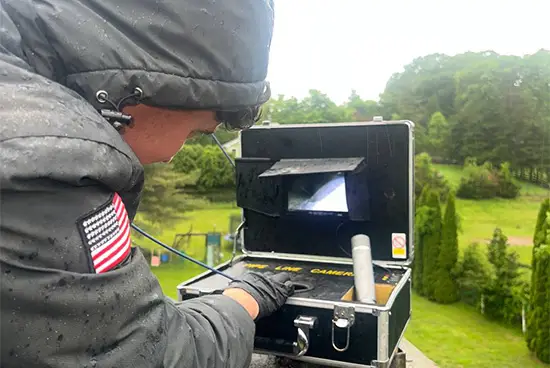
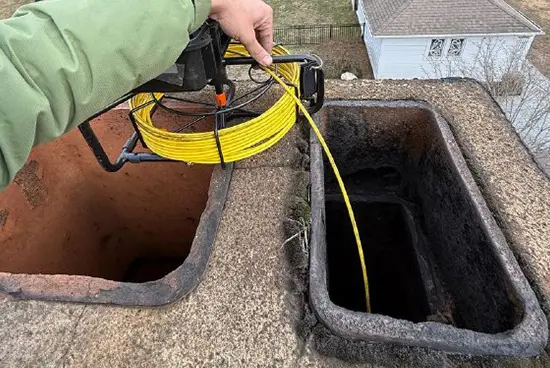
A deeper inspection is usually recommended after storms, during home sales, or when heating systems change. Camera equipment allows us to examine internal flue areas that can’t be seen otherwise.
This helps identify hidden liner damage, obstructions, or moisture issues that affect safety or documentation.
Near Shelton Lakes, a Level 2 inspection before a home sale revealed a concealed blockage that was cleared and documented without delaying the transaction.
When circumstances change, a closer look brings certainty.
Chimney Crack Repair
“Can small chimney cracks wait another season?”
Small cracks rarely stay small. Once water enters masonry, freeze-thaw cycles widen those openings and weaken surrounding materials.
In a Downtown Shelton home, early crack repair and crown sealing stopped moisture from spreading into adjacent joints.
Addressing cracks early keeps damage contained.
Chimney Leak Repair
“How can I tell if the chimney—not the roof—is causing leaks?”
Chimney leaks don’t always drip. They often show up as staining, rusted components, or musty smells that linger.
Most leaks trace back to crowns, flashing, or missing caps—areas that handle direct exposure.
On River Road, sealing the crown and correcting flashing resolved interior staining that roof work alone hadn’t fixed.
Finding the true source of moisture prevents repeat damage.
Chimney Cap Installation
“What problems does a chimney cap actually prevent?”
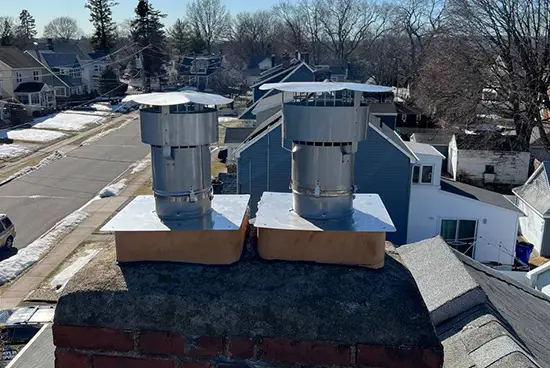
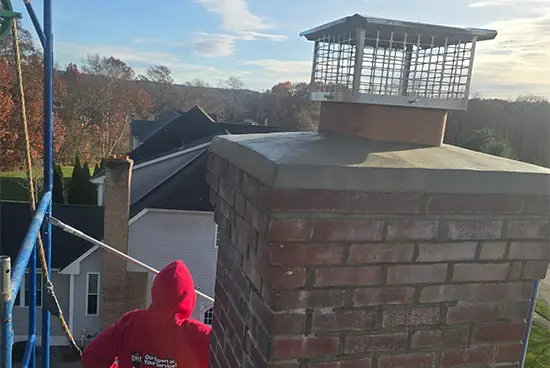
Caps do more than block rain. They keep animals out, reduce downdrafts, and limit moisture entering the flue.
A home near the Housatonic River had repeated bird nesting issues. Installing a stainless-steel cap solved the problem and improved airflow consistency.
A small addition at the top protects the entire chimney system.
A Practical Way to Think About Chimney Care in Shelton
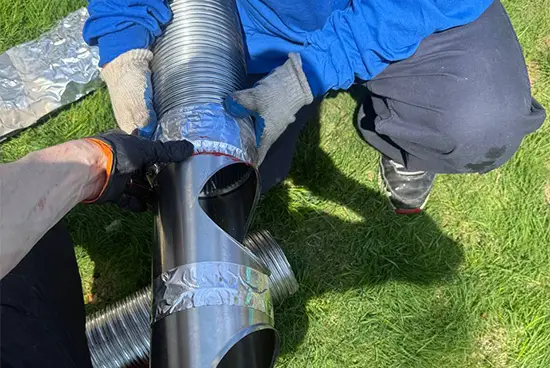
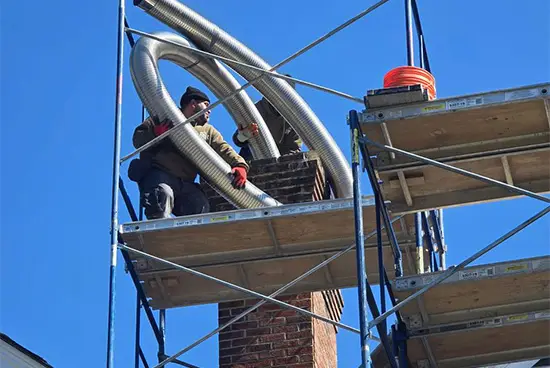
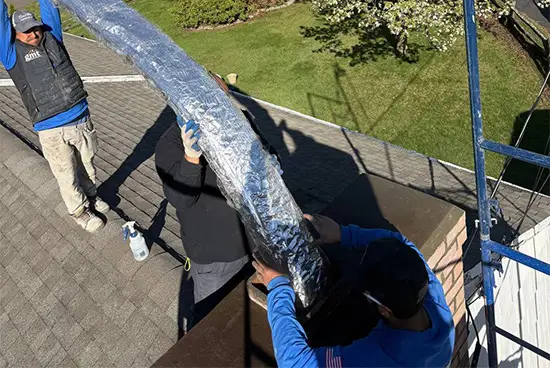
Every chimney in Shelton ages a little differently based on exposure, use, and construction. One thing remains consistent: most chimney problems are far easier to manage when they’re identified early. With over 12 years of experience, our CSIA (Chimney Safety Institute of America) and NFPA certified specialists provide inspections, repairs, cleaning, maintenance, and installation services rooted in steady, local knowledge—helping keep your home safe, warm, and dependable.

Service Areas
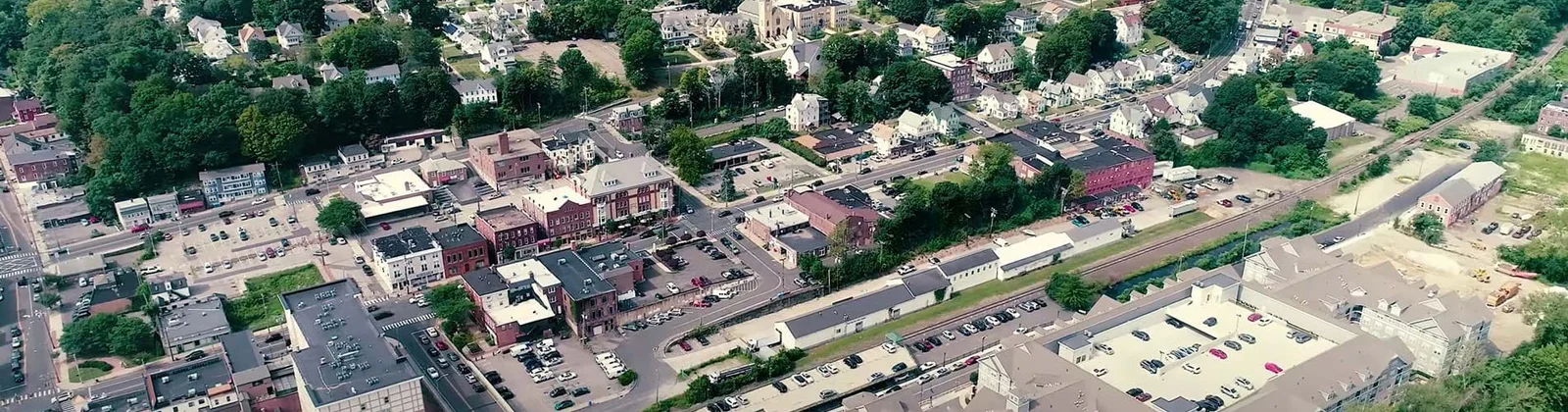
We provide services across multiple areas in the Connecticut, serving both residential and commercial customers. Please check our service area map or contact us to see if we cover your location.