Complete Chimney Services in Willimantic, CT — Inspection, Cleaning & Repair
Honest Feedback from Our Clients
EXCELLENTTrustindex verifies that the original source of the review is Google. We had a great experience with Joe and team. Very responsive and thorough - he provided a detailed estimate on all the work needed to be done (we needed a complete rebuild from roofline). The team did a great job and are clearly very good at what they do. They were in and out in two days and their quote was beyond reasonable. Highly recommend.Posted on GoogleTrustindex verifies that the original source of the review is Google. I had a great experience with GMT Chimney Services. They were extremely responsive and able to come out quickly when I needed help after a bird got stuck in my chimney (thankfully it was fine!). They cleaned my gas fireplace, removed bird nesting and debris from the chimney pipe, and installed a new cover to prevent future issues. The team was professional, neat, and made sure everything was cleaned up before they left. Overall, they were easy to work with and did a thorough job. I would definitely recommend them to anyone needing chimney or fireplace services.Posted on GoogleTrustindex verifies that the original source of the review is Google. Alex and Juan were so professional and kind and did the job in a timely manner!!!!Posted on GoogleTrustindex verifies that the original source of the review is Google. Juan and Alex did a phenomenal job servicing our chimney. Polite, professional and a darn good job! Spent extra hours on the job and made sure everything was working correctly! 5 stars!Posted on GoogleTrustindex verifies that the original source of the review is Google. Great experience!! Joe and Alex were awesome ... extremely nice, honest, and upfront about everything. The price was very fair, and they worked hard to make sure the job was done right. It’s refreshing to find a company that’s so kind, reliable, and affordable. Highly recommend!!Posted on GoogleTrustindex verifies that the original source of the review is Google. The staff at GMT are professional, well educated, dog friendly, flexible with scheduling and ensure priority to jobs that need it. They use USA made products sourcing from the local community, offering lifetime warranties on most of their products, while also still maintaining very reasonable pricing. Their customers safety and satisfaction are first and foremost and it shows throughout their whole team. Joe came out on a Sunday for my estimate and by Friday of the same week I had my chimney lining replaced, everything detailed cleaned, and a new cap installed.Posted on GoogleTrustindex verifies that the original source of the review is Google. Joe came to do an initial inspection for my fireplace/chimney and was very informative! I appreciate the time taken to explain the current state of my fireplace and recommendations!Posted on GoogleTrustindex verifies that the original source of the review is Google. After searching for a chimney sweep company that were available to diagnose and repair before the inclement weather arrived, was extremely difficult. But GMT were able to arrive that same night. GMT estimated and fixed my whole situation before the snow touched the ground. I had an emergency situation with a roof replacement I previously had with another company gone bad. CO leaking in and unable to stay in my home. GMT secured the work done the very next day. My family and I were able to come back home after one night out. They were professional and fast in freezing temperatures. Town inspection passed. Service you can count on. Definitely reliable and compassionate. Highly recommend.Posted on GoogleTrustindex verifies that the original source of the review is Google. Great experience overall. Joe and Alex were professional, responsive, and easy to work with. Everything was handled smoothly would definitely recommend.Posted on GoogleTrustindex verifies that the original source of the review is Google. Wonderful service. Even showed me how to start a better fire in my wood stove and checked everything to make me more comfortable. Highly recommend!
Chimney Inspection
What’s happening inside my chimney that I can’t see?
Many chimney problems in Willimantic begin out of sight. Creosote forms layer by layer. Mortar joints weaken behind brick faces. Liners shift slightly over time. None of this is visible from the firebox, yet all of it affects safety.
An inspection looks at the full system—flue condition, liner integrity, crown stability, flashing, damper operation, and masonry joints—before small changes turn into real concerns.
Near High Street, an inspection revealed early liner separation in an older chimney that still drafted well, allowing corrective work long before winter demand increased.
Inspections catch quiet issues before they become disruptive ones.
Chimney Repair
Why do older chimneys fail gradually instead of all at once?
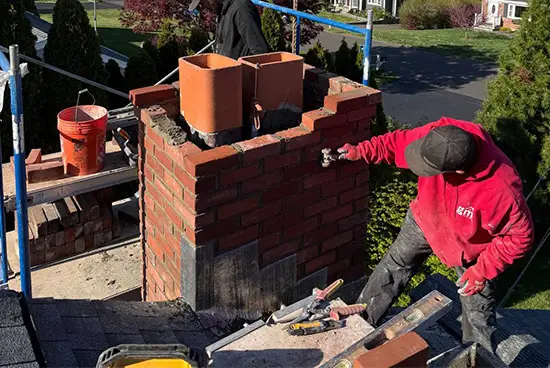
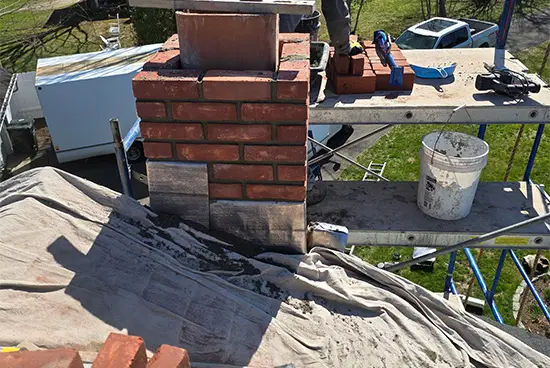
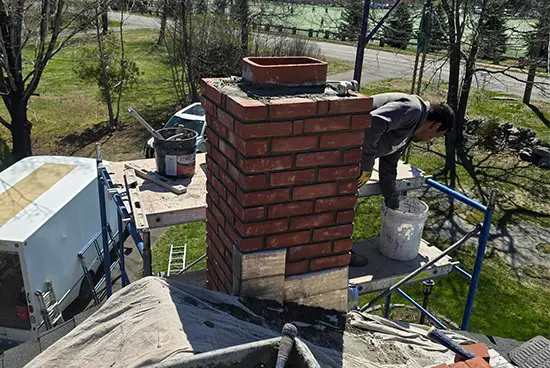
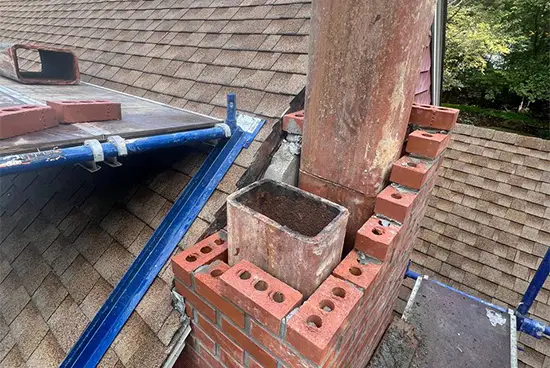
The answer lies in the subtle, cumulative effects of weather, time, and use. Each season’s freeze–thaw cycle and repeated exposure to moisture slowly break down mortar and brick, often starting in small, isolated sections.
Unlike sudden damage, these gradual changes are rarely visible from the outside, which is why periodic inspection and targeted repair are crucial for preserving the integrity of historic chimneys.
Attending to minor deterioration before it spreads ensures that these structures continue to serve safely and reliably, even as the years pass.
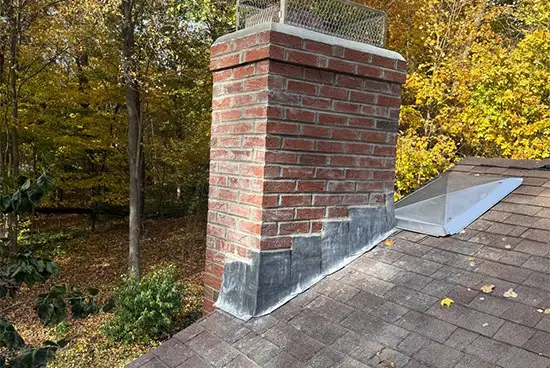
At a home near Jackson Street, targeted repair addressed deteriorating joints that were absorbing water, stabilizing the chimney without altering its original structure.
Focused repairs stop gradual wear from spreading.
Chimney Cleaning
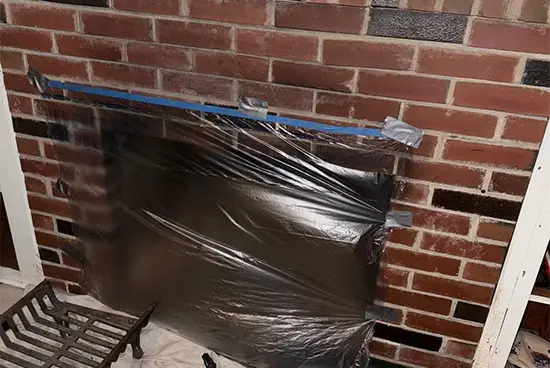
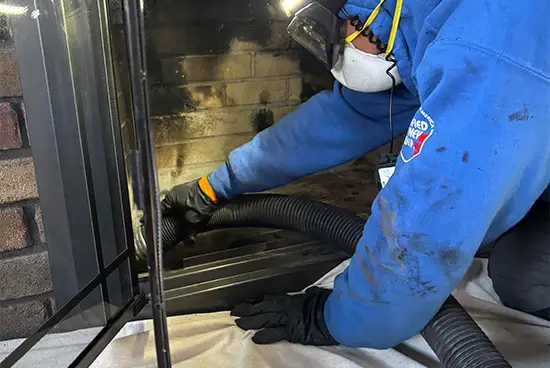
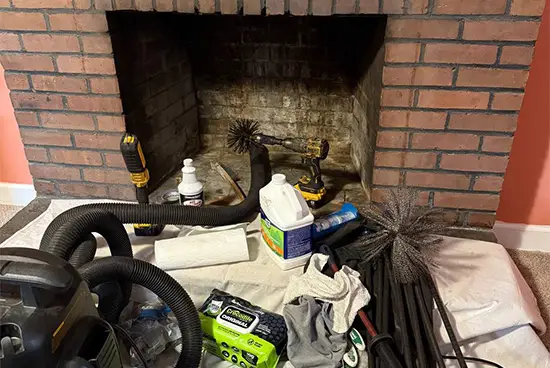
What builds up inside a chimney between fires?
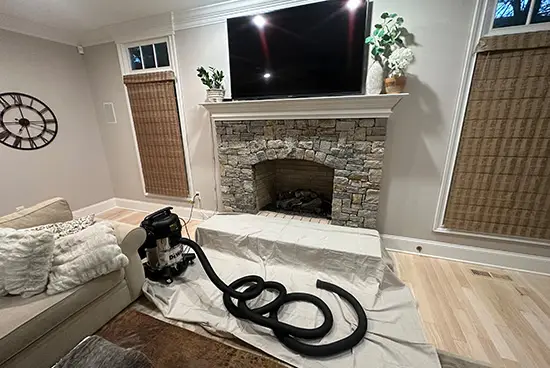
Between fires, chimneys quietly accumulate more than just obvious soot—fine creosote particles, flakes of ash, and environmental debris can settle along the flue walls, while moisture drawn in during damp weather may mix with these residues to form stubborn deposits that gradually restrict airflow and encourage further buildup with each use.
Even infrequent fires leave behind creosote, ash, and residue. When chimneys sit unused, moisture and debris can settle inside—especially in areas closer to the river.
On Valley Street, a cleaning removed years of creosote buildup that had narrowed the flue and weakened draft, restoring cleaner airflow and reducing smoke odors indoors.
Cleaning resets airflow and improves fireplace performance.
Chimney Maintenance
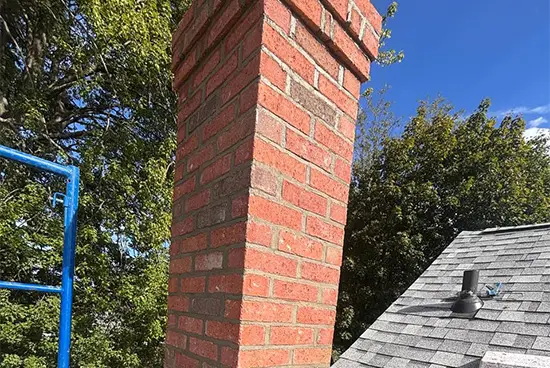
Why do some chimneys age well while others don’t?
Often, the answer lies in the consistency of maintenance—a chimney that receives regular attention, with inspections of caps, crowns, flashing, and seals, is far more likely to remain sound and functional over the years.
Small preventive measures make a significant difference, especially as seasonal changes and shifting weather challenge masonry and metalwork.
By catching minor wear early and addressing it promptly, homeowners protect their investment and avoid surprises, ensuring the chimney’s reliability and safety for every fire season.
Near Main Street, early crown wear was identified during routine maintenance and corrected before spring rains could introduce moisture into the masonry.
Maintenance preserves stability year after year.
Level 2 Chimney Inspection
When is a standard inspection no longer enough?
As circumstances evolve—such as after installing a new appliance, experiencing storm damage, planning a property sale, or suspecting a chimney fire—the need for a more thorough evaluation becomes clear.
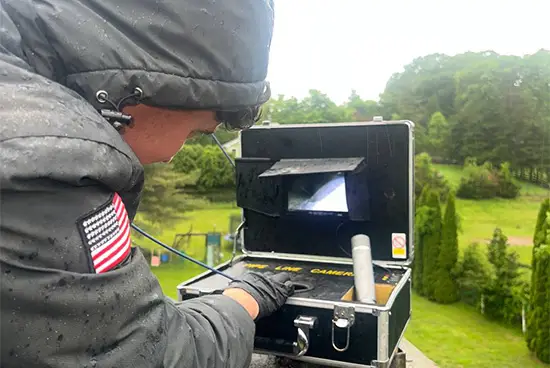
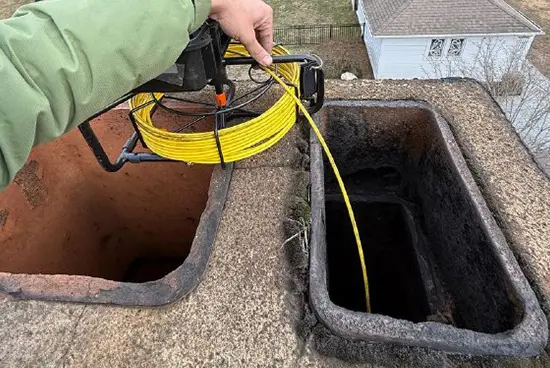
In these moments, a Level 2 inspection is essential, going beyond the basic visual checks to include internal camera scanning and careful assessment of concealed areas that may harbor hidden risks.
This deeper dive ensures any issues are identified before they can compromise safety or disrupt transitions, providing homeowners and buyers with confidence and peace of mind as they move forward.
Before a home sale near Pleasant Street, a Level 2 inspection using internal camera scanning uncovered a concealed flue obstruction that would not have been visible otherwise.
Level 2 inspections provide clarity during transitions.
Chimney Crack Repair
Why do small cracks worsen so quickly in winter?
When temperatures fall, any moisture that has seeped into even the tiniest fissures expands as it freezes, pushing the masonry apart with surprising force.
This repeated freeze–thaw cycle can rapidly turn hairline cracks into major structural concerns, making early intervention especially critical before colder months set in and allow minor flaws to snowball into far more extensive—and expensive—damage.
Because moisture finds every opening. Once water enters masonry and freezes, expansion accelerates damage.
At a home near North Street, early crack repair and crown sealing prevented ongoing freeze–thaw deterioration that would have required more extensive work later.
Early crack repair protects aging masonry from rapid decline.
Chimney Leak Repair
Why do chimney leaks feel hard to trace?
Chimney leaks often prove elusive because water travels along hidden paths inside the masonry, sometimes showing up far from its original entry point.
Instead of appearing directly beneath a damaged spot, moisture may migrate through cracks, joints, or seams, finally surfacing in unexpected locations within the home.
Careful inspection is required to isolate the real problem, as effective repairs depend on identifying not just where water appears but how it finds its way inside.
On Prospect Street, addressing flashing failure and crown sealing stopped recurring moisture staining that had persisted through multiple storms.
Accurate leak diagnosis prevents repeated damage.
Chimney Cap Installation
What problems does an uncapped chimney invite?
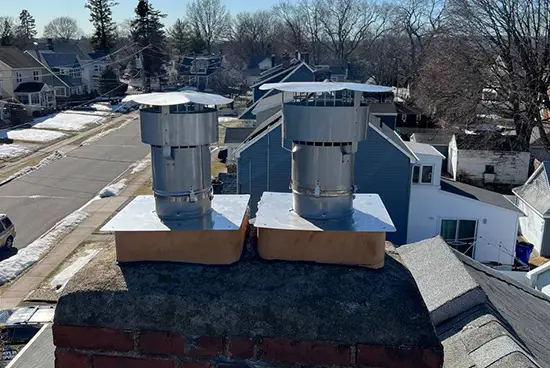
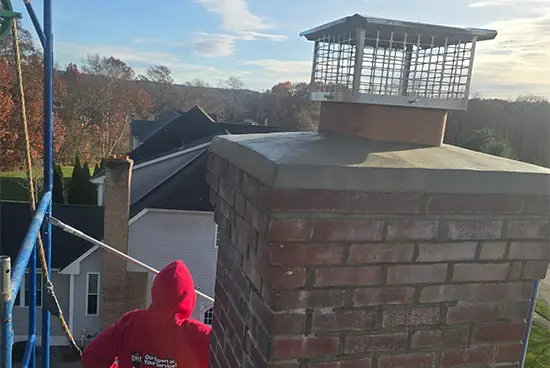
Without a chimney cap, your flue is left exposed to the elements and wildlife, making it vulnerable to rainwater infiltration, nesting animals, wind-driven debris, and downdrafts that carry moisture and cold air into your home.
This exposure not only accelerates masonry deterioration and blocks airflow but also shortens the lifespan of your chimney system—highlighting the importance of proper cap installation as the next step in comprehensive chimney care.
A home near the Willimantic River resolved persistent bird nesting and moisture issues after installing a properly sized stainless-steel chimney cap.
Chimney caps quietly prevent multiple issues at once.
Steady Chimney Care for Willimantic Homes
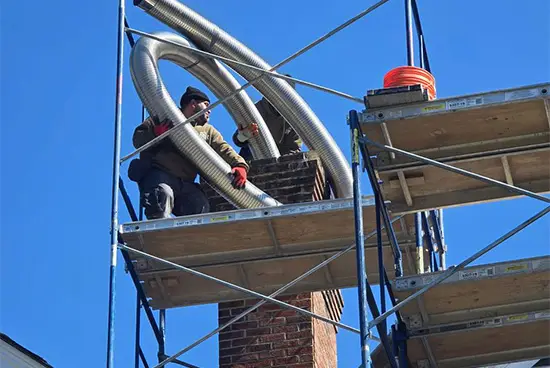
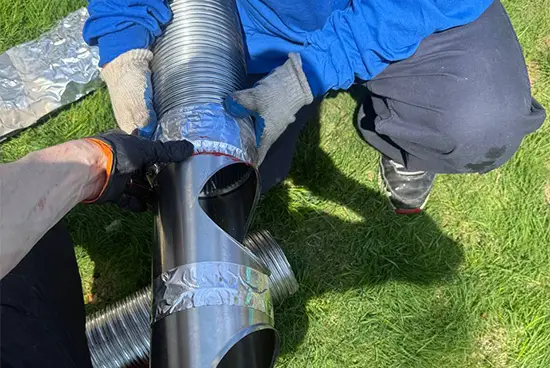
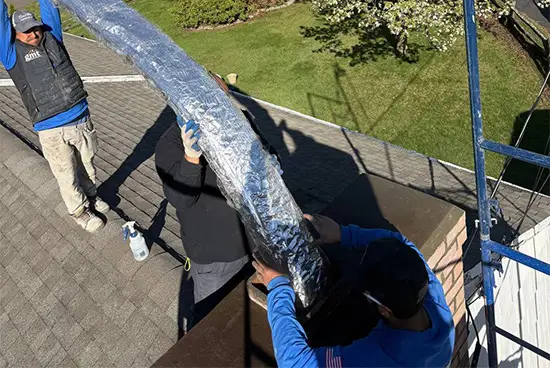
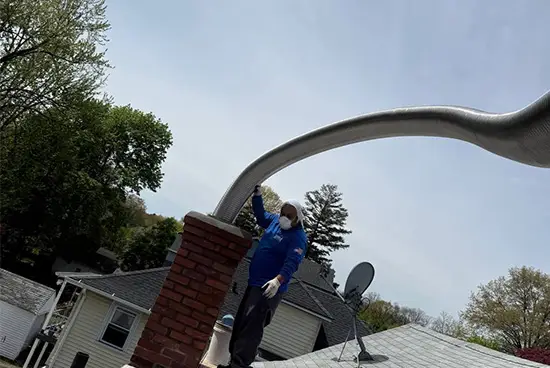
Most chimney problems don’t begin as emergencies—they develop gradually through weather exposure, age, and seasonal use. In Willimantic, where many homes rely on long-standing masonry systems, consistent, informed care makes all the difference. Backed by over 12 years of experience, our CSIA-certified professionals follow NFPA standards while providing inspections, repairs, cleaning, maintenance, and installation services—helping keep Willimantic homes safe, warm, and dependable through every Connecticut season.


Service Areas
We provide services across multiple areas in the Connecticut, serving both residential and commercial customers. Please check our service area map or contact us to see if we cover your location.