If you have a wood-burning fireplace, you know how much joy it brings to your home. But have you thought about how important regular chimney sweeping is to ensure safety and efficiency? Over time, chimney soot, creosote, and other debris can build up, posing serious fire hazards. That’s where a professional chimney sweep comes in. This essential service not only keeps your chimney clean but also helps prevent dangerous chimney fires.
Let’s dive into why chimney sweeping is necessary, the cleaning process, and why it’s vital to have your chimney professionally swept each year.
What Is Chimney Sweeping?
Chimney sweeping involves cleaning the chimney flue, which is the pathway through which smoke travels from your fireplace to the outside of your home. During the cleaning process, chimney brushes and other tools are used to remove soot, creosote, ash, and any blockages inside the chimney liner. This thorough cleaning ensures proper ventilation, allowing smoke to vent out and air to draw freely.
Why is Chimney Sweeping So Important?
One of the biggest risks of neglecting chimney sweeping is the buildup of creosote and soot. These substances are highly flammable and can cause dangerous fires if left untreated. In fact, chimney fires are a major hazard for homeowners with fireplaces. When creosote accumulates inside the chimney walls, it can eventually catch fire, sending flames up the chimney flue and potentially causing serious damage to your home.
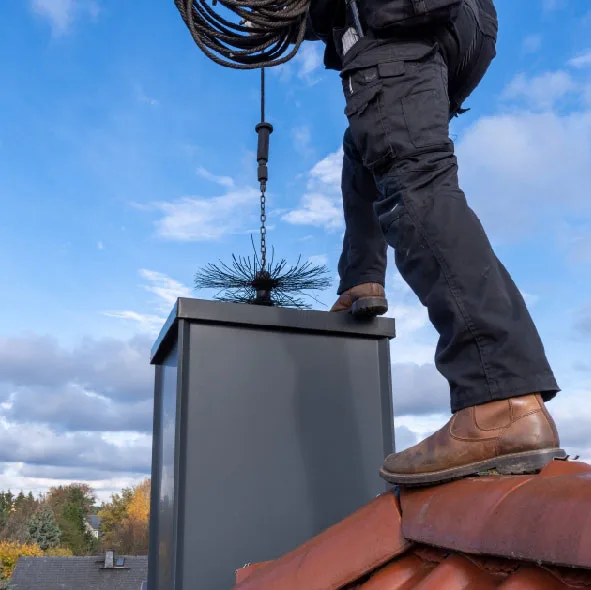
A professional chimney sweep has the tools and expertise to ensure your chimney is properly cleaned. They use a chimney brush with a brush head that scrubs the chimney liner, removing soot and creosote that could obstruct airflow. This helps prevent fires and keeps your chimney functioning efficiently, ensuring wood enables continued combustion in your fireplace.
What’s Involved in the Chimney Sweeping Process?
A professional chimney sweep will follow a detailed process to ensure your chimney is cleaned properly. Here’s a look at what happens during a standard sweep:
1. Inspection First: Before sweeping, the technician will conduct a thorough chimney inspection to check for cracks, obstructions, or damage in the chimney liner, mortar, and brick. Using a bright flashlight, they’ll also inspect the interior of the chimney for hazards or blockages.
2. Accessing the Chimney: If necessary, the professional may need to climb up to your roof using a ladder to access the chimney’s exterior. Proper access is essential to clean the full length of the chimney flue, ensuring that all areas are swept.
3. Sweeping the Chimney: The technician will use rods attached to a chimney brush to scrub the inside of the chimney, including the smoke shelf, where debris may accumulate. The brush is moved up and down to ensure all soot and creosote are removed. A vacuum is often used to capture the dust and debris during this process.
4. Cleaning the Firebox and Fireplace: The area around your fireplace, including the firebox, floor, and ash, will also be cleaned to remove any remaining soot or ash. This helps prevent dust from spreading through the house and ensures your fireplace is ready for the next use.
5. Final Inspection: After cleaning, a final inspection is conducted to ensure there are no remaining issues with the chimney liner, walls, or mortar. If any cracks or damage are found, repairs may be necessary to ensure your chimney is safe.
Common Chimney Issues to Watch For
Many homeowners don’t realize that their chimney is in need of cleaning until they notice issues such as:
- Slow ventilation or smoke entering the room instead of venting properly through the chimney.
- A smoky room when the fireplace is in use.
- Buildup of soot or a strong odor coming from the chimney.
- Cracks in the mortar or chimney liner that may let smoke or gases leak into your home.
- Regular chimney sweeping helps catch these issues early so they don’t become major hazards.
How Often Should You Sweep Your Chimney?
The Chimney Safety Institute recommends that chimneys be swept at least once a year, but some homes, especially those that use their fireplaces often, may need more frequent sweeps. Wood-burning fireplaces can accumulate more creosote and soot than gas or pellet stoves, so they require more frequent attention. If you notice any signs of poor ventilation or a smoky room, it’s a good idea to schedule a chimney inspection right away.
DIY Chimney Sweeping: Is It Safe?
While many homeowners may be tempted to clean their chimneys themselves, this is a job best left to professionals. Chimney sweeping requires the right tools and expertise to properly clean the chimney and ensure the safety of your home. Attempting to sweep your chimney yourself without the proper equipment and knowledge could cause damage or create safety risks. A professional chimney sweep will know how to navigate the chimney flue, avoid damaging the chimney liner, and ensure that the job is done safely and thoroughly.
FAQs
Q. How often should a chimney be swept?
Most experts recommend at least once a year, especially for wood-burning fireplaces. If you use your fireplace frequently, burn unseasoned wood, or notice smoke problems, you may need sweeping more often.
Q. Why is chimney sweeping necessary?
Chimney sweeping is necessary to prevent chimney fires, improve airflow, and protect your home from smoke and carbon monoxide exposure caused by blockages or creosote buildup.
Q. What does a chimney sweep clean?
A chimney sweep cleans:
- The chimney flue
- Chimney liner
- Smoke shelf
- Firebox and damper area
- Any soot, creosote, nests, or debris inside the chimney
Q. Is chimney sweeping only for wood-burning fireplaces?
No. While wood-burning fireplaces need sweeping most often, gas fireplaces, pellet stoves, and oil furnaces also require chimney cleaning and inspections.
Q. What happens if I don’t sweep my chimney regularly?
Without regular sweeping, creosote builds up and can lead to chimney fires, smoke entering your home, poor ventilation, and costly chimney damage.
Q. Can chimney sweeping extend the life of my chimney?
Yes. Removing corrosive soot and creosote helps protect the chimney liner, mortar, and masonry from long-term damage.
Q. Does chimney sweeping start with an inspection?
Yes. Chimney sweeping usually begins with a visual inspection to check for blockages, cracks, liner damage, or other safety issues before cleaning starts.
Q. Why does smoke sometimes come back into my room instead of going up the chimney?
This usually happens due to poor draft caused by creosote buildup, a blocked flue, cold air plugs, or chimney height issues. It’s one of the earliest warning signs that your chimney needs inspection or cleaning.
Q. Why does my chimney make noises like scratching, flapping, or banging?
Unusual noises usually indicate birds, squirrels, or debris inside the chimney. Animals can block airflow and create serious safety risks if not removed properly.
Q. When should I stop using my fireplace and call a professional?
Stop using your fireplace if you notice:
- Smoke entering the room
- Strong odors
- Falling debris
- Cracked masonry or liner damage
- Unusual chimney noises
These signs indicate potential safety hazards.
Q. Do I need to sweep my chimney every year if I don’t use it often?
Yes. Even rarely used chimneys can collect dust, animal nests, moisture, and blockages that affect airflow and safety.
Q. Does the type of wood I burn affect how often I should sweep?
Yes. Burning wet or unseasoned wood creates more creosote, which means your chimney may need sweeping more frequently.
Q. Can chimney sweeping increase my home’s value?
Yes. A well-maintained chimney system adds value and reassures buyers about the home’s safety.
Q. When should I schedule chimney sweeping to best protect my home?
The best time is before the heating season begins, but sweeping at any time of year helps keep your home safe.
Q. How do professional clean chimneys differently?
Professionals use:
- Commercial chimney brushes
- Flexible rod systems
- High-powered vacuums
- Inspection cameras
These tools ensure thorough and safe cleaning.
Q. What’s the safest option for chimney maintenance?
Scheduling regular professional chimney sweeping and inspections is the safest and most reliable way to protect your home.
Protect Your Home with Regular Chimney Sweeping
Chimney sweeping is an essential part of chimney maintenance that ensures your fireplace and chimney remain safe to use. Regular sweeping helps prevent chimney fires, ensures proper ventilation, and extends the life of your chimney system. Don’t wait until a dangerous situation arises—schedule a chimney inspection and sweep today to protect your home and family.
At GMT Home Services, we offer expert chimney cleaning and sweeping services that keep your home safe and your fireplace working efficiently. Our professional chimney sweeps use the latest tools and techniques to clean chimneys, inspect for hazards, and ensure their top condition.
Contact us today to ensure your chimney is properly swept and ready for safe, warm fires all year round!