
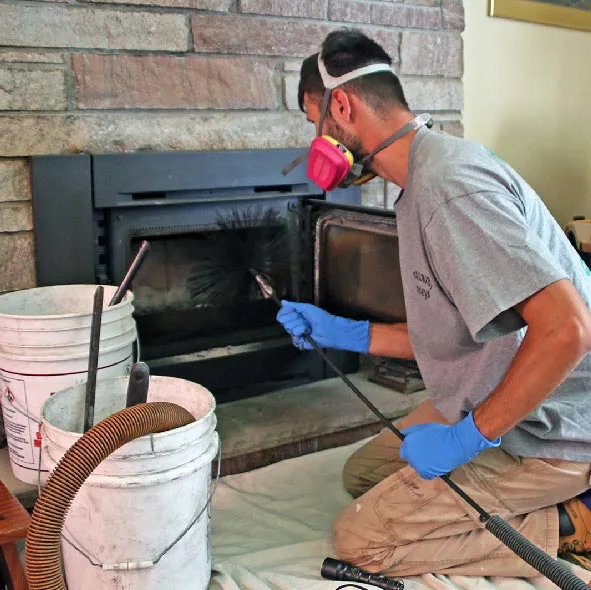
It would help if you read the whole thing to learn about the parts of a fireplace and heating system and how they all work together to provide warmth and safety.
Fireplaces have been in homes for centuries, providing warmth, character, and a place for families to gather. But have you ever wondered what makes up this cozy thing? From the firebox to the chimney cap, every bit is important to make your fireplace work safely and efficiently. In this post, we’ll break down the anatomy of a fireplace and explain how all the parts work together to handle smoke, heat, and more.
1. The Main Parts of a Fireplace
Firebox and Fireplace Opening
The firebox is the core of your fireplace, designed to withstand the extreme heat of fires. Made from heavy-duty brick, fire clay, or refractory mortar, it contains the flames and protects your home from the heat. The firebox opening directs warmth into the room, which is what makes fireplaces so cozy. Around it, the fireplace wall face and mantel provide structural support and style, and the fireplace blends into your home’s design.
The firebox must be designed to be durable, as it is in direct contact with the flames. If cracks or wear appear, they can compromise safety. Regular maintenance is key to keeping this important part in good condition.
Hearth and Hearth Extension
The hearth is more than just a decorative piece. It’s the base of your fireplace, built to withstand high temperatures and protect the floor and surrounding area. The inner hearth is under the firebox and collects ash and embers, while the outer hearth extends into the room and protects the floor.
A hearth extension is often required for extra safety, preventing nearby combustibles from catching fire. Stone, concrete, or brick are common materials used; they offer heat resistance and timeless style.
2. Chimney Structure: From Smoke to Safety
Chimney Flue and Flue Liner
The chimney flue is the hero behind the scenes of your fireplace. This vertical passageway carries smoke, gases, and harmful byproducts out of your home. To make it durable and efficient, flues are often lined with materials like clay or heavy-duty stainless steel. The clay flue liner adds an extra layer of protection, shielding the chimney structure from heat and corrosion.
A clean flue is key to preventing blockages, which can lead to smoke buildup or fires. Chimney professionals can inspect your flue regularly to catch issues before they become problems and keep your home and family safe.
Smoke Chamber and Smoke Shelf
The smoke chamber connects the firebox to the chimney flue and tapers upwards to direct the smoke smoothly. Its design minimizes turbulence, allowing gases to escape efficiently. Under the smoke chamber is the smoke shelf, a horizontal surface that catches falling debris and deflects downdrafts.
These parts work together to provide ventilation, which is key to preventing smoke from lingering in your house or living space. Although they are often overlooked, they are important for overall fireplace performance.
Chimney Cap and Crown
The concrete chimney cap and crown are the first line of defense against weather, debris, and animals at the very top of the chimney. The crown seals the top of the masonry chimney, while the cap provides extra protection and allows smoke to escape freely. Together, these parts protect the whole chimney cap from moisture, which can weaken its structure over time.
3. Functional Doors and Ash Management
Ash Dump Door and Ash Pit
Ash management is key to a clean and safe fireplace. The ash dump door, located at the base of the firebox, allows ashes to be dumped into the ash pit. This space under the fireplace collects burnt wood remnants, keeps the fireplace opening tidy, and reduces the risk of ash-related hazards.
Clean Out Door
The clean-out door, located at the base of the wood chimney structure, allows homeowners or professionals to access the ash pit for deeper cleaning. This feature ensures that the less visible parts of your fireplace are in good condition.
4. Safety and Structural Support
Fireplace Damper and Chimney Damper
The damper, whether in the fireplace or at the top of the fireplace leading to the chimney, controls the airflow. When closed, it prevents cold air from entering your home and keeps the warmth in. A working damper also saves energy by sealing off the chimney when the fireplace is not in use.
Lintel and Surround
The lintel, a metal door or heavy-duty brick beam, supports the weight of the roof and the chimney above the firebox opening. This small but important part ensures structural integrity. The surround adds a decorative touch, frames the fireplace and makes it look better.
5. Types of Fireplaces and Their Parts
Masonry Fireplaces
- Built with heavy-duty brick, stone, or concrete
- It has a traditional chimney flue, smoke chamber, and fireplace firebox made from fire clay or refractory mortar.
- Known for durability and classic look but requires maintenance
- Has ash dump doors and hearth extensions for ash management and heat protection
Modern Fireplaces
- It has glass doors for safety and metal doors for looks
- Has fireplace flues for better ventilation and air quality
- May have chimney dampers for better airflow control
- It has hearth extensions and surrounds for a modern look
Gas Fireplaces
- Don’t need traditional chimneys; use vent-free or direct venting systems
- It has metal doors and a simple firebox
- It has fireplace dampers for airflow control and glass panels for viewing the flames
- Minimal ash and soot buildup, less maintenance needed
6. Modern Fireplace Features
Fireplaces have evolved to include features like glass doors, which prevent sparks and embers from escaping and improve energy efficiency. Modern fire top designs often have advanced ventilation systems and stylish materials, so fireplaces are not only functional but also a focal point of modern homes.
7. Maintenance Tips from Chimney Experts
Regular maintenance will prolong the life of your fireplace and chimney. Here’s what to do:
- Schedule annual inspections with chimney professionals to check all parts from the chimney crown to the ash dump.
- Clean the fireplace face, inner hearth, and outer and inner hearth regularly to remove soot and debris.
- Check the fireplace damper, flue liner, and chimney cap after heavy use or storms.
- Proactive maintenance will save you from costly repairs and keep your fireplace safe and efficient.
Conclusion
Every part of your fireplace, from the firebox to the chimney flue, plays a role in its function and safety. Knowing the anatomy of a fireplace lets you enjoy the heat of your fire while keeping your home safe and efficient. If you need professional maintenance or guidance, call GMT Home Services today.
FAQs
Q. What are the parts of a fireplace called?
Parts of a fireplace are Firebox, hearth, mantel, chimney, chimney flue, smoke chamber, smoke shelf, damper, ash pit, ash dump, clean-out door, chimney cap, and chimney crown.
Q. What does a damper look like in a fireplace?
A damper is a metal plate that opens or closes to control the airflow in the chimney. It’s often located just above the firebox or at the top of the chimney.
Q. What are the panels inside a fireplace called?
Fireplace liners or refractory panels, made of fire-resistant materials like fire clay, brick, or cast iron, are panels inside a fireplace.
Q. What is the metal box in a fireplace?
Metal box in a fireplace: A fireplace insert is a metal box that fits into an existing fireplace to improve heat and safety.
Q. What is the firebox and why is it important?
The firebox is where the fire burns. It is built from fire-resistant materials to contain high heat and protect surrounding walls. Cracks or damage can be dangerous and should be repaired immediately.
Q. What does the hearth do?
The hearth protects your floor from heat, sparks, and embers. The hearth extension adds extra safety by keeping combustible materials away from the fire.
Q. Why is a flue liner necessary?
A flue liner protects the chimney walls from heat and corrosion and improves draft efficiency. Damaged or missing liners can increase fire risk.
Q. Why is the fireplace opening important?
The fireplace opening allows heat to radiate into the room and provides access for loading wood or operating the fireplace. Its size and design affect heat output and airflow.
Q. What materials are fireboxes made of?
Most fireboxes are made from firebrick, refractory panels, or heavy-duty masonry materials designed to withstand extreme heat and prevent fire spread.
Q. How can I tell if my firebox needs repair?
Signs include visible cracks, crumbling mortar, loose bricks, or excessive smoke in the room. Any of these issues require professional inspection.
Q. What materials are used for hearths and hearth extensions?
Common materials include stone, brick, concrete, tile, and slate. These materials are heat-resistant, durable, and visually appealing.
Q. Are hearths only for wood-burning fireplaces?
No. Hearths are common for wood-burning fireplaces but may also be required for certain gas or decorative fireplaces, depending on design and code requirements.
Q. What’s the difference between inner and outer hearths?
The inner hearth sits directly under the firebox, while the outer hearth (hearth extension) projects into the room for added safety.
Q. How can I tell if my flue liner is damaged?
Signs include poor draft, smoke backing up into the home, strong odors, visible cracks, or excessive creosote buildup. A professional inspection is the best way to know for sure.
Q. How often should the chimney flue be cleaned?
The flue should be inspected and cleaned at least once a year, or more often if the fireplace is used frequently.
Q. Do gas and wood fireplaces use the same flue liner?
No. Gas and wood-burning appliances require different liner materials and sizes to handle different temperatures and exhaust gases.
Q. How long does a chimney flue liner last?
Clay liners can last decades with proper care, while stainless steel liners often last 15–25 years depending on use and maintenance.
Q. Why are the smoke chamber and smoke shelf important?
They work together to control airflow, improve draft, and prevent smoke from entering your home. Without them, fireplaces can smoke excessively.
Q. Does the smoke chamber need cleaning?
Yes. Creosote and soot can build up in the smoke chamber, restricting airflow and increasing fire risk. It should be cleaned during chimney service.
Q. How often should the smoke chamber be inspected?
The smoke chamber should be inspected annually as part of a professional chimney inspection.
Q. Why are chimney caps important?
Chimney caps prevent water, animals, and debris from entering your chimney. They also reduce downdrafts and protect your chimney from moisture damage that can weaken masonry.
Q. How often should chimney caps and crowns be inspected?
At least once a year, preferably during the annual chimney inspection, and after severe weather events.
Q. How often should dampers be inspected?
Dampers should be inspected at least once a year during your annual chimney inspection, or sooner if you notice smoke issues or airflow problems.
Q. What are the main parts of a masonry fireplace?
The main parts include:
- Firebox (where the fire burns)
- Chimney flue (vents smoke and gases)
- Smoke chamber and smoke shelf
- Hearth and hearth extension
- Ash dump door and ash pit
- Damper (fireplace or chimney)
- Chimney crown and cap
Q. What maintenance should I do for the firebox?
Remove ashes regularly, check for cracks in the firebrick, inspect mortar joints, and ensure the damper opens and closes properly.
Q. What is the most common maintenance mistake homeowners make?
Neglecting annual inspections, ignoring minor cracks, not cleaning creosote buildup, or leaving dampers and caps damaged—these can lead to costly repairs or safety hazards.