
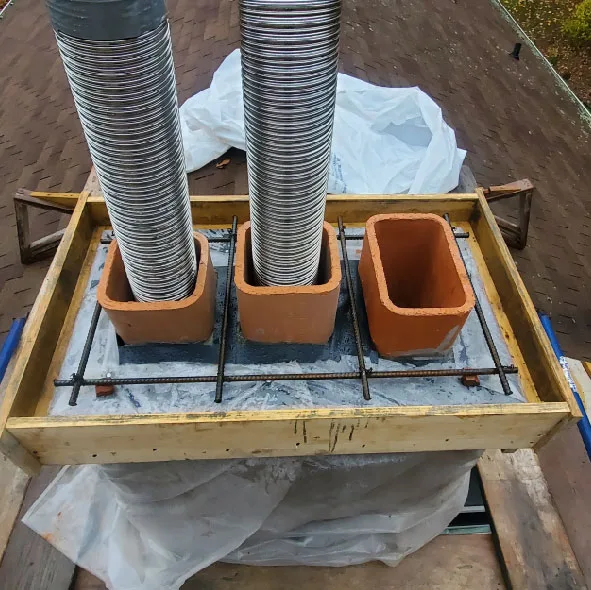
A properly functioning chimney liner is vital for safety, efficiency, and protecting your home from fire hazards. But how long do chimney liners last, and when should you replace your chimney liner? Understanding the different types of chimney liners and their expected lifespans can help you plan for maintenance and avoid costly repairs.
Understanding Chimney Liner Function and Types
A chimney liner, also known as a flue lining, is a protective barrier inside the chimney walls that directs combustion gases safely outside. Unlined chimneys can pose serious risks, allowing heat and toxic gases like carbon monoxide to seep into your home. That’s why having a high-quality liner installed is essential.
There are three main types of chimney liners:
- Clay tile liners – Common in older homes, clay tile chimney liners are durable but prone to cracking under extreme heat and weather conditions.
- Cast-in-place liners – These are lightweight cement-based flue liners that provide a seamless and insulated interior.
- Stainless steel flue liners – Considered the best option for durability and longevity, stainless steel liners work well with both wood-burning fireplaces and modern heating appliances.
The type of chimney liner you have significantly impacts its lifespan and maintenance needs.
Factors Affecting Chimney Liner Lifespan
The lifespan of a chimney liner varies depending on several factors:
- Type of chimney liner – Stainless steel liners last 15-25 years, while clay tile liners may need replacement after 5-15 years. Cast-in-place liners typically last 20-30 years.
- Usage frequency – A wood-burning fireplace or stove creates more creosote buildup, leading to faster deterioration.
- Maintenance and inspections—An annual chimney inspection by a chimney professional can detect early signs of wear.
- Weather exposure – Harsh climates can weaken liners, causing them to crack or corrode over time.
- Cheapest chimney liners – especially poorly installed clay liners, may require frequent repairs or an entire liner replacement in as little as five years. Regular maintenance can extend the lifespan of your liner and prevent house fires.
Signs That You Need a Chimney Liner Replacement
Recognizing the signs of a failing liner is crucial to preventing chimney fires and structural damage. Here are some key warning signs:
- Cracks or flakes in clay tile liners
- Excessive creosote buildup
- Smoke leakage into your home
- Carbon monoxide detection near the fireplace
- Damaged or missing sections of metal chimney liners
If you notice any of these issues, schedule a chimney inspection immediately. A damaged liner increases the risk of carbon monoxide poisoning and fire hazards, making chimney liner replacement a priority.
How to Replace Your Chimney Liner
If your liner is beyond repair, replacing it with a stainless steel liner is often the best choice. Here’s how the process works:
1. Chimney inspected – A chimney professional will assess the condition of your liner.
2. Choosing the right liner—Stainless steel flue liners are the most durable option, but depending on your chimney’s structure, cast-in-place or clay liners may be recommended.
3. Liner installed – The old liner is removed, and a new one is carefully fitted to ensure proper ventilation and safety.
4. Final safety check – After installation, an inspection ensures compliance with safety standards.
An entire liner replacement can be a cost-effective way to extend the life of your chimney system and improve heating efficiency.
Extending the Lifespan of Your Chimney Liner
Preventative maintenance is key to getting the most out of your liner. Follow these tips:
- Schedule an annual chimney inspection to detect early damage.
- Use proper fuel – Dry, seasoned wood reduces creosote buildup in wood-burning fireplaces.
- Install a chimney cap to prevent water damage and debris buildup.
- Avoid excessive heat that can weaken clay liners.
- By taking these precautions, you can extend your liner’s lifespan and prevent costly repairs.
FAQs
Q. How often should you replace a chimney liner?
The lifespan of a chimney liner varies by type. Clay tile liners last 15-30 years, stainless steel flue liners can last 20-50 years, and cast-in-place liners last 30-50 years. Regular chimney inspections help determine when replacement is needed.
Q. How do I know if my chimney needs a new liner?
Signs include cracks in the liner, flaking clay tiles, creosote buildup, smoke leakage, poor draft, or carbon monoxide leaks. A chimney professional can confirm if a chimney liner replacement is necessary.
Q. What is the average cost of replacing a chimney liner?
Clay tile liners cost $2,500–$7,000, stainless steel liners range from $900–$4,000, and cast-in-place liners cost $5,000–$7,000. Prices vary based on liner type, chimney size, and labor costs.
Q. Are chimney liners worth it?
Yes! A chimney liner protects the chimney walls, prevents house fires, reduces carbon monoxide risks, and improves heating appliance efficiency. Investing in a quality liner ensures long-term safety and performance.
Q. How long does a chimney liner last?
The lifespan depends on the type of liner:
- Clay tile liners: 5–15 years
- Stainless steel liners: 15–25 years
- Cast-in-place liners: 20–30 years
Usage, maintenance, and weather conditions can shorten or extend this lifespan.
Q. What causes chimney liners to wear out?
Common causes include:
- Heat from frequent fires
- Creosote buildup
- Moisture and water damage
- Poor installation
- Lack of regular inspections
Q. What are the main types of chimney liners?
The three most common types are:
- Clay tile liners
- Cast-in-place liners
- Stainless steel liners
Each type offers different durability, cost, and performance benefits.
Q. Which type of chimney liner lasts the longest?
Cast-in-place liners and stainless-steel liners typically last the longest, often 20–30 years with proper maintenance.
Q. Which chimney liner is best for older homes?
Stainless steel liners are often the best choice for older homes because they can be installed inside existing chimneys and improve safety and efficiency.
Q. Are stainless steel chimney liners required by code?
In many cases, yes—especially when upgrading or replacing heating appliances. Local building codes often require lined chimneys.
Q. Do all chimneys need liners?
Yes. All chimneys that vent combustion appliances or fireplaces should have a properly installed liner for safety and code compliance.
Q. How often should chimney liners be inspected?
Chimney liners should be inspected once a year as part of routine chimney maintenance.
Q. How long does a chimney liner usually last?
It depends on the type of liner:
- Clay tile liners: 5–15 years
- Stainless steel liners: 15–25 years
- Cast-in-place liners: 20–30 years
Usage, maintenance, and weather conditions can change this.
Q. Does maintenance affect how long a liner lasts?
Absolutely. Annual inspections and chimney cleaning help detect damage early and extend the life of your liner.
Q. Does the age of my home affect liner lifespan?
Yes. Older homes often have clay tile liners, which are less durable than modern stainless-steel liners and may need replacement sooner.
Q. How do I know if my chimney liner needs to be replaced?
You may need a replacement if you notice cracks, missing sections, corrosion, smoke leakage into your home, or excessive creosote buildup.
Q. What are the visual signs of a failing liner?
Look for:
- Cracked or flaking clay tiles
- Rusted or corroded metal liners
- Missing liner sections
- Loose or detached liners
Q. Can a damaged liner cause a chimney fire?
Yes. Heat and sparks escaping through cracks or gaps in a liner can ignite surrounding masonry or nearby structures.
Q. How much does it cost to replace a chimney liner?
Costs vary depending on liner type, chimney size, and labor. Stainless steel liners are generally more expensive upfront but offer longer lifespan and durability.
Q. How can I make my chimney liner last longer?
You can extend its lifespan by scheduling annual inspections, keeping it clean, using proper fuel, installing a chimney cap, and avoiding excessive heat.
Q. Does the type of fuel I use affect liner lifespan?
Yes. Using dry, seasoned wood reduces creosote buildup, while burning wet wood, coal, or unapproved fuels can damage the liner faster.
Final Thoughts
Understanding how long chimney liners last and recognizing signs of wear can help homeowners stay proactive in chimney maintenance. Whether you have a clay tile, cast-in-place, or stainless steel liner, regular inspections and timely replacements are essential to protecting your home from fire risks and carbon monoxide exposure.
If you suspect damage to your chimney liner or need a professional inspection, contact GMT Home Services today. Our chimney professionals will ensure your chimney is safe, efficient, and built to last!